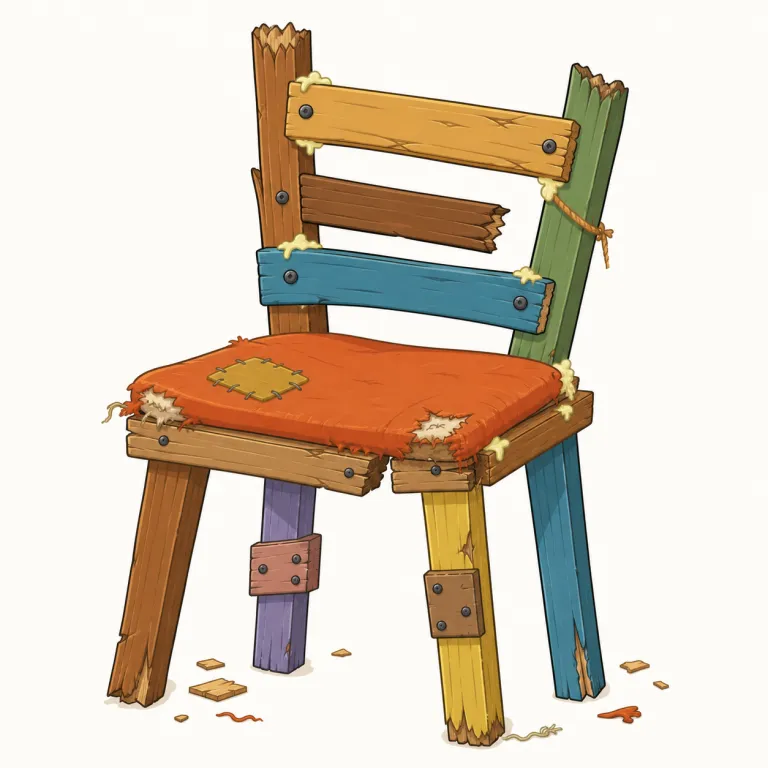
shoddy
shoddy は英検1級レベルの英単語で、「粗末な」という意味があります。発音記号は /ˈʃɑːdi/ です。
粗末な
解説 Definition
粗悪で手抜き感があり、耐久性や仕上がりに問題がある状態を指す。見た目や使い勝手が貧弱で、丁寧な仕事とは言えない製品や工事によく使われる。人や態度にも使われ、いい加減さや不誠実さを表すこともある。
Shoddy means badly made, low in quality, or careless in workmanship. It is often used for products, work, or behavior that looks cheap or does not meet proper standards.
覚え方のコツ Memory Tip
shoddy は「安い」より「質が悪い・雑で長持ちしない」に焦点を置くと覚えやすい語です。まず shoddy workmanship(手抜き工事), shoddy goods(粗悪品), shoddy journalism(いい加減な報道)をセットで覚えると定着します。見た目がみすぼらしい shabby と違い、shoddy は“出来そのものが悪い”のが中心。sloppy が「だらしない雑さ」なら、shoddy は製品・仕事・対応の品質不良。物にも行為にも使える語です。
Remember `shoddy` as a quality word, not a price word. Something can be cheap but fine, but `shoddy` means badly made or carelessly done. Link it with common pairs like `shoddy workmanship` or `shoddy goods`.
例文
The contractor used shoddy materials, so the balcony started to sag within a year.
その施工業者は粗悪な材料を使ったので、バルコニーは一年足らずでたわみ始めた。
Customers returned the shoddy jacket because the stitching came undone.
縫い目がほつれたため、客はその粗悪なジャケットを返品した。
She refused to accept shoddy work and insisted on a proper repair.
彼女は杜撰な仕事を受け入れず、きちんとした修理を要求した。
shoddy の類義語・関連語
shoddy の語源・成り立ち Etymology
19世紀英語で、もとは「古布や毛くずをほぐして作る再生毛織物」の名だった。語源ははっきりしないが、Yorkshire方言や shed(落とす・抜ける)に結びつける説があり、見かけだけ整ってすぐ傷む布から「粗末な」の意味になった。関連語は shed、shoddiness。
Shoddy appeared in 19th-century English and first meant a cheap cloth made from recycled wool or old rags. Its exact origin is uncertain, but some link it to Yorkshire dialect or to shed, with the idea of loose or fallen material. Because this cloth looked fine at first but wore out quickly, the word later came to mean poor in quality. A related form is shoddiness.
同じレベルの語彙をもっと
英検1級の一覧へ →外部辞書で調べる
この英単語をクイズで覚えよう