表面の膨れ、気泡
noun 名詞塗装、プラスチック、金属などの表面に、熱や湿気、接着不良などによって生じる小さな膨らみを指します。皮膚の水疱に似た外見からそう呼ばれ、製品や被膜の欠陥を説明する場面で使われます。
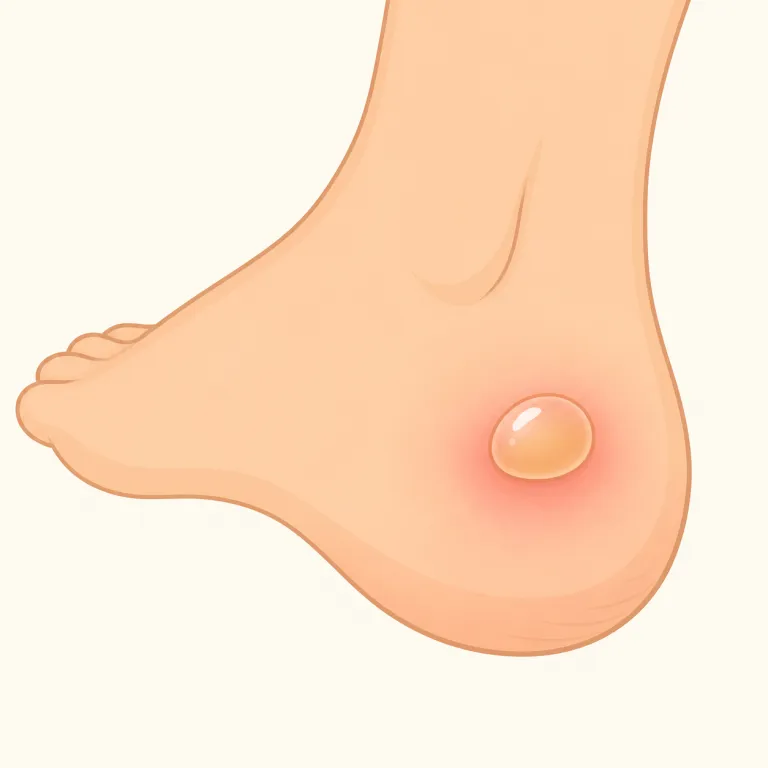
blister は英検1級レベルの英単語で、「水疱」という意味があります。発音記号は /ˈblɪstɚ/ です。
皮膚が液体で満たされた小さな隆起を指します。摩擦ややけどなどの刺激によってできることが多いです。水ぶくれとも呼ばれ、痛みや不快感を伴うことがあります。
A blister is a small bubble on the skin filled with liquid, usually caused by rubbing, heat, or a burn. It can be painful or uncomfortable, especially on the hands or feet. The word is mainly used in health and everyday physical situations.
blister は、まず「靴ずれでできる水ぶくれ」「やけどでできる水ぶくれ」という定番場面とセットで覚えるのが近道。skin, burn, rub と一緒に出やすく、a blister on your heel の形も頻出。見た目は皮膚の表面にできる小さな bubble のようなもの、と結び付けると定着しやすい。似た語の bubble は一般に泡、blister は特に皮膚のふくらみ。動詞で「水ぶくれができる/できさせる」にもなるので、名詞だけで固定しない。
Fix it in your mind with a common scene: new shoes rubbing your heel, or a burn on the skin. A `blister` is the small raised bubble that appears there. It helps to connect it with `rub`, `burn`, and `heel`, because those words often appear together.
He developed a blister on his heel from the new shoes.
彼は新しい靴でかかとに水ぶくれができました。
The blister burst and caused her pain.
その水ぶくれが破れて、彼女は痛みを感じました。
Blisters often form after prolonged walking or running.
長時間歩いたり走ったりした後、水ぶくれができることがよくあります。
文脈によって、次の意味でも使われます。
塗装、プラスチック、金属などの表面に、熱や湿気、接着不良などによって生じる小さな膨らみを指します。皮膚の水疱に似た外見からそう呼ばれ、製品や被膜の欠陥を説明する場面で使われます。
blister は古英語 blæster に由来し、さらに印欧語根 *bhle-「ふくらむ・吹く」にさかのぼるとされる。接辞より語幹そのものが中心で、皮膚が吹き上がるようにぷくりと膨れる像が、そのまま「水疱」の意味を支えている。関連語は blast, blow。
Blister comes from Old English blǣster and is connected to an Indo-European root meaning "to blow" or "to swell." The image behind it is something puffing up or rising like air under the skin. That physical idea stayed central as the word came to mean a swollen bubble on the skin. It is related to blast and blow.
この英単語をクイズで覚えよう