blast
blast は英検2級・TOEIC 860・TOEFL 80・IELTS 6.5レベルの英単語で、「爆破する、楽しい時間、酷評する」という意味があります。発音記号は /blæst/ です。
意味一覧 (3件)
爆破する
解説 Definition
爆発物や強い爆発の力で、岩・壁・建物などを壊したり吹き飛ばしたりすることを表します。工事・採掘・解体などで、障害物を爆破して取り除く場面にも使われます。
To blast means to destroy or break something with an explosion or great force. It can also mean to send out something very strongly, such as loud sound, heat, air, or light.
覚え方のコツ Memory Tip
blast はまず「強い風圧や衝撃が一気に来る」感触で覚えると残りやすい語。destroy が広く「壊す」、demolish が建物を取り壊すのに対し、blast は爆薬や爆発の力で吹き飛ばすのが中心です。blast a wall, blast a tunnel, blast rocks のように、工事・破壊・採掘の文脈で出やすい形も一緒に覚えると定着しやすいです。
Think of `blast` as force that blows outward very strongly. It is often used with things like `blast rocks`, `blast a tunnel`, or `blast a wall`, so connect it with explosions and heavy force. Be careful: with music, `blast` means play very loudly, so context matters.
例文
They blast the big rock.
彼らは大きな岩を爆破します。
We blast the old wall.
私たちは古い壁を爆破します。
Workers blast a small hole.
作業員たちは爆破して小さな穴を開けます。
楽しい時間
(意味 2)
解説 Definition
くだけた口語で、非常に楽しくて盛り上がる時間や体験を指します。特に have a blast の形で「すごく楽しむ」という意味でよく使われ、遊びや旅行、イベントの感想で自然に現れます。
An extremely enjoyable and exciting time or experience. This informal noun is often used when describing how much someone enjoyed a trip, party, or other activity.
覚え方のコツ Memory Tip
blast は「爆発」だけでなく、感情が一気に弾けるような楽しい時間としても覚えると残りやすい語です。have a blast は、ただ fun だったというより、場が盛り上がって「最高に楽しかった」というくだけた言い方。blast a wall のように物を吹き飛ばす用法とは切り分けて、人がイベントや旅行を振り返って We had a blast. と言えば、爆破ではなく「思いきり楽しんだ」と考えると混同しにくくなります。
Imagine your excitement bursting out during a wonderful experience. Remember "have a blast" as a casual way to say you enjoyed yourself enormously.
例文
We had a blast at the beach.
私たちは海でとても楽しい時間を過ごした。
Have a blast at the concert tonight.
今夜のコンサートを思いきり楽しんでね。
The kids had a blast in the snow.
子どもたちは雪遊びを思いきり楽しみました。
酷評する
(意味 3)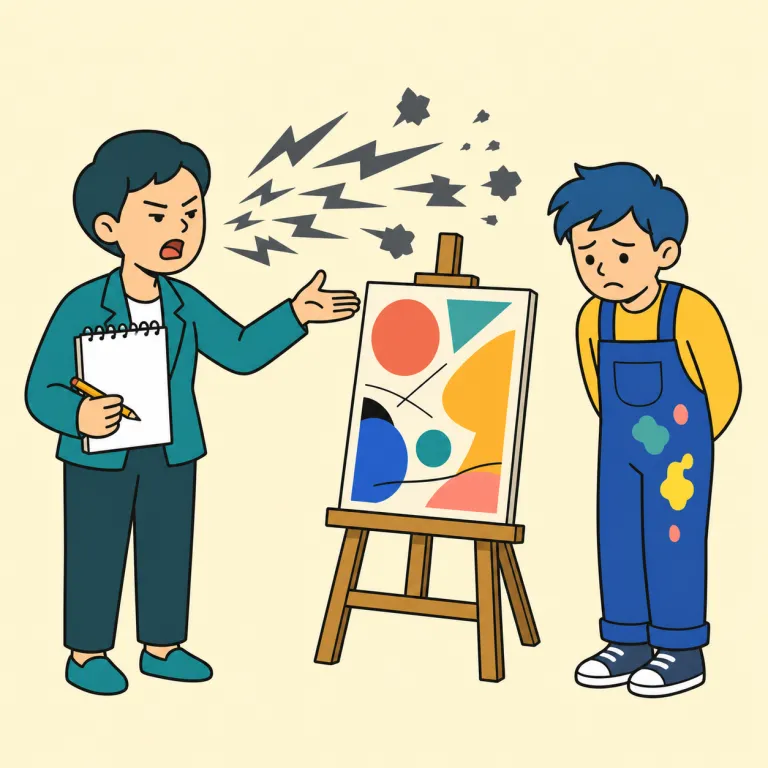
解説 Definition
人や作品、政策などを強い調子で厳しく非難することです。新聞報道や評論、怒りをこめた発言で使われやすく、単なる批判よりも語気が強く、公然とたたく響きがあります。
To criticize a person, work, or policy very severely, often in public. It suggests forceful, angry disapproval and is common in news reports and reviews.
覚え方のコツ Memory Tip
blast は「爆発の勢いでぶつける」感触を、言葉に向けると覚えやすい語です。criticize が広く「批判する」なら、blast は相手や作品を公の場で強い語気でたたく感じ。Critics blasted the movie. なら映画を爆破するのではなく、批評家が厳しい言葉を浴びせたということです。blast a tunnel のような物理的な爆破、blast music の爆音とは、目的語が人・政策・作品なら「酷評する」と切り分けると定着します。
Imagine harsh words hitting their target with explosive force. In "blast a policy" or "blast a movie," the force comes from severe criticism.
例文
Critics blasted the movie for its weak ending.
批評家たちは結末が弱いとしてその映画を酷評した。
Fans blasted the movie as boring.
ファンはその映画を退屈だと酷評した。
Many people blasted her song as terrible.
多くの人が彼女の歌をひどいと酷評した。
blast の類義語・関連語
対義語
派生語
blast を含む表現
句動詞・イディオムなど 3 件。クリックで各表現の詳細へ。
blast の語源・成り立ち Etymology
blast は古英語 blæstan「吹く・吹きつける」から来た語で、さらにゲルマン祖語を経て印欧語根 *bhle-「吹く」にさかのぼる。もとは風や息の強いひと吹きで、そこから『吹き飛ばす』『爆破する』へ発展した。関連語は blow, blasted。
From Old English blæstan, meaning "to blow" or "blow strongly," from an older Germanic root. It goes back to an Indo-European root meaning "to blow." At first it referred to a strong gust of wind or breath, then it developed into ideas like "blow apart" and "explode." Related words include blow and blasted.
同じレベルの語彙をもっと
英検2級の一覧へ →外部辞書で調べる
この英単語をクイズで覚えよう