slam
slam は英検準1級・TOEIC 860・TOEFL 80・IELTS 6.5レベルの英単語で、「勢いよく閉める、叩きつける、酷評する」という意味があります。発音記号は /slæm/ です。
意味一覧 (3件)
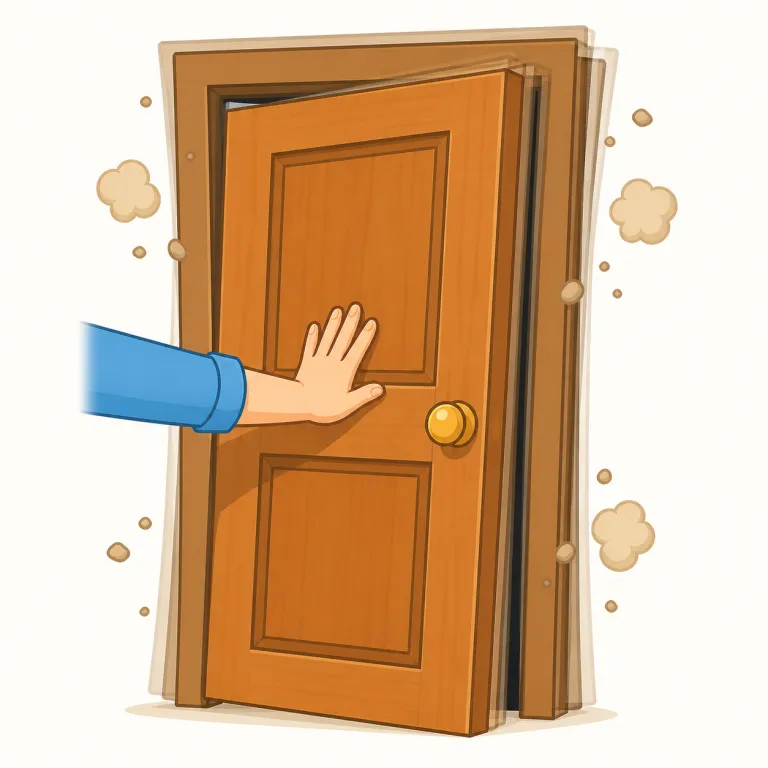
勢いよく閉める
解説 Definition
ドアや窓、ふたなどを強い勢いで閉めて、大きな音を立てることを表します。怒りやいら立ち、あわただしさが感じられる場面でよく使われ、単に閉めるより荒っぽい響きがあります。
To close a door, window, or lid forcefully so that it makes a loud noise. The action often suggests anger, irritation, or haste.
覚え方のコツ Memory Tip
slam は「静かに閉める」の反対側にある語として覚えると残りやすいです。close the door ではただ閉めるだけですが、slam the door だと怒ってバタンと閉める感じ。机に物をどんと置く、相手を壁にたたきつける、slam on the brakes で急ブレーキをかけるなど、どれも「強い勢いでぶつける」が芯です。音まで聞こえるほどの乱暴さがあり、単なる hit や close より荒っぽい。slam dunk の slam も同じ迫力でつながります。
Imagine an irritated person shutting a door with a loud bang. Add that force and sound to the ordinary action of closing, and connect the image with "slam the door."
例文
She slammed the door and walked away.
彼女はドアをバタンと閉めて立ち去った。
He slammed the car door without saying a word.
彼は何も言わずに車のドアを勢いよく閉めた。
Please don't slam the window at night.
夜に窓をバタンと閉めないでください。
叩きつける
(意味 2)
解説 Definition
物を勢いよく打ちつける、たたきつける、または戸などを乱暴に閉めることを表す動詞。強い力や怒り、勢いが感じられる語で、物を机にどんと置く場合や、スポーツで力強く決める場面にも使われる。
To slam means to shut or hit something with a lot of force and noise. It is often used for doors, objects, or body movement when the action is sudden and strong. The word can also suggest anger or violence, depending on the situation.
例文
He slammed the door in anger.
彼は怒ってドアをバタンと閉めた。
She slammed the book on the table to emphasize her point.
彼女は自分の主張を強調するため、本をテーブルに強く叩きつけた。
The basketball player slammed the ball into the hoop.
そのバスケットボール選手はボールをリングにたたき込んだ。
酷評する
(意味 3)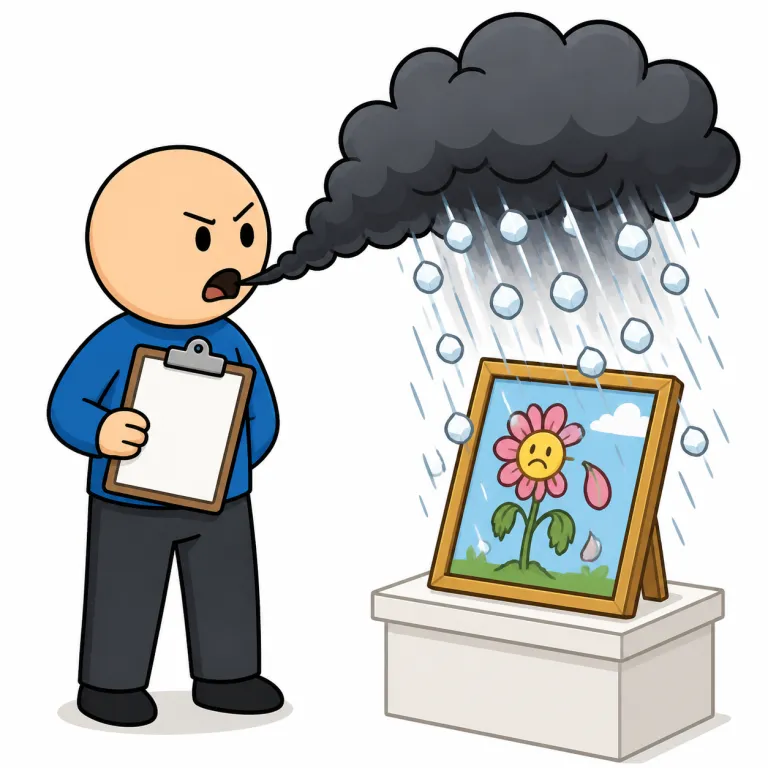
解説 Definition
人や作品、意見などを非常に厳しく批判することを表します。新聞レビューや政治的な発言でよく使われ、単なる不満ではなく、強い調子で非難するニュアンスがあります。
To criticize a person, work, or idea very harshly. It is often used in reviews and political reporting when someone expresses strong disapproval.
覚え方のコツ Memory Tip
slam は「言葉で相手をバタンと叩きつける」と考えると残りやすいです。物理的にドアを slam する時の乱暴な勢いが、そのまま批評や発言に移って「酷評する」になります。critics slammed the movie, slam the proposal as unrealistic のように、人・作品・案を強い調子で非難する文脈で使います。単なる criticize より音が聞こえるほど強く、物を叩きつける語義とは「対象が物か言葉か」で切り分けると覚えやすいです。
Imagine words hitting a proposal with the force of a door banging shut. In phrases such as "slam a proposal," that force represents harsh criticism.
例文
The critics slammed the movie for its weak script.
批評家たちはその映画を脚本が弱いとして酷評した。
She slammed the proposal as unrealistic.
彼女はその提案を非現実的だとして厳しく批判した。
The newspaper slammed the government over the scandal.
その新聞は不祥事をめぐって政府を酷評した。
slam の類義語・関連語
類義語
slam の語源・成り立ち Etymology
slam は衝突音をまねた擬音的な語で、低地ドイツ語や北欧語系の slammen 類と結びつけられます。「ズドンとぶつける音」がそのまま「強く叩きつける」動作の意味になったと考えると分かりやすく、slammer や slam-dunk にも同じ勢いが残ります。
The word is imitative of a loud impact sound. That sound is reflected in the forceful action the verb describes.
同じレベルの語彙をもっと
英検準1級の一覧へ →外部辞書で調べる
この英単語をクイズで覚えよう