心を奪う、夢中にさせる
verb 動詞人に強い恋愛感情や憧れを抱かせることを表します。現代では主に過去分詞 smitten を用いた be smitten withまたはbe smitten byの形で使われ、物理的に打つ意味とは区別されます。
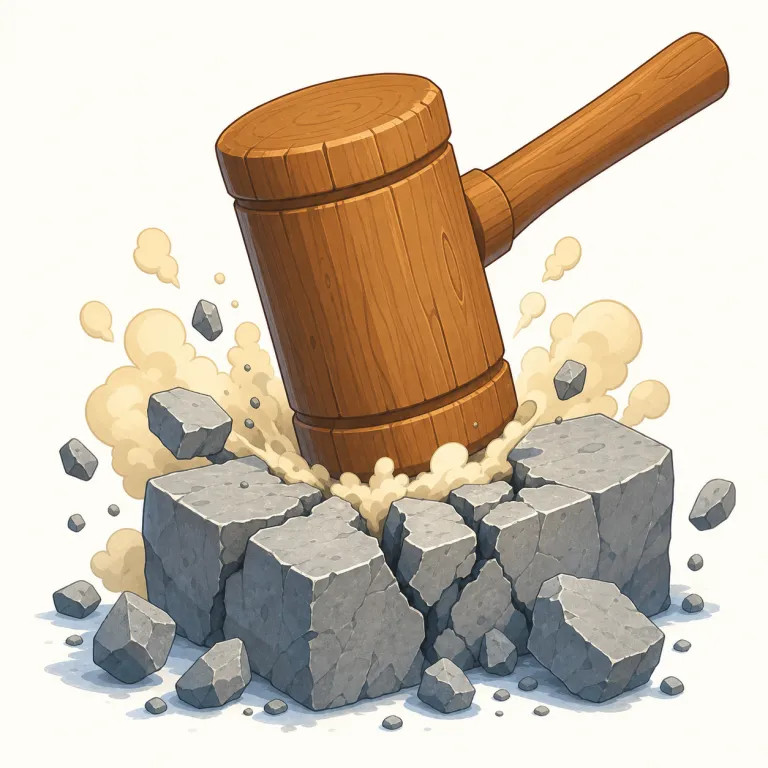
smite は英検1級レベルの英単語で、「強く打つ、打ちのめす」という意味があります。発音記号は /smaɪt/ です。
人や物を激しく打つ、打ちのめすという意味の動詞です。現代英語では日常会話よりも、聖書・神話・文学作品などの古風で重々しい文脈で使われることが多く、単なる「殴る」より強く劇的な響きを持ちます。
To smite means to hit or strike with great force. It can also mean to attack, punish, or affect someone very strongly, especially in literary or religious language. This word is old-fashioned in everyday English and is mostly seen in formal or dramatic writing.
まずは hit / strike より重い語だと考えると覚えやすいです。smite は「ただ打つ」ではなく、雷や神罰、戦士の一撃のように、相手を強く打って打ちのめす古風で劇的な語。日常会話の普通の「殴る」にはあまり使わず、神話・聖書・ファンタジーで the warrior smote his enemy のように出ます。恋に「打たれる」smitten ではなく、ここでは物理的に強く打つ語義として切り分けると残りやすいです。
Think of `smite` as a much heavier, more dramatic `hit` or `strike`. It often appears in myths, the Bible, or fantasy, where one powerful blow brings someone down. It also helps to remember `be smitten with`, so the word can suggest being strongly struck physically or emotionally.
In the old story, the warrior smote his enemy with a mighty blow.
古い物語では、戦士は強烈な一撃で敵を打ちのめした。
The lightning smote the tree, splitting it in two.
稲妻が木を激しく打ち、真っ二つに裂いた。
In his wrath, the king vowed to smite the traitor.
怒りに燃えた王は、その裏切り者を打ちのめすと誓った。
文脈によって、次の意味でも使われます。
人に強い恋愛感情や憧れを抱かせることを表します。現代では主に過去分詞 smitten を用いた be smitten withまたはbe smitten byの形で使われ、物理的に打つ意味とは区別されます。
smite は古英語 smitan「打つ」に由来します。古くは強く打つ、衝撃を与えるという意味を持ち、聖書風・文学的な文脈で重々しい響きを保ちました。そのため現代の smite も、単なる hit ではなく、相手を打ちのめすほど強く打つ意味になります。過去形は smote、過去分詞は smitten。
Smite comes from Old English smitan, which originally meant to strike, but could also mean to smear or mark by rubbing. The central idea was strong contact that leaves an effect or mark. That is why related forms like smitten later came to mean emotionally struck or deeply affected.
この英単語をクイズで覚えよう