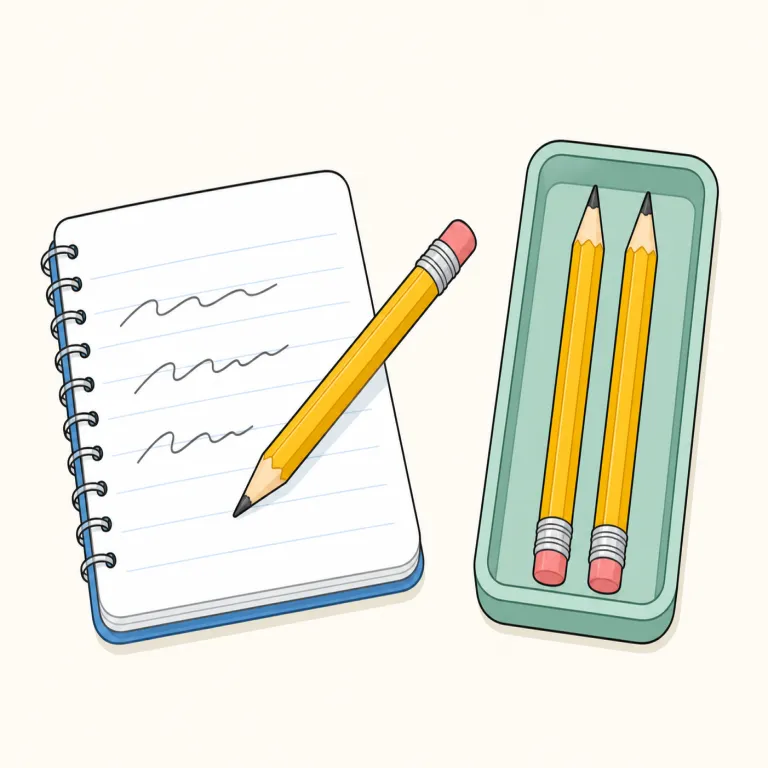
予備の
解説 Definition
必要になったときに備えて取ってある、または今すぐ使わなくても余っている状態を表す形容詞。spare key や spare seat のように、代わりとして使える物や空きのある時間・場所について幅広く使う。
Kept or available as an additional replacement in case it is needed. It can also describe time, space, or an object that is currently free and available for use.
覚え方のコツ Memory Tip
spare は「今使う分とは別に、必要時のため残してある」と覚えると、単なる extra との違いが見えます。玄関の鍵をなくしたとき、引き出しからもう一本を出す場面を spare key として固定しましょう。spare tire、spare blanket は故障や寒さへの備え、spare seat は使われていない空席です。名詞の直前に置く形が多く、Do you have a spare ...? が便利な定型。余分だから不要なのではなく、代用や空きとして使える点が核心です。
Think of something kept apart from what you are using now so that it will be available later. A spare key can replace a lost key, while a spare seat is an available seat. The important idea is useful availability, not simply something unnecessary.
例文
Do you have a spare key for the back door?
裏口用の予備の鍵はありますか。
We keep a spare blanket in the car.
私たちは車に予備の毛布を置いている。
There was one spare seat at the front.
前のほうに空いている席が一つあった。
免れさせる
(意味 2)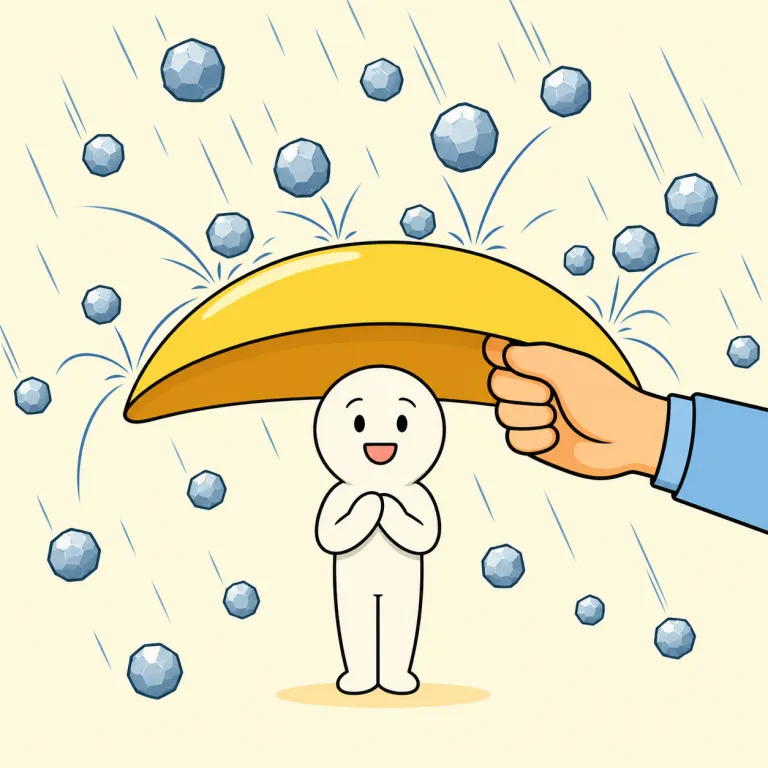
解説 Definition
人を苦痛・被害・面倒などから受けずに済むようにする動詞。spare someone from ... や spare someone the ... の形で、悪い経験を避けさせるときや命・負担を守る文脈でよく使う。
To prevent someone from having to experience pain, harm, trouble, or another unpleasant thing. It is commonly used when protecting a person from an injury, burden, or distressing detail.
覚え方のコツ Memory Tip
spare はまず「取っておく・使わず残す」とつなげると覚えやすいです。動詞では、貴重だと思って使うのを控えるので「惜しむ」。一方 spare no expense / spare no effort の形では no が入るため、「出し惜しみしない」で逆向きに「惜しまず〜する」になります。save や keep に近いですが、spare は“減らしたくないので手元に残す”感覚が強め。spare someone the trouble のように「相手の負担を負わせない」という使い方も一緒に押さえると定着します。
Connect spare with the idea of leaving someone unharmed or free from a burden. In “spare someone the trouble,” the trouble is kept away from that person. Patterns such as “spare someone from something” and “spare someone something” are especially useful.
例文
The new bridge spared drivers a long detour.
新しい橋のおかげで運転者は長い迂回をせずに済んだ。
Her quick action spared the child serious injury.
彼女の素早い行動でその子は大けがを免れた。
Please spare him the details of the accident.
事故の細かい話は彼にはしないでください。
割く
(意味 3)
解説 Definition
時間・お金・労力などを、ほかの目的のために少し回せることを表す動詞。Can you spare ...? の形で依頼に多く、手元に大きな余裕はなくても何とか出せるという含みを持つ。
To make a small amount of time, money, or effort available for another person or purpose. It often suggests giving what one can despite having only limited resources available.
覚え方のコツ Memory Tip
spare はまず「余分に残っている」とつなげると覚えやすいです。Can you spare five minutes? は、時間を完全に失うのではなく、手元の余裕から少しだけ「割けますか」と頼む言い方。spare money なら「少し出せるお金」、spare time なら「空けられる時間」です。「惜しむ」と違い、この語義では残しておいた余裕分を相手や別目的に回すのがポイント。give より控えめで、無理のない範囲で出せる感じを押さえると定着します。
Think of keeping a little time or money available and then giving some of it to another purpose. “Can you spare five minutes?” asks whether five minutes can be taken from your available time. This sounds more limited and modest than simply offering to give something.
例文
Can you spare five minutes to look at this email?
このメールを見るのに5分ほど時間を割けますか。
I can spare a little money for a taxi.
タクシー代なら少しお金を出せます。
He couldn't spare an hour for the meeting.
彼はその会議に1時間を割けなかった。
惜しむ / 惜しまず
(意味 4)
解説 Definition
何かを大切かつ貴重と感じ、それを失ったり使ったりすることを避け、控える気持ちを表します。人に援助や称賛を与える場合に、必要な分を惜しまず渡すという意味も持ちます。食材や調味料を必要なだけ惜しまず使うような文脈でも使われます。
To spare someone or something means to not hurt, use, or take it when you could. It is often used when talking about saving someone from pain, trouble, or damage. It also appears in phrases like "spare no effort," meaning to give as much as necessary.
例文
She didn't spare any expense for her daughter's education.
彼女は娘の教育のために、費用を惜しみませんでした。
He spares no praise for those who work hard.
彼は懸命に働く人たちを賞賛することを惜しみません。
Don't spare the salt when cooking this dish.
この料理を作るときは、塩を惜しまず使ってください。
spare の類義語・関連語
類義語
派生語
紛らわしい語
spare の語源・成り立ち Etymology
古英語 sparian(傷つけずにおく、控える)が語源で、ゲルマン祖語 *sparōn に遡る。「余分に取っておく→使わずに残す→惜しむ」と意味が展開。関連語: sparse(まばらな=節約された状態)。余裕を持たせる感覚が「惜しむ」と「惜しまず与える」の両義につながった。
The word comes from Old English sparian, meaning “to leave unharmed” or “to refrain,” which the source traces to Proto-Germanic *sparōn. The idea of leaving something unused developed into the sense of keeping it available in reserve.
同じレベルの語彙をもっと
外部辞書で調べる
この英単語をクイズで覚えよう