take
take は英検6級レベルの英単語で、「取る、かかる、受ける、持っていく」という意味があります。発音記号は /teɪk/ です。
意味一覧 (4件)
取る
解説 Definition
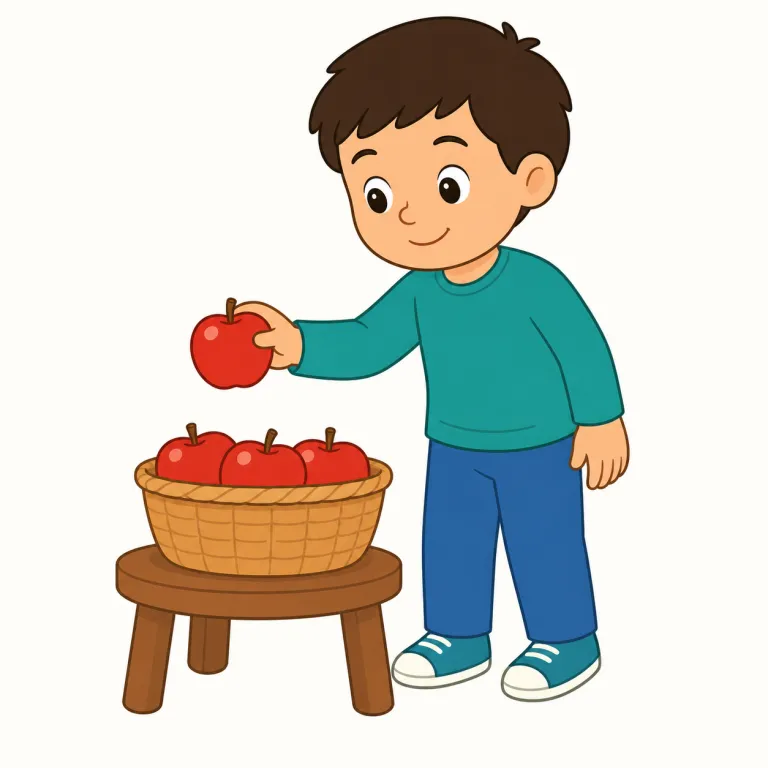
手でつかんだり、ある場所から自分のものとして取り出したりするときに使う基本義です。物を拾う、選び取る、席や機会を確保するなど、対象を自分の側へ取り込む感覚があります。文脈によっては休みを取るのように、何かを確保する意味にも広がります。
To reach for and get hold of something, or remove it from a place for yourself. The central idea is bringing something into your hands or possession.
覚え方のコツ Memory Tip
take の基本は「自分の側へ取る」です。手を伸ばして apple をかごから取る、plate の最後の cookie を取る、席やチャンスを取る、というように、対象をこちらのものにする動きを思い浮かべると定着します。pick up が「拾い上げる」動作に寄るのに対し、take は「選んで自分の側へ持ってくる」感触が広めです。It takes 30 minutes. の「時間がかかる」は派生用法なので、まずは take an apple, take the last cookie の物を取る基本義を押さえると整理しやすいです。
Picture reaching into a basket and bringing an apple toward yourself. Connect take an apple and take the last cookie with the same movement into your hands or possession.
例文
She took an apple from the basket.
彼女はかごからりんごを取った。
I took the last cookie on the plate.
私は皿の上の最後のクッキーを取った。
He took my hand and smiled.
彼は私の手を取ってほほえんだ。
かかる
(意味 2)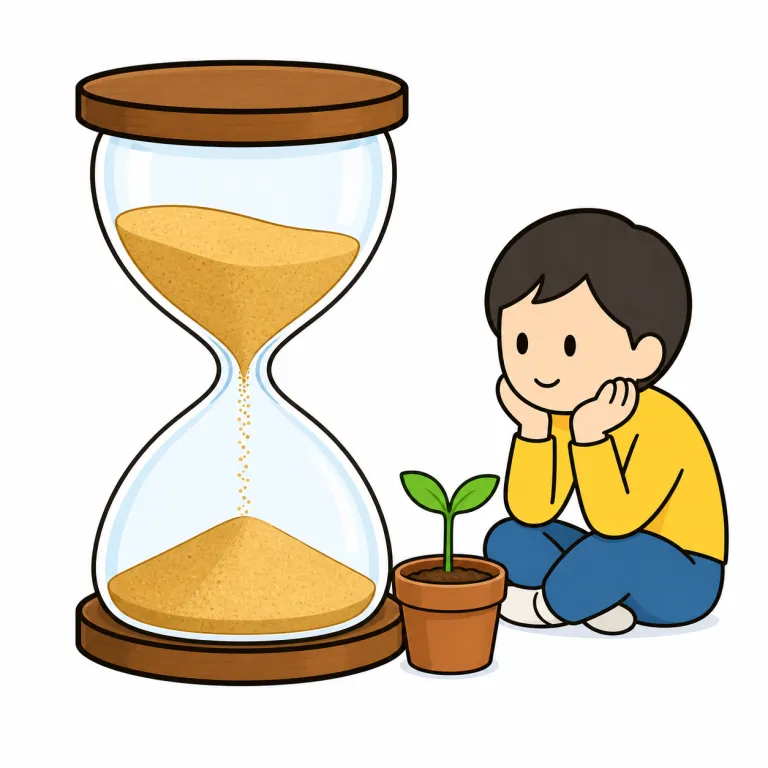
解説 Definition
時間・手間・労力などが必要であることを表す動詞。特に it takes ... to do ... の形で「…するのに〜かかる」という意味になり、移動、作業、学習などに必要な時間や負担を述べるときによく使われる。
Take can mean to need or require a certain amount of time, effort, money, or space. It is commonly used when talking about what is necessary to do something or complete something. In this meaning, it does not mean "carry" or "move" something.
覚え方のコツ Memory Tip
take の基本は「取る」ですが、「時間・労力をこちらから取っていく」と考えると「かかる」が覚えやすいです。なので It takes 30 minutes. は「30分を取られる→30分かかる」。人を主語にして I spent 30 minutes.、物事を主語にして It took 30 minutes. と対比すると整理しやすいです。it takes ... to do ..., take time, take effort, take patience などの形でまとめて覚えると実戦で強いです。
For this meaning, do not learn `take` alone. Learn the pattern: `It takes ... to ...` or `A takes time/money/effort`. That helps you connect the word with how much is needed, not with physical taking. `How long does it take?` is the best sentence to keep in memory.
例文
It takes about an hour to get to the airport by train.
電車で空港まで行くのに、約1時間かかる。
How long does it take to cook this dish?
この料理を作るのに、どのくらい時間がかかりますか。
Learning a new language takes years of practice.
新しい言語を習得するには、何年もの練習が必要だ。
えいたんごクイズでの正答率
この語をはじめて出題された 60人 のうち 57人 が正解しました(95%)。
えいたんごクイズの回答から集計した独自データです。1人につき最初に出題されたときの1回だけを数えており、復習や2回目以降の回答、「わからない」と時間切れは含みません。 集計時点は 2026年9月19日 です。
受ける
(意味 3)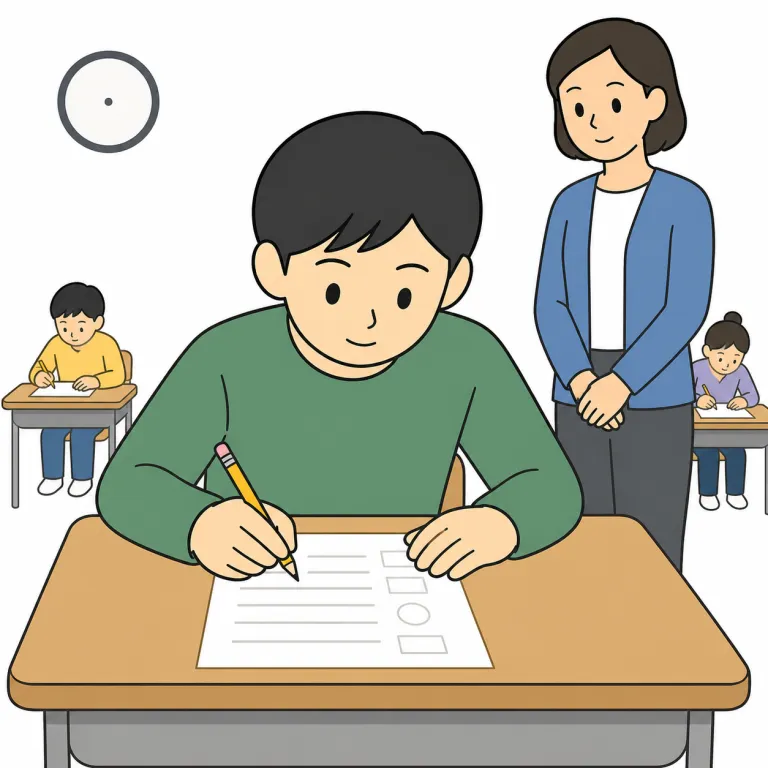
解説 Definition
試験・授業・治療などを自分が受ける立場で経験するときに使います。単に物を取るのではなく、その行為の対象になるという感覚が中心です。学校生活や仕事、医療の場面で特によく現れ、予定として参加する場面でも使われます。
To participate in something such as an examination or lessons, or to receive treatment. It describes experiencing the activity as the student, candidate, or patient.
覚え方のコツ Memory Tip
take の基本は「自分の側へ取り込む」ですが、試験・授業・治療などを自分の経験として取り込むと考えると「受ける」が覚えやすいです。なので take a test は「試験を取る」ではなく「試験を受ける」。take a lesson, take treatment, take an exam のように、自分が対象になって経験する行為とまとめると整理しやすいです。時間が「かかる」用法とは切り分けて、ここではサービスや課題を受け入れる感覚で覚えると実戦で強いです。
Think of bringing an activity into your own experience. Learn take a test and take a lesson together, picturing yourself as the person answering questions or learning.
例文
I have to take a math test tomorrow.
私は明日数学の試験を受けなければならない。
She took English lessons online.
彼女はオンラインで英語の授業を受けた。
He took a health class at the local clinic.
彼は近くの医院で健康についての授業を受けた。
持っていく
(意味 4)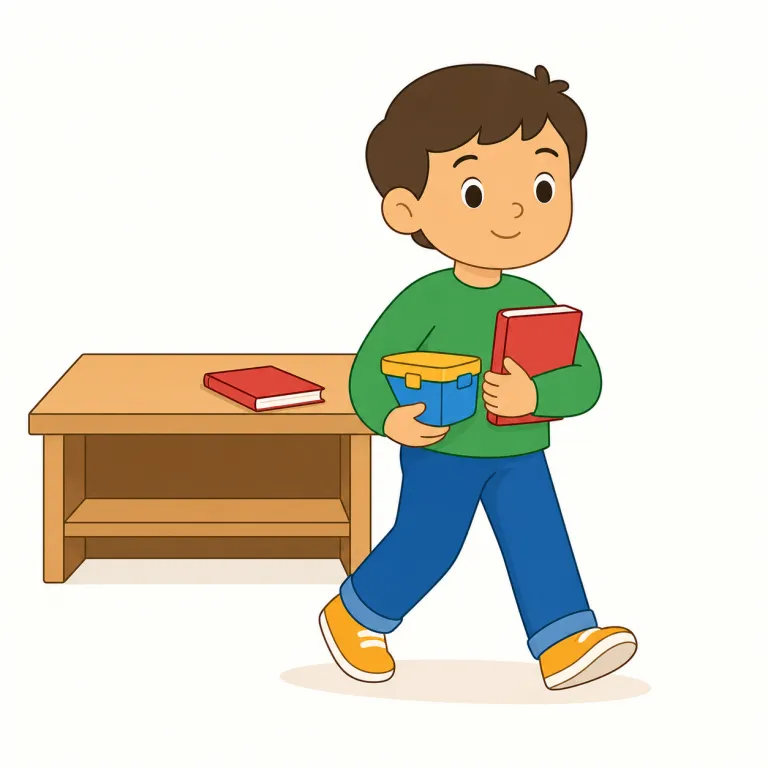
解説 Definition
物を今いる場所から別の場所へ運ぶときに使う意味です。話し手や基準となる場所から離れていく方向を含むことが多く、会議に資料を持っていく、旅行に薬を持っていくなどの場面で自然です。携帯して移動する感覚が強い語です。
To carry something with you from one place to another. It often describes movement away from the speaker's location, such as carrying supplies to school or on a trip.
覚え方のコツ Memory Tip
take の基本は「取る」ですが、取った物をそのまま別の場所へ運ぶと考えると「持っていく」が覚えやすいです。なので Take an umbrella. は「傘を取れ」だけでなく「傘を持っていって」。bring がこちらへ持ってくる感じなのに対して、take は学校・旅行先・会議など別の場所へ連れて行く、持って行く方向で整理すると残りやすいです。時間が「かかる」用法とは分けて覚えましょう。
Picture picking up an umbrella and leaving home with it. Take an umbrella connects the object with your journey to another place, while bring often points toward the speaker's location.
例文
I'll take these books to school.
私はこれらの本を学校へ持っていく。
Take an umbrella with you.
傘を持っていってください。
She took some snacks to the picnic.
彼女はピクニックに軽食を持っていった。
take の類義語・関連語
類義語
対義語
take を含む表現
句動詞・イディオムなど 90 件。クリックで各表現の詳細へ。
- take a rest 休憩する L1
- take off 脱ぐ、離陸する L2
- take off 軌道に乗る L2
- take off 休みを取る L2
- take care 世話をする L3
- take a for granted Aのありがたみを忘れる L4
- take it back 返品する、(発言などを)撤回する L4
- take a by surprise 不意をつく L5
- take forever 非常に時間がかかる L5
- can you take out the trash ゴミを出して L6
- take this medicine この薬を飲んで L6
- do you take credit cards カード使えますか L7
- i'll take it これにします L7
- i'll take it 引き受けます L7
- i'll take it 電話に出ます L7
- take an umbrella with you 傘を持っていってください L7
- take care 気をつけて L7
- take part in 参加する L7
- take your time ごゆっくり L7
- take a rain check またの機会にする L8
- take care of 世話をする L8
- take care of 対処する L8
- take heart 元気づけられる L8
- take it for granted 軽視する L8
- take one's sweet time のんびり進める L8
- take to 習慣にする L8
- take care of business やるべきことを済ませる L9
- take a bow 称賛を受ける L10
- take it or leave it 受けるか断るか L10
- take something to heart 深く気にする L10
- take a back seat 脇に回る L11
- take center stage 主役になる L11
- take down 下ろす、書き留める L11
- take down 書き留める L11
- take down 打ち負かす L11
- take down 取り壊す L11
- take it for granted 当然のことと思う L11
- take it for granted ありがたみを忘れる L11
- take matters into one's own hands 自分で対処する L12
- take the bait 誘いに乗る L12
- take on 引き受ける、雇う、立ち向かう L13
- take on 帯びる L13
- take on 乗せる、積み込む L13
- take something with a grain of salt 疑って受け取る L13
- take a beating ひどい打撃を受ける、大敗する L14
- take a swing at 試みる L14
- take over 引き継ぐ L14
- take over 乗っ取る L14
- take root 根付く L14
- take pride in 誇りに思う L15
- take up (趣味・活動などを)始める、(空間・時間を)占める L15
- take up 取り上げる L15
- take up 引き受ける L15
- take a leaf out of someone's book 人を見習う L16
- take no prisoners 容赦しない L16
- take offense at 腹を立てる L16
- take out 取り出す L16
- take out 持ち帰りにする L16
- take out 連れ出す L16
- take out 契約する L16
- take someone to the cleaners 金を巻き上げる L16
- take back 取り消す L17
- take back 返す、返却する L17
- take back 連れ戻す、取り戻す L17
- take heart 勇気を持つ L17
- take steps 手を打つ L17
- take a away from b 取り上げる L18
- take a away from b 差し引く L18
- take cover 身を隠す L18
- take in 理解する L18
- take in 取り込む、吸収する L18
- take in だます L18
- take in 泊める、受け入れる L18
- take leave of 別れを告げる L18
- take pity on 同情する L18
- take potluck あり合わせで済ます L18
- take the biscuit あきれる事態 L18
- take the plunge 思い切ってやる L18
- take after 似ている L19
- take pains 骨を折る L19
- take something with a grain of salt 話半分に聞く L19
- take a by surprise 不意に驚かす L20
- take a into consideration 考慮する L20
- take apart 分解する L20
- take apart こき下ろす L20
- take delight in ~を楽しむ、~に喜びを感じる L20
- take up with ~と付き合い始める L20
- take to 好きになる L21
- take with a grain of salt 話半分に聞く L22
- take the bull by the horns 困難に立ち向かう L28
take の語源・成り立ち Etymology
take は古ノルド語 taka「つかむ、手に取る」に由来し、北欧語の影響で英語に深く定着しました。核のイメージは「自分の側へ取り込むこと」で、この行の「物を取る」がその中心です。そこから「受ける」「乗る」「時間がかかる」などへ広がります。関連語は overtake, undertake。
Take comes from Old Norse taka, meaning to grasp or pick up. The central image is bringing something into one's own hold or possession.
同じレベルの語彙をもっと
英検6級の一覧へ →外部辞書で調べる
この英単語をクイズで覚えよう