take on
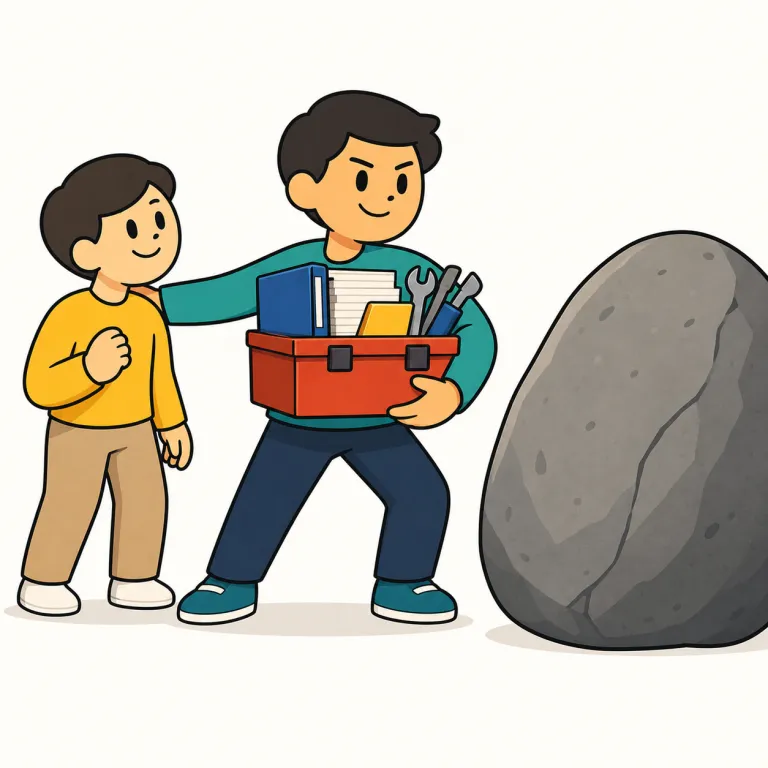
take on は英検2級レベルの英熟語で、「引き受ける、雇う、立ち向かう、帯びる、乗せる、積み込む」という意味があります。発音記号は /ˈteɪk ˈɑːn/ です。
引き受ける、雇う、立ち向かう
解説 Definition
仕事や責任を引き受ける、人を新たに雇う、相手や問題に立ち向かう、などの意味で使う句動詞。目的語や文脈によって意味が変わるため、「担当する」「採用する」「挑む」などと訳し分ける必要がある。
To take on something means to accept a task, responsibility, or challenge. It can also mean to hire someone or to begin dealing with an opponent or difficult situation. The exact meaning changes with the context.
覚え方のコツ Memory Tip
take on は take の基本感覚「自分の側に受ける」を広げて覚えると整理しやすい句動詞。on が付くと、責任・人・勝負をこちらで抱える感じになる。take on a task / more work なら「引き受ける」、take on new staff なら「雇う」、take on a rival / challenge なら「立ち向かう」。意味を丸暗記するより、目的語が「仕事・人・相手」のどれかを見ると判断しやすい。take over「引き継ぐ」と混同しないこと。
Think of `take on` as taking something onto yourself. You take on work, take on new staff, or take on a rival, so the object tells you the meaning. This makes it easier to separate from `take over`, which is more about control or replacement.
例文
She decided to take on the challenging project by herself.
彼女はその難しいプロジェクトを一人で引き受けることにした。
The company plans to take on fifty new employees this year.
その会社は今年、新たに従業員を50人雇う予定だ。
He was ready to take on his strongest opponent.
彼は最強の相手に立ち向かう覚悟ができていた。
帯びる
(意味 2)
解説 Definition
人や物を直接取る意味ではなく、色・雰囲気・表情・重要性などが新たに現れて、そのものがある性質を示すときに使う。変化が少しずつ見えてくる文脈でよく用いられ、抽象的な特徴にも具体的な見た目にも自然に使える。話し言葉でも文章でも使われる。
To begin to have or display a particular quality, appearance, or character. It is used when a new color, tone, atmosphere, or importance develops, sometimes gradually.
覚え方のコツ Memory Tip
take on は take の基本感覚「自分の側に受ける」を広げて覚えると整理しやすい句動詞。on が付くと、色・表情・雰囲気がそのものの上に乗ってくる感じになる。take on a reddish color なら「赤みを帯びる」、take on a serious tone なら「真剣な調子を帯びる」。仕事を「引き受ける」用法ではなく、性質が新しく現れて見える語。目的語が「色・調子・意味・重要性」ならこの意味で判断しやすい。
Imagine a new color or quality settling onto something like a covering. In take on a reddish color or take on a serious tone, the object names the new feature that becomes noticeable.
例文
The sky took on a reddish color at sunset.
夕暮れに空は赤みを帯びた。
His voice took on a serious tone after the question.
その質問のあと、彼の声は真剣な調子を帯びた。
The issue took on new importance after the accident.
事故のあと、その問題は新たな重要性を帯びた。
乗せる、積み込む
(意味 3)
解説 Definition
乗り物や船、機械設備などが、乗客・貨物・燃料・水などを新たに受け入れる場面で使う。出発前や途中の補給、積み込み、乗船の文脈でよく見られ、単なる「雇う」ではなく物理的に中へ入れて載せる感覚が中心。運送や旅行の説明で頻出する。
To receive passengers, cargo, fuel, or supplies aboard a vehicle or into equipment. It is often used when transport stops to load people or goods or to obtain supplies for a journey.
覚え方のコツ Memory Tip
take on は take の基本感覚「自分の側に受ける」を広げて覚えると整理しやすい句動詞。on が付くと、船や車が乗客・荷物・燃料を自分の上や中に受け入れて載せる感じになる。take on passengers なら「乗客を乗せる」、take on supplies / fuel なら「物資・燃料を積み込む」。仕事を「引き受ける」用法ではなく、物理的に載せる・積む語。目的語が「乗客・貨物・燃料」ならこの意味で判断しやすい。
Picture a ship receiving people and supplies onto its deck or into its tanks. Learn take on passengers and take on fuel together to connect the expression with physically receiving something aboard.
例文
The ferry stopped to take on more passengers.
そのフェリーはさらに乗客を乗せるために停まった。
The truck took on supplies before heading north.
そのトラックは北へ向かう前に物資を積み込んだ。
The plane took on fuel before the next flight.
その飛行機は次の便の前に燃料を補給した。
take on の類義語・関連語
take on の語源・成り立ち Etymology
take は古ノルド語 taka「つかむ・取る」、on は古英語 on「上に・身に」。分けると「身に引き受けて載せる」で、仕事や責任を自分の側へ抱え込む感覚から「引き受ける」になった。関連語に undertake、intake がある。
"Take" comes from Old Norse taka, meaning "to grasp" or "to take," while "on" comes from Old English and originally suggested something placed upon oneself. The early sense was of taking something onto your own side or shoulders. That image developed into accepting work, duty, or responsibility. Related words include "undertake" and "intake."
同じレベルの語彙をもっと
英検2級の一覧へ →外部辞書で調べる
この英熟語をクイズで覚えよう