
意味一覧 (2件)
直面する
解説 Definition
問題、困難、厳しい現実などを避けずに受け止めることを表す。単に目の前に現れるだけでなく、その事実を認めたうえで対応したり、解決へ動いたりする場面でよく使う。人と直接対決する意味ではなく、課題に正面から向き合う用法が中心。
This verb means to face a difficult problem, fact, or situation directly instead of avoiding it. It often suggests recognizing the difficulty and taking action to deal with it.
覚え方のコツ Memory Tip
front「前面・正面」を知っていると覚えやすい語。confront は「正面に立つ」が基本イメージで、人と対決する時にも、problem / danger / reality など厄介なものに直面する時にも使える。単なる meet より緊張感があり、avoid の反対側にある語として置くと定着しやすい。confront a problem, confront an enemy, be confronted with ... の形が頻出。confuse しやすい comfort とは全く別で、「快適」ではなく「逃げずに向き合う」語。
Connect confront with front and imagine standing directly in front of a problem. It has more tension than meet and can be remembered as the opposite of avoiding a difficult reality.
例文
The country is confronting a serious energy shortage.
その国は深刻なエネルギー不足に直面している。
She had to confront the fact that the plan had failed.
彼女は計画が失敗したという事実に向き合わなければならなかった。
We should confront the problem now rather than wait.
待つより今その問題に向き合うべきだ。
対決する
(意味 2)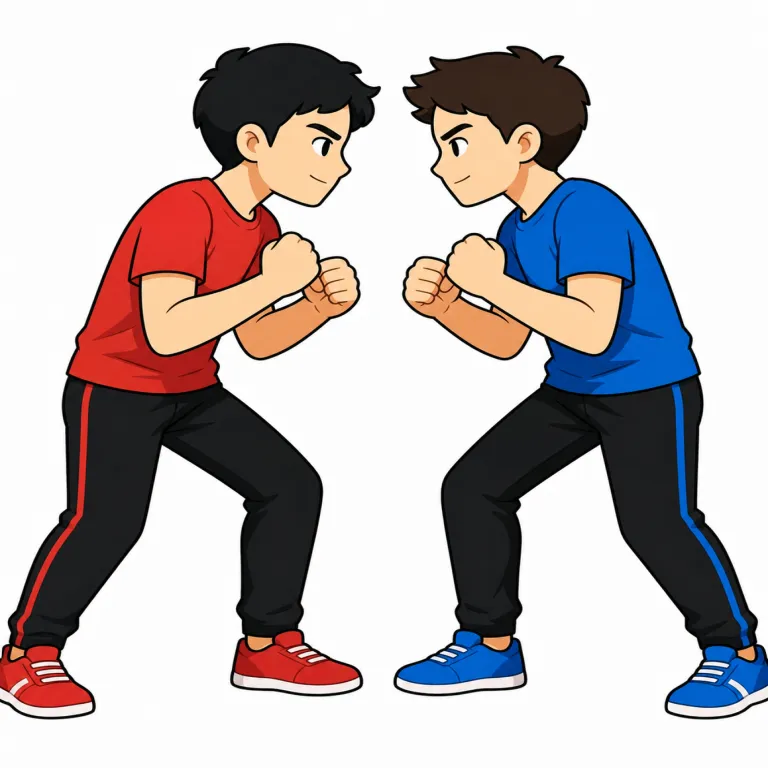
解説 Definition
相手や敵に正面から向き合って対決したり、本人に問題を直接問いただしたりすることを表す。人との直接的な対峙に焦点があり、問題や現実に「直面する」という兄弟語義とは区別する。
To confront someone means to face them directly and deal with a problem, disagreement, or difficult truth. It is often used when a person chooses to speak openly instead of avoiding the issue. The word can suggest courage, tension, or conflict depending on the situation.
覚え方のコツ Memory Tip
front「正面」を手がかりに、相手の正面に立って直接向き合う場面を思い浮かべると覚えやすい。この語義では confront an enemy「敵と対決する」や confront someone about ...「…について本人を問いただす」の形が中心。単に会う meet より、対立や追及を伴う響きがある。
Notice the word `front` inside `confront`. That gives a strong image of standing in front of someone instead of avoiding them. It fits phrases like `confront an opponent` or `confront someone over the issue`, where tension is direct and clear.
例文
The hero had to confront the villain.
その主人公は悪役と対決しなければならなかった。
She confronted the man who had been threatening her.
彼女は自分を脅していた男と直接対峙した。
The manager confronted the employee about the falsified records.
上司は記録の改ざんについて、その従業員を直接問いただした。
えいたんごクイズでの正答率
この語をはじめて出題された 34人 のうち 26人 が正解しました(76%)。
えいたんごクイズの回答から集計した独自データです。1人につき最初に出題されたときの1回だけを数えており、復習や2回目以降の回答、「わからない」と時間切れは含みません。 集計時点は 2026年9月19日 です。
confront の類義語・関連語
confront の語源・成り立ち Etymology
confront は中世ラテン語 confrontare に由来し、con-「共に」+ frontem「額・前面」から成ります。相手と『額を突き合わせる』感覚が核なので、対決するだけでなく問題に『正面から向き合う』意味になり、front や confrontation も同じ語根です。
It comes from Medieval Latin confrontare, formed from con-, “together,” and frontem, “forehead” or “front.” Its central image is facing something directly.
同じレベルの語彙をもっと
外部辞書で調べる
この英単語をクイズで覚えよう