用具、釣り道具
noun 名詞ある活動に必要な道具一式を指し、特に fishing tackle の形で釣りざお、釣り糸、針などの釣り具を表す。通常は不可算名詞として扱われ、相手を止める動作としてのタックルとは区別される。
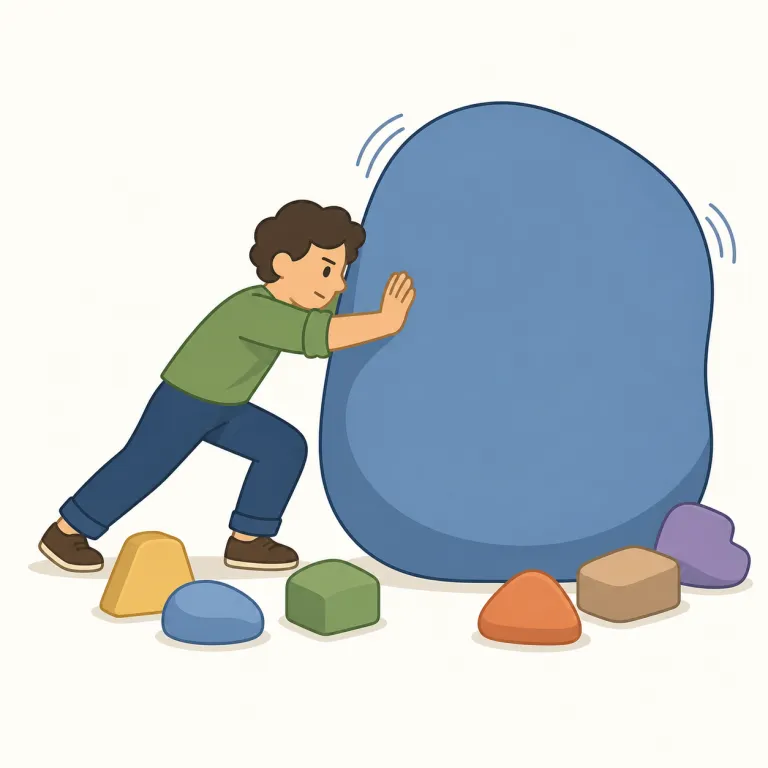
tackle はTOEIC 860・TOEFL 80・IELTS 6.5レベルの英単語で、「取り組む、タックルする」という意味があります。発音記号は /ˈtækəl/ です。
動詞として、スポーツで相手に体当たりして止めることや、問題・課題に正面から取り組むことを表す。試合で相手の動きを封じる場面にも、難しい仕事や社会的な問題を避けずに引き受け、解決に向けて行動を始める場面にも使われる、幅広い語である。
To tackle something means to make a serious effort to deal with a problem, task, or difficult situation. It is often used when something needs action, skill, or careful attention. In sports, it can also mean trying to stop an opponent by grabbing or hitting them.
まずスポーツの「タックル」で覚えると定着しやすい語。相手に体ごとぶつかって止めるイメージを、そのまま問題にも広げると「逃げずに正面から取り組む」になる。deal with が「対処する」なら、tackle はもっと難しい課題に食らいつく感じ。tackle a problem, tackle an issue, tackle climate change の形でよく出る。受け身で眺めるのでなく、自分から手をつける語だと押さえると忘れにくい。
Start with the sports image of a tackle: you move straight into someone instead of avoiding them. That same image helps with ideas like `tackle a problem` or `tackle an issue` because the word suggests active effort. It feels stronger than `deal with`, which can sound more general.
He tackled the player near the goal.
彼はゴールの近くでその選手にタックルしました。
We must tackle this problem now.
私たちは今、この問題に取り組まなければなりません。
The company will tackle this safety problem.
その会社はこの安全上の問題に取り組みます。
この語をはじめて出題された 43人 のうち 43人 が正解しました(100%)。
えいたんごクイズの回答から集計した独自データです。1人につき最初に出題されたときの1回だけを数えており、復習や2回目以降の回答、「わからない」と時間切れは含みません。 集計時点は 2026年9月19日 です。
文脈によって、次の意味でも使われます。
ある活動に必要な道具一式を指し、特に fishing tackle の形で釣りざお、釣り糸、針などの釣り具を表す。通常は不可算名詞として扱われ、相手を止める動作としてのタックルとは区別される。
tackle は中英語 takel を経て、中世オランダ語・低地ドイツ語系の「道具・装備」を表す語に由来します。もとは船の索具や用具の意味で、『仕事に必要な装備』という感覚から、体当たりのタックルや問題に取り組む意味へ広がりました。関連語は tackle(動詞), tackling です。
Tackle came into English from Middle English takel, from Middle Dutch and Low German words meaning equipment or tools. It first referred to gear, especially a ship's ropes and fittings. From the idea of having the necessary equipment for a task, it later developed into meanings like dealing with a problem or grappling physically.
この英単語をクイズで覚えよう