
意味一覧 (3件)
ひとりで
解説 Definition
alone が副詞で使われると、誰かと一緒ではなく、自分ひとりで行動したり過ごしたりすることを表す。住む・歩く・旅行するなど、人の不在や付き添いのなさを述べる場面でよく使う。孤独さをにおわせることもあるが、単に一人だという事実だけを示す場合も多い。
Without another person accompanying or helping you. It can describe living, traveling, walking, or completing something by yourself, whether or not you feel lonely.
覚え方のコツ Memory Tip
alone を副詞で見るときは、「一緒にいる人を全部外して、自分ひとりでいる」映像で覚えると定着します。live alone は誰とも同居せずに暮らす、walk home alone は付き添いなしで帰るという感覚です。You alone can do it. のような「それだけ・唯一」の限定用法もありますが、この行では only ではなく「ひとりで行動する」に焦点を置く。lonely は「寂しい」で、alone はまず一人という状態を表します。
Think of alone as all plus one: one person with everyone else removed from the picture. Remember that live alone and walk alone describe being by yourself, while lonely describes an unhappy feeling.
例文
She lives alone in Tokyo.
彼女は東京でひとりで暮らしている。
I don't want to walk home alone at night.
夜にひとりで歩いて帰りたくない。
He finished the project alone.
彼はそのプロジェクトをひとりでやり遂げた。
~だけ
(意味 2)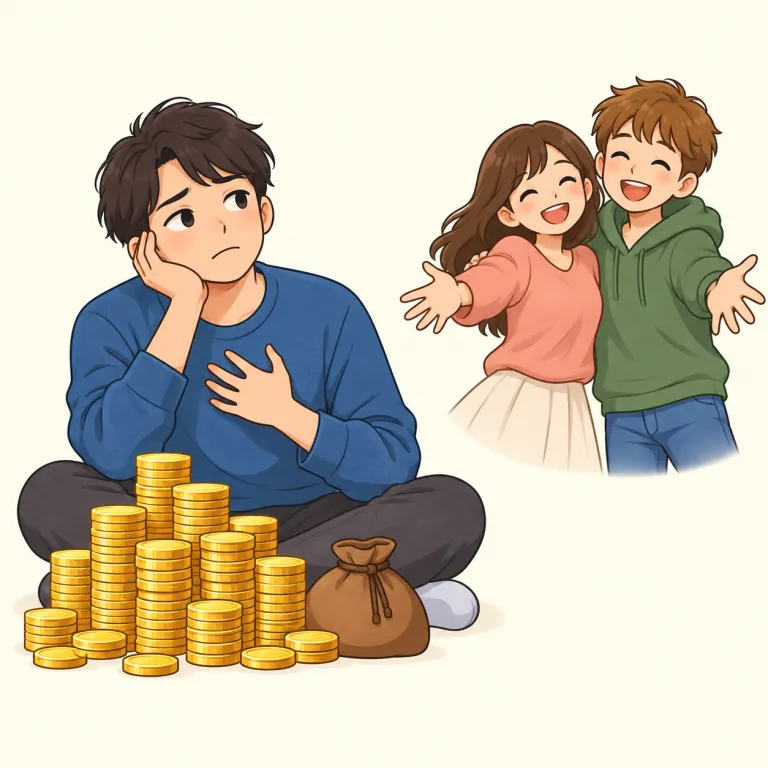
解説 Definition
副詞としての alone は「~だけで」「~のみで」を表し、他の人・物・理由を除いて、その対象だけが条件や根拠、担当であることを強調する。限定の意味が中心で、名詞や代名詞の後ろに置かれることも多い。
Alone can mean only, with nothing else added or included. As an adverb, it is often used for emphasis after a noun or pronoun to show that one thing or person is enough by itself.
覚え方のコツ Memory Tip
alone を副詞で見るときは、「その1つだけを取り出して、ほかを全部外す」映像で覚えると定着します。You alone can do it. は「できるのはあなただけ」、let this fact alone prove it. なら「この事実だけで証明になる」の感覚です。only に近い限定ですが、alone は名詞・代名詞の後ろに置かれやすいのが手がかり。lonely は「寂しい」で別物なので、意味の中心を「孤独」ではなく「それだけ」に置くと混同しません。
When `alone` means this, think of the pattern `X alone` = `only X`. It usually comes right after a noun or pronoun, as in `you alone` or `money alone`. This use is about limiting the scope, not about being lonely or by yourself.
例文
Success alone is not enough; character also matters.
成功だけでは十分ではない。人格も重要だ。
Money alone cannot bring true happiness.
お金だけでは本当の幸せは得られない。
The decision rests with you alone.
その決定はあなただけに委ねられている。
単独の
(意味 3)
解説 Definition
alone が形容詞で使われると、他と切り離されて一つだけで存在するものや、付き添いのない人の状態を表す。名詞の後ろで補語として使われることが多く、孤立している感じや、ただ一つだけであることを強調する。副詞の alone と違って、物や人の性質・状態を述べる用法である。
Being separate from other people or things, with no companion or similar object nearby. This adjective usually follows a linking verb and describes the state of a person or thing rather than necessarily expressing loneliness.
覚え方のコツ Memory Tip
alone は「完全に一つ」という核を持つ語で、周囲から切り離され、付き添いや仲間がない状態を思い浮かべると覚えやすいです。形容詞では a alone person のように名詞の前へ置くのは普通ではなく、The child was alone のように be動詞の後や、The house stood alone のように状態を述べる位置で使います。lonely が「寂しい」という感情を含むのに対し、alone は客観的に「単独である」ことが中心。丘に家が一軒だけ立つ絵で固定すると定着しやすいです。
Think of alone as “completely one” and picture a single house separated from everything around it. It normally appears after a verb, as in The child was alone, rather than directly before a noun.
例文
The house stood alone on the hill.
その家は丘の上に一軒だけ建っていた。
The child was alone in the room.
その子は部屋にひとりきりだった。
The tree stood alone in the field.
その木は野原に一本だけ立っていた。
alone の類義語・関連語
alone の語源・成り立ち Etymology
alone は中英語の al one に由来し、語の中身は all「すっかり」+ one「一つ」です。lone や only も one の系統で、原義は「完全に一人きり」。だから alone には、誰かと一緒ではなく一人でいる・一人で行動する感覚が残っています。
It comes from the Middle English expression al one, combining words meaning “completely” and “one.” Its original sense was being entirely by oneself.
同じレベルの語彙をもっと
外部辞書で調べる
この英単語をクイズで覚えよう