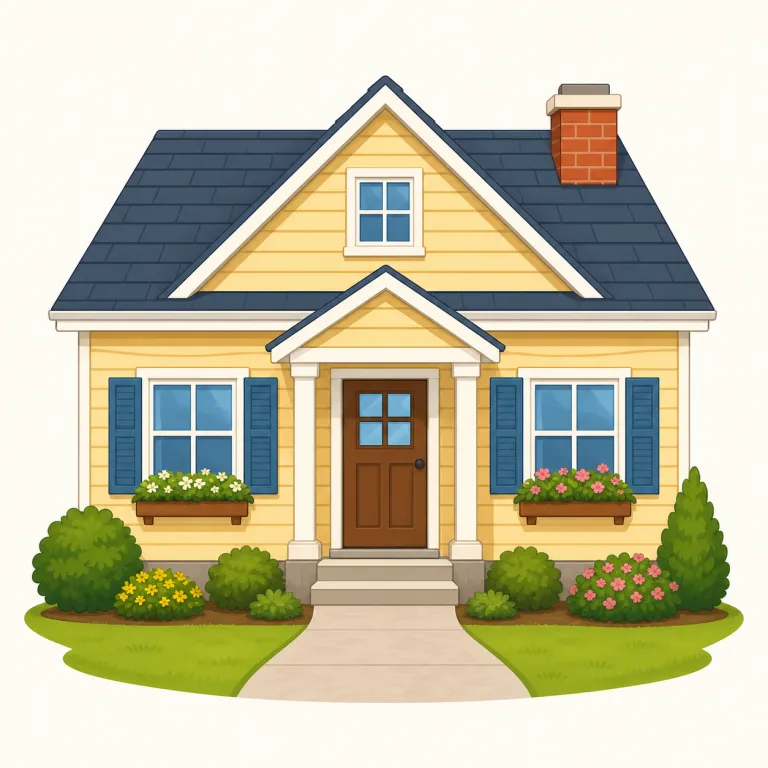
house
house は英検7級レベルの英単語で、「家、収容する」という意味があります。発音記号は /haʊs/ です。
意味一覧 (2件)
家
解説 Definition
人が住むための建物を表します。ふつうは家族や人が生活する場所で、部屋や屋根、壁などがあります。
A building where people live. It usually has rooms, walls, and a roof.
覚え方のコツ Memory Tip
house は、屋根・壁・窓・部屋がある「住むための建物」そのものを指します。紙に四角い壁と三角の屋根を描き、その絵に house と札を付けるイメージで固定すると覚えやすいです。a big house「大きな家」、a house with a garden「庭のある家」、near the house「家の近く」のように使います。home が安心して暮らす「家庭・我が家」という気持ちや生活の場にも重点を置くのに対し、house は目に見える建物だと押さえると混同しにくいです。
Think of a building with a roof and walls where a family lives.
例文
This house is big.
この家は大きいです。
My house has a garden.
私の家には庭があります。
The house is near the park.
その家は公園の近くにあります。
えいたんごクイズでの正答率
この語をはじめて出題された 32人 のうち 32人 が正解しました(100%)。
えいたんごクイズの回答から集計した独自データです。1人につき最初に出題されたときの1回だけを数えており、復習や2回目以降の回答、「わからない」と時間切れは含みません。 集計時点は 2026年9月19日 です。
収容する
(意味 2)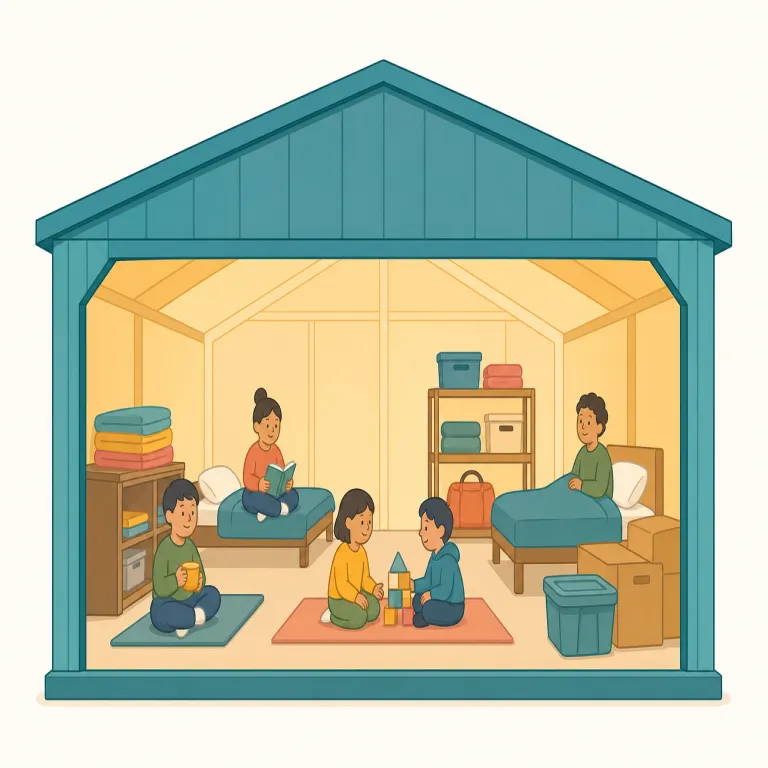
解説 Definition
この動詞は建物や施設が人や物を内部に収容・格納することを表す。収容先が人や動物、展示物などの居場所になる場合に用いられ、「〜が...を収めている」という受動的な状態を強調する。目的語には収容される対象が入り、動作の主体が保管や収容の場となっている点が特徴である。
To house means to give someone or something a place to live in or be kept in. It is often used for people, animals, equipment, or collections that need shelter or storage.
覚え方のコツ Memory Tip
名詞の house「家」を知っていれば、動詞 house は「家・建物の中に入れておく→収容する」と広げて覚えると残りやすいです。主語は人より building, museum, shelter などの施設になりやすく、house refugees / house animals / house a collection の形でよく出ます。自分が住む live in a house とは別で、the building houses ... は「その建物が〜を収めている」という少し説明的で静かな言い方。home は居場所、house は入れ物、と分けると混同しにくいです。
As a verb, `house` often means a building contains something inside it. Think of sentences like `The museum houses a collection` or `The building houses offices`. The subject is usually a place, and the object is what it holds and supports.
例文
The new complex will house over 500 students when it opens next year.
その新しい施設は来年開設されると500人以上の学生を収容する予定だ。
The old warehouse now houses a popular restaurant and art gallery.
その古い倉庫には今、人気のレストランとアートギャラリーが入っている。
The shelter houses dozens of rescue animals that are waiting to be adopted.
そのシェルターには里親を待つ数十匹の保護動物が収容されている。
house の類義語・関連語
類義語
派生語
house を含む表現
句動詞・イディオムなど 5 件。クリックで各表現の詳細へ。
house の語源・成り立ち Etymology
古い英語の hus に由来し、「住むための建物」という意味で使われていました。ドイツ語の Haus など、近い形と意味を持つ語がほかのゲルマン系の言語にもあります。
House comes from Old English hus, meaning a dwelling or building for living in. Related words appear in other Germanic languages, such as German Haus.
同じレベルの語彙をもっと
英検7級の一覧へ →外部辞書で調べる
この英単語をクイズで覚えよう