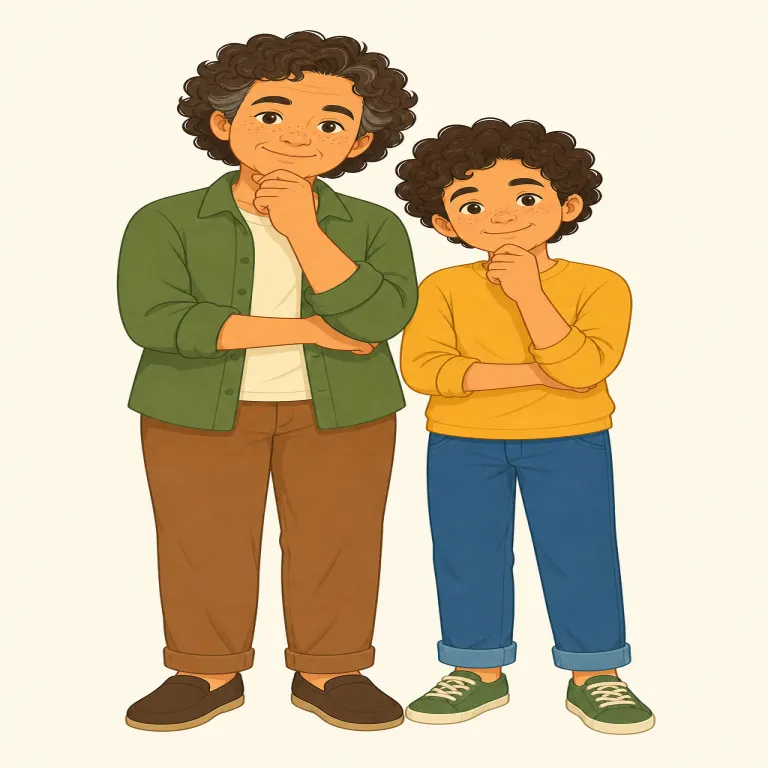
take after
take after は英検2級レベルの英熟語で、「似ている」という意味があります。発音記号は /ˈteɪk ˈæftər/ です。
似ている
解説 Definition
外見や性格が親や親族に似ていること。
To take after someone means to be similar to an older family member in appearance, character, or behavior. It is most often used when talking about children and parents or relatives. The similarity can be physical or part of the person’s personality.
覚え方のコツ Memory Tip
take after は family resemblance の定番表現として覚えると定着しやすいです。after があるので、誰かの“あとについていく”感じから、親や親族の特徴を受け継いで似ると考えると整理できます。主語は子ども側で、She takes after her mother. の形が頻出。単なる見た目なら look like に近いですが、take after は外見だけでなく性格や雰囲気まで含めやすいのがポイントです。服装や一時的なまねには普通使わず、家系的な似方に結びつけて覚えると迷いません。
Use the family idea to remember "take after." The word "after" can help you imagine following an older family member, so you become similar to them. It is common in sentences like "She takes after her mother," and it can include personality as well as looks.
例文
She takes after her mother in both appearance and personality.
彼女は外見も性格も母親に似ている。
People say he takes after his grandfather, who was also a musician.
彼は音楽家だった祖父に似ていると人々は言う。
Both twins take after their father; they are tall like him.
双子は二人とも父親に似て背が高い。
take after の類義語・関連語
紛らわしい語
take after の語源・成り立ち Etymology
take は古ノルド語 taka「つかむ・受け取る」、after は古英語 æfter「後を追って」。つまり「誰かのあとを取る」が原感覚で、性質や顔立ちがその人に従うように似ることを表します。関連語に retake、undertake。
Take comes from Old Norse taka, meaning to grasp or receive, and after comes from Old English aefter, meaning following behind. The original picture is of following after someone or taking from what comes after them. From that, take after developed the idea of resembling a parent or older relative in looks or character.
同じレベルの語彙をもっと
英検2級の一覧へ →外部辞書で調べる
この英熟語をクイズで覚えよう