take out
take out は英検4級レベルの英単語で、「取り出す、持ち帰りにする、連れ出す、契約する」という意味があります。発音記号は /ˈteɪk ˈaʊt/ です。
意味一覧 (4件)
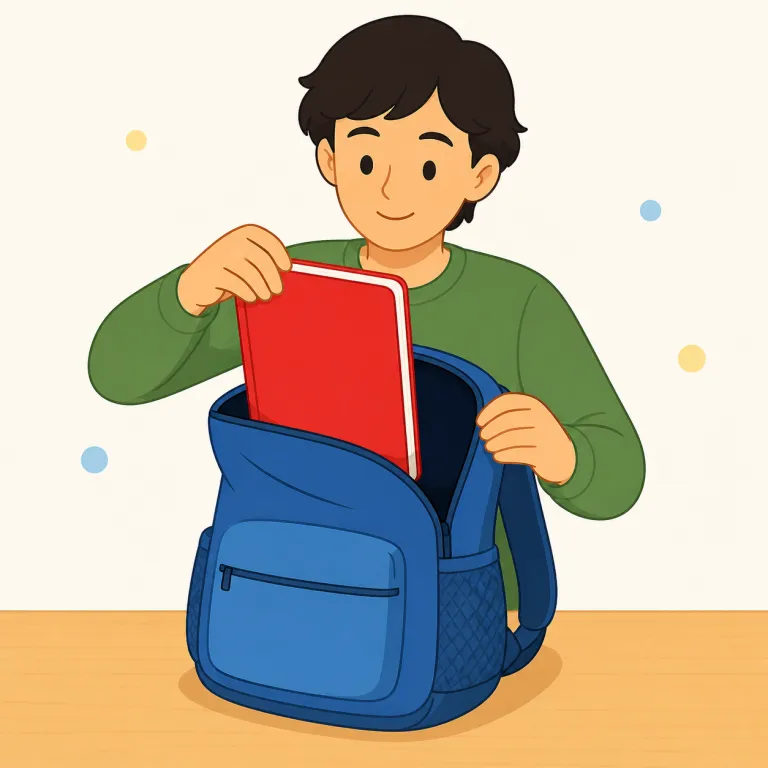
取り出す
解説 Definition
容器や場所から物を取り出すこと。また、保険などに加入する意味もある。
To take out means to remove something from a place, container, or pocket. It is used in everyday situations when something is brought from inside to outside. The object is usually something physical, so the meaning is often very direct and practical.
覚え方のコツ Memory Tip
基本動詞 take(取る)に out(外へ)が組み合わさり、直感的に「外へ取り出す」というイメージそのもの。in(中へ)の反対と捉えるとさらに覚えやすい。物を取り出す物理的な動作だけでなく、take out insurance(保険に加入する)、take out a loan(ローンを組む)のように、契約等を「外に引き出して成立させる」抽象的な用法も頻出。get out や pull out と紛らわしいが、get out は「自分が外へ出る」、pull out は「引っ張り出す」動作の強調であり、take out は「手に取って出す」基本ニュアンス。
`Take` means to get something in your hand, and `out` means to the outside. So `take out` gives a clear picture: you take something and bring it out. This helps you remember both physical uses like `take out a key` and common set phrases like `take out a loan`.
例文
I take out my wallet.
私は財布を取り出します。
He takes out a book.
彼は本を取り出します。
She takes out her key.
彼女は鍵を取り出します。
持ち帰りにする
(意味 2)解説 Definition
飲食店で料理や飲み物を店内で食べず、外へ持って行く形で受け取るときに使う。注文そのものにも、店員に持ち帰り用であると伝える意味にもなる。レストラン、カフェ、フードコートで日常的によく使われ、eat in と対比されることが多い。
覚え方のコツ Memory Tip
take「取って運ぶ」+out「外へ」なので、料理を店の外へ出す箱に入れて受け取る場面を思い浮かべると「持ち帰りにする」が定着します。店内飲食の eat in と対にして、eat here or take out?「ここで食べる、それとも持ち帰る?」を一組で覚えましょう。注文では coffee to take out のように、to take out を品物の後ろに置く形も頻出です。人や物を外へ出す他の語義と混ぜず、飲食店のカウンターと持ち帰り容器を目印にすると迷いません。
例文
Can we have two coffees to take out?
コーヒーを二つ、持ち帰りでお願いします。
Do you want to eat here or take out?
ここで食べる?それとも持ち帰りにする?
We decided to take out because the restaurant was full.
店が満席だったので、持ち帰りにすることにした。
連れ出す
(意味 3)解説 Definition
人を家や職場などの場所から外へ連れて行くときに使う。単に外出に誘う場合にも、恋愛文脈でデートに連れて行く場合にも使え、take someone out の形が典型的。相手をこちらから誘って行動を起こす感じがある。
覚え方のコツ Memory Tip
take+人+out の語順を、「人をこちらが連れて、建物の外へ」という一続きの動作で覚えると定着します。take my sister out for ice cream なら、妹を家から連れ出してアイスを食べに行く場面です。take A out for B「AをBに連れ出す」、take A out on Friday「金曜にAをデートへ誘う」が便利な型。go out は本人が外出すること、take someone out は誘う側が相手を連れていくこと、と主語の役割を比べると混同しにくいです。
例文
He took his little sister out for ice cream.
彼は妹をアイスクリームを食べに連れて行った。
Sam asked if he could take Mia out on Friday.
サムは金曜日にミアをデートに誘ってもよいか尋ねた。
I need to take Dad out for some fresh air.
父を外に連れ出して、新鮮な空気を吸わせないと。
契約する
(意味 4)解説 Definition
保険、ローン、住宅ローンなどを正式な手続きで利用開始するときに使う。単に欲しいと思うだけでなく、申請や審査を経て契約を結ぶ含みがある。金融や法的な文脈でよく見られる表現。
例文
She took out a life insurance policy last year.
彼女は昨年、生命保険を契約した。
We're planning to take out a small business loan.
私たちは事業資金の小口ローンを組む予定だ。
He took out a mortgage to buy the apartment.
彼はそのマンションを買うために住宅ローンを組んだ。
take out の類義語・関連語
take out の語源・成り立ち Etymology
take は古ノルド語 taka「つかむ」、out は古英語 ut「外へ」に由来します。つまり「つかんで外へ出す」で、箱や内部から何かを境界の外へ移す動きがそのまま意味になりました。outer や outdoor と同系で、内から外への移動感覚がよく見える語です。
`take` comes from Old Norse *taka*, meaning "grasp" or "seize," and `out` comes from Old English *ut*, meaning "outside." The original sense is very direct: take hold of something and move it beyond a boundary. From that simple physical image, `take out` developed its common uses for removing something from a place.
同じレベルの英単語をもっと
英検4級の一覧へ →外部辞書で調べる
この単語を英単語クイズで覚えよう