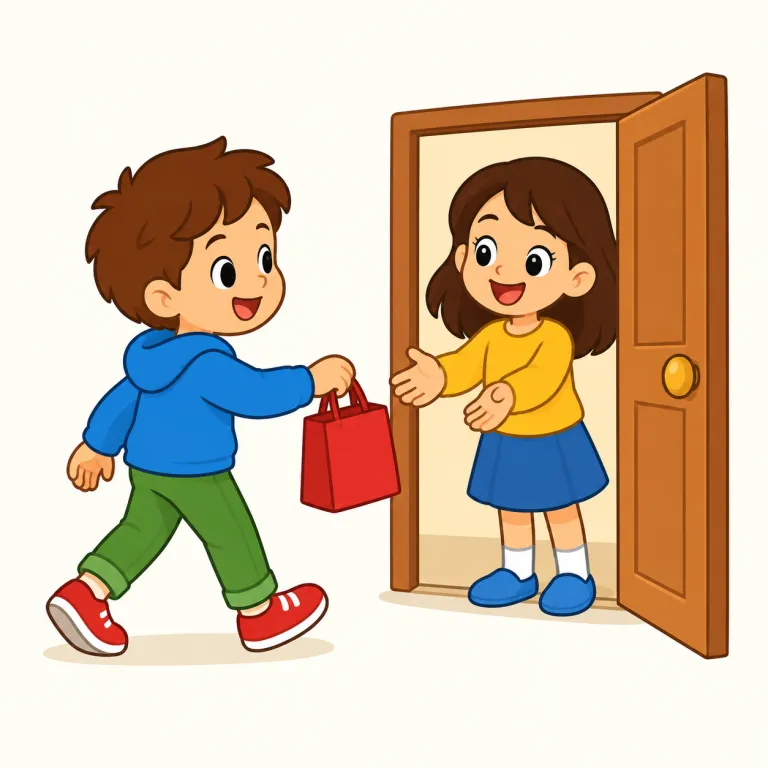
持ってくる
解説 Definition
bringing は bring(持ってくる、連れてくる)の現在分詞・動名詞です。物や人を話し手や目的の場所へ持ってくる、連れてくる動作を表します。
The present participle or gerund of “bring,” referring to carrying, taking, or accompanying a person or thing toward a particular place, person, or situation. It can describe an action in progress or the action considered as an activity.
覚え方のコツ Memory Tip
原形 bring に -ing をそのまま付けた現在分詞・動名詞で、bring の g と -ing の間に文字を足したり重ねたりしません。「話し手・聞き手や目的地の方へ運ぶ」が核で、bringing a bag、bringing food、bringing a friend のように物にも人にも使えます。
Form bringing by adding -ing directly to bring, without doubling or dropping any letters. Its central idea is carrying or accompanying someone or something toward a relevant person, place, or destination. Learn it through patterns such as “bringing a bag,” “bringing food,” and “bringing a friend.” It can appear in a progressive verb phrase, as in “He is bringing his bag,” or as a gerund, as in “Thank you for bringing the food.”
例文
He is bringing his bag.
彼は自分のかばんを持ってきています。
Thank you for bringing the food.
食べ物を持ってきてくれてありがとう。
My sister is bringing a friend to the party.
姉はパーティーに友だちを連れてきます。
bringing の類義語・関連語
類義語
対義語
紛らわしい語
bringing の語源・成り立ち Etymology
bringing は bring の現在分詞で、語源は古英語 bringan「運ぶ・連れて来る」、さらにゲルマン祖語にさかのぼります。-ing は「動作の進行中」を表し、bringer や upbringing も同根なので、「何かをこちらへ運んでくる動き」が核だと納得できます。
“Bringing” is formed by adding -ing directly to “bring,” without doubling or dropping a letter. “Bring” comes from Old English bringan, meaning “to carry, convey, or lead,” and has Germanic origins. The -ing ending allows the word to function in a progressive verb phrase or as a gerund. Its central idea remains movement toward a relevant person, place, or situation.
同じレベルの語彙をもっと
外部辞書で調べる
この英単語をクイズで覚えよう