weak
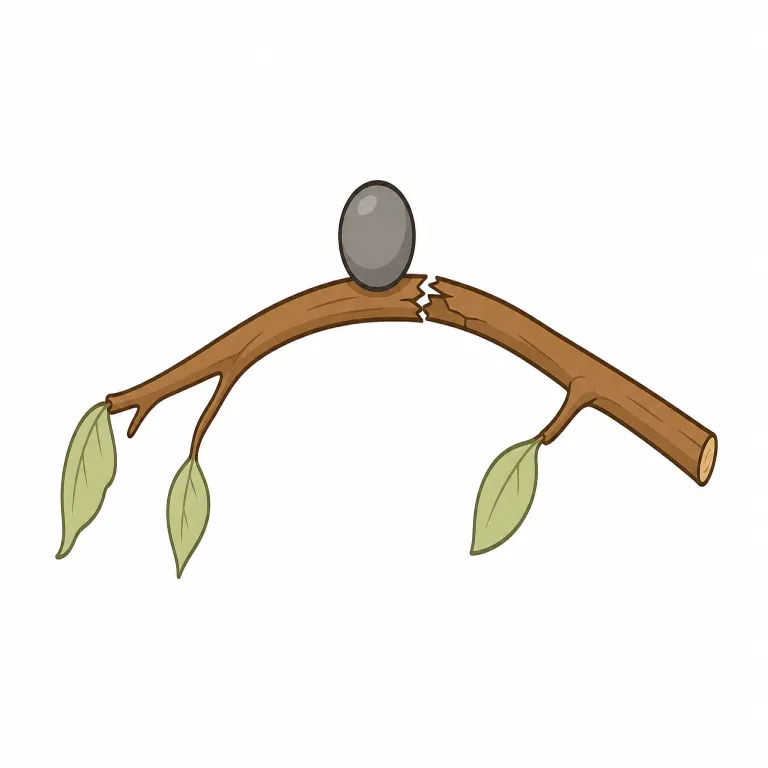
weak は英検4級・TOEIC 600レベルの英単語で、「弱い、弱い、不得意な」という意味があります。発音記号は /wiːk/ です。
意味一覧 (2件)
弱い
解説 Definition
力や強さが足りない状態をいいます。体力がない、体調が悪い、声や信号が弱い、議論や仕組みが弱いなど、具体的なものにも抽象的なものにも使えます。strong の反対として、「十分な力・勢い・効果がない」という感覚です。
Weak means not strong in body, power, effect, or quality. It can describe people, materials, arguments, signals, or performances. The meaning changes slightly by context, but it always suggests a lack of strength.
覚え方のコツ Memory Tip
weak は strong の反対としてまず軸を作ると覚えやすい語です。人の体力だけでなく、意志・議論・景気・信号・味まで「力が足りない」と感じるものに広く使えます。a weak body, a weak argument, a weak economy, weak coffee のように具体から抽象へ広がるのが記憶のフック。frail は体がか弱い、poor は質が悪い、soft は柔らかいで別物。weaken, weakness まで並べて覚えると定着しやすいです。
Learn `weak` next to its opposite, `strong`. Then build memory with common pairs such as `weak body`, `weak argument`, `weak economy`, and `weak coffee`. It is a flexible word, so the idea of "not enough strength" works as a strong memory key.
例文
My arm is weak.
私の腕は弱いです。
His voice is weak.
彼の声は弱々しいです。
He feels weak today.
彼は今日弱く感じます。
えいたんごクイズでの正答率
この語をはじめて出題された 37人 のうち 32人 が正解しました(86%)。
えいたんごクイズの回答から集計した独自データです。1人につき最初に出題されたときの1回だけを数えており、復習や2回目以降の回答、「わからない」と時間切れは含みません。 集計時点は 2026年9月19日 です。
弱い、不得意な
(意味 2)
解説 Definition
力や体力が足りない、強さがない、壊れやすいといった基本義のほか、能力や技能、ある分野について「弱い」「不得意だ」の意味でも使う。人の体質、物の強度、組織や成績の脆さなど、幅広い対象の弱さを表せる語。
Weak means not strong in body, power, or effect. It can describe a person, an object, an argument, or a result that lacks strength or force. It is also used for areas where someone is not skilled or confident.
覚え方のコツ Memory Tip
まず反対語の strong とセットで覚えると定着しやすい語です。人なら physically weak(体が弱い)、物なら a weak bridge(もろい橋)、中身なら a weak argument(説得力が弱い)というように、力・強度・内容の「弱さ」へ広く使えます。得意不得意では be weak in math の形が頻出。weak coffee のように「薄い・弱い味」にもなるので、「強さが足りない」が共通イメージ。week とつづりが紛らわしい点にも注意。
Learn it together with its opposite, `strong`. `Weak` can describe a person, an object, an argument, or even coffee, so the core idea is simply `not strong enough`. A useful pattern is `be weak in math`, which shows weakness in a subject. Also be careful not to confuse it with `week`.
例文
He is weak in math.
彼は数学が苦手だ。
Our team is weak this year.
今年、私たちのチームは弱い。
I am weak in English.
私は英語が苦手だ。
weak の類義語・関連語
weak を含む表現
句動詞・イディオムなど 3 件。クリックで各表現の詳細へ。
weak の語源・成り立ち Etymology
weak は古ノルド語 veikr や古英語 wac にさかのぼり、ゲルマン祖語では「曲がる・しなる」が核でした。関連語の German weich「柔らかい」や weaken を見ると、しっかり張れず曲がってしまう感覚から「弱い」になったと納得できます。
Weak comes from old Germanic words such as Old Norse veikr and Old English wac. The deeper root seems to have carried the idea of bending or being soft rather than firm. From that physical sense, the meaning developed into "not strong" in a general way. It is related in history to weaken and to German weich, meaning "soft."
同じレベルの語彙をもっと
英検4級の一覧へ →外部辞書で調べる
この英単語をクイズで覚えよう