failure
failure は英検準2級・TOEIC 730・TOEFL 60・IELTS 5.5レベルの英単語で、「失敗、故障、不全、失敗作、落伍者」という意味があります。発音記号は /ˈfeɪljɚ/ です。
意味一覧 (3件)
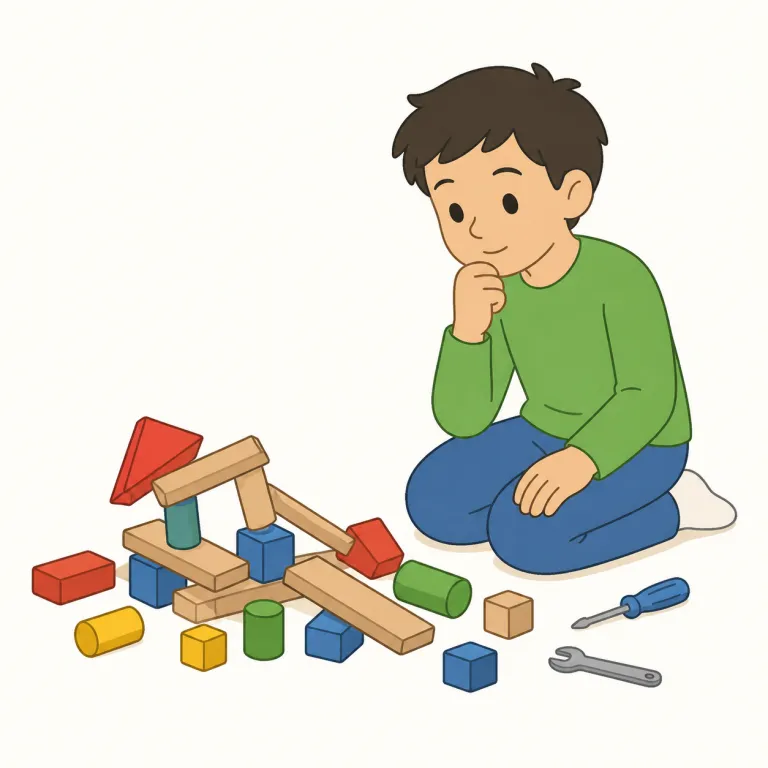
失敗
解説 Definition
何かを試みた結果、うまくいかず目標に到達できなかった状態を指します。行動や計画が期待した成果を出せなかった出来事のことです。そのような経験そのものやその結果も含まれます。
Failure is a lack of success in doing something or reaching a goal. It can describe a single unsuccessful attempt or a more general condition of not working properly. The word is common in school, business, technology, and personal situations.
覚え方のコツ Memory Tip
まず fail を知っていれば覚えやすい語です。failure は「failした結果そのもの」という名詞で、動詞 fail とセットで押さえると定着します。a failure は「失敗した物事・人」、failure は不可算で「失敗という状態」も表せます。mistake が一回の「間違い」なのに対し、failure は試み全体がうまくいかなかった感じで、より重い語。end in failure, fear of failure, business failure のようなまとまりで覚えると使う場面が浮かびます。
If you know `fail`, `failure` is the natural noun form. A `mistake` is often one wrong step, but `failure` sounds bigger, like the whole attempt did not succeed. That difference helps the word stay clear in your mind. Try remembering set phrases such as `end in failure` or `fear of failure`.
例文
Failure is not the end.
失敗は終わりではありません。
I learn from failure.
私は失敗から学びます。
This failure makes me sad.
この失敗で悲しくなります。
えいたんごクイズでの正答率
この語をはじめて出題された 45人 のうち 41人 が正解しました(91%)。
えいたんごクイズの回答から集計した独自データです。1人につき最初に出題されたときの1回だけを数えており、復習や2回目以降の回答、「わからない」と時間切れは含みません。 集計時点は 2026年9月19日 です。
故障、不全
(意味 2)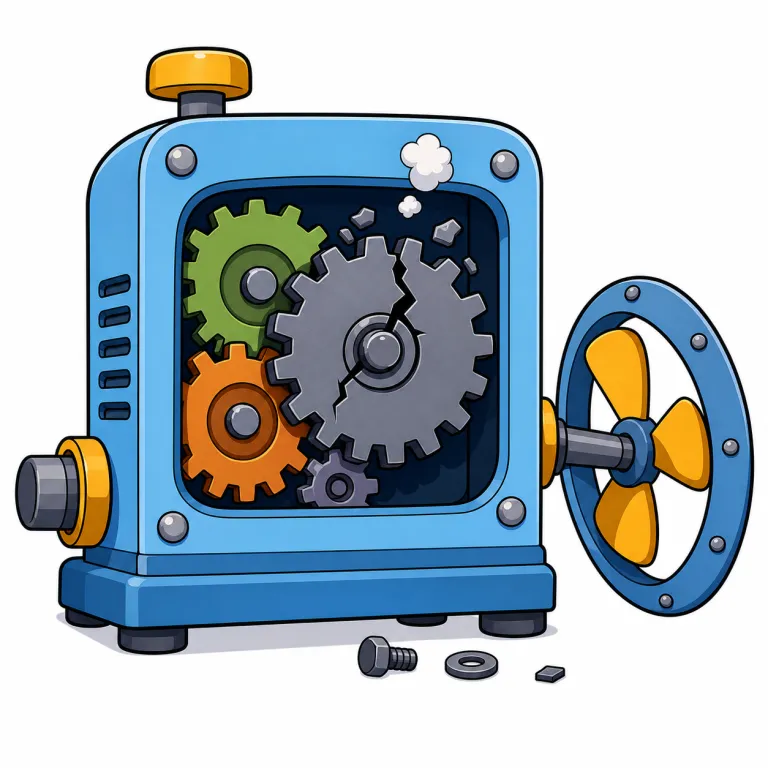
解説 Definition
機械・装置・制度・身体機能などが、正常に働かなくなることを表す名詞。単なる「失敗」ではなく、壊れることや働きが止まることを指し、engine failure や heart failure のように技術・医学の文脈でよく使う。突然の停止や深刻な機能低下にも使える。
A condition or event in which a machine, system, or body organ stops working properly. It can involve a complete stop or a serious reduction in its ability to perform its function.
覚え方のコツ Memory Tip
まず fail を知っていれば覚えやすい語です。failure は「failした結果そのもの」ですが、機械や身体については「うまく働くことに失敗した状態」、つまり故障・不全を表します。engine failure はエンジンが役目を果たせなくなること、heart failure は心臓の機能不全。a failure が「失敗した人・物」を指す場合とは違い、ここでは機能が止まる・落ちる感じが中心です。power failure, system failure, organ failure のまとまりで覚えると使う場面が浮かびます。
Connect failure with fail: something cannot do the job it is supposed to do. Remember engine failure, power failure, and organ failure as phrases about a function stopping or becoming inadequate.
例文
The lights went out during a power failure.
停電で明かりが消えた。
The car stopped after an engine failure.
エンジンの故障で車が止まった。
The doctor treats his heart failure.
医師が彼の心不全を治療している。
失敗作、落伍者
(意味 3)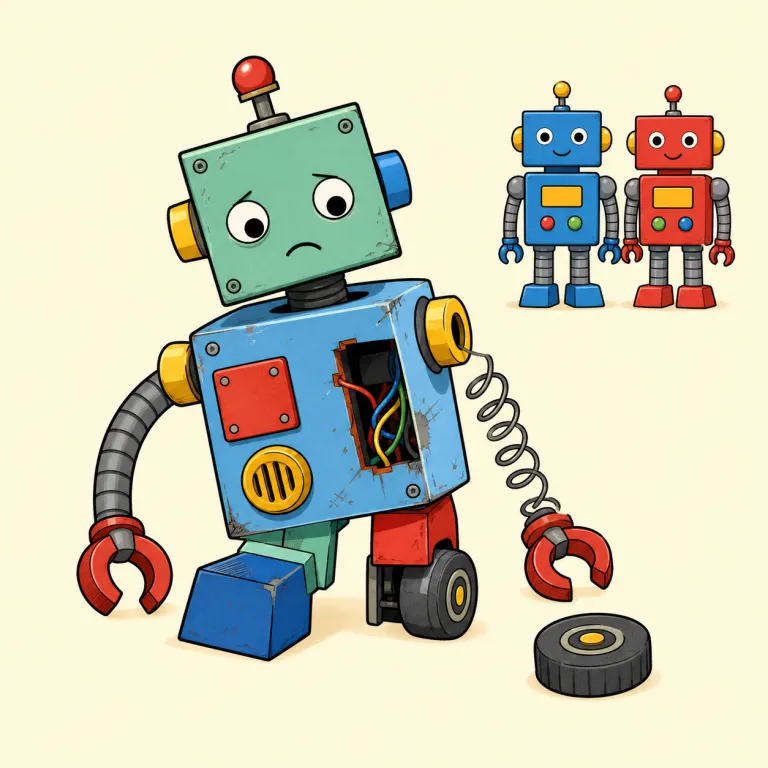
解説 Definition
人や物について、期待された役割や成果を果たせなかったものを指す名詞。製品・計画・作品なら「失敗作」、人なら社会的にうまくいかなかった人という響きになり、かなり厳しく侮蔑的に使われることがある。自分を a failure と呼ぶと、強い自己否定を表す。
A person or thing judged to have been unsuccessful or unable to meet expectations. Applied to a person, it can be a harsh insult or express strong disappointment in oneself.
例文
The first version of the product was a complete failure.
その製品の初期版は完全な失敗作だった。
He felt like a failure at school.
彼は学校で自分を落ちこぼれだと感じていた。
The movie was a commercial failure.
その映画は興行的には失敗だった。
failure の類義語・関連語
failure の語源・成り立ち Etymology
アングロ・フランス語 failer(欠ける・不足する)に由来し、さらにラテン語 fallere(欺く・誤らせる)に遡る。接尾辞 -ure は動作の結果を示す。関連語: fail(失敗する)、fallacy(誤謬)。「期待を裏切る結果」が原義。
Failure comes from Anglo-French failer, later linked to Latin fallere, meaning "to deceive" or "to mislead." The ending -ure shows a result or condition. The idea developed into a result that falls short of what was hoped for or expected, and related words include fail and fallacy.
同じレベルの語彙をもっと
英検準2級の一覧へ →外部辞書で調べる
この英単語をクイズで覚えよう