fail
fail は英検4級・TOEIC 600レベルの英単語で、「失敗する、不合格になる、〜できない」という意味があります。発音記号は /feɪl/ です。
意味一覧 (3件)
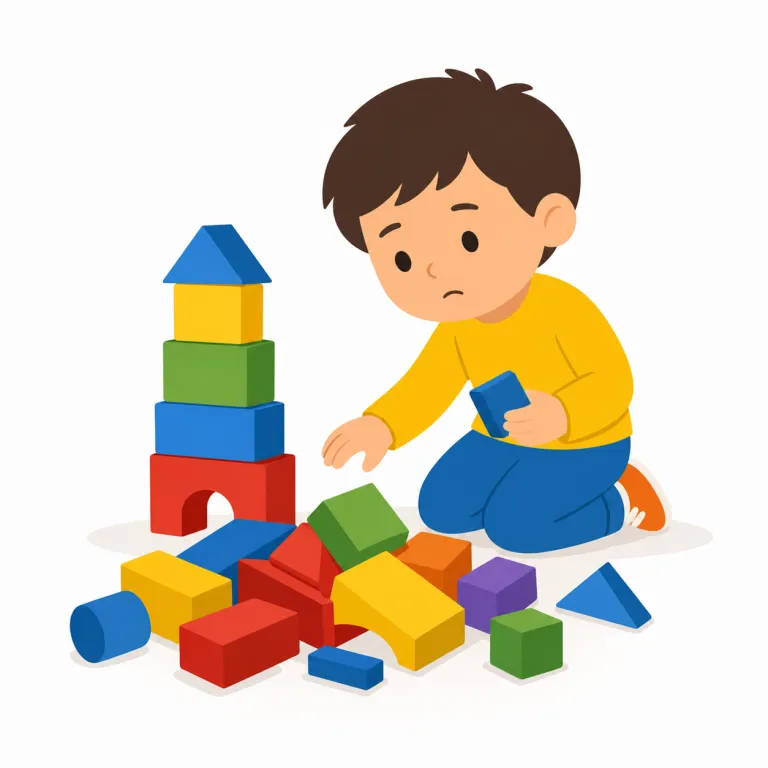
失敗する
解説 Definition
何かを試みたが、目的を達成できずうまくいかないときに使う。計画・実験・事業・作戦などが期待どおりの結果にならない文脈でよく用いられ、試験に落ちる意味とは別の一般的な用法。
To be unsuccessful in an attempt or produce a result that does not meet its goal. This verb often describes plans, experiments, or projects that do not work as intended.
覚え方のコツ Memory Tip
fail は「期待された結果に届かず、計画が倒れる」と考えると覚えやすい語です。試験で pass の反対になる用法もありますが、この語義では plan failed, experiment failed, business failed のように、物事そのものがうまくいかなかった感覚を固定します。succeed の反対として覚えると、「不合格になる」だけでなく「失敗する」が残ります。名詞 failure も一緒に覚えると記憶が強まります。
Picture a plan collapsing because it never reaches its intended result. Remember fail as the opposite of succeed, using phrases such as the plan failed or the experiment failed. Link it with the noun failure to reinforce the idea of an unsuccessful outcome.
例文
I fail at this game.
私はこのゲームで失敗します。
My plan failed yesterday.
私の計画は昨日失敗に終わりました。
They fail in the race.
彼らはレースで失敗します。
不合格になる
(意味 2)
解説 Definition
試験、審査、授業などで必要な基準を満たせず、不合格になることを表します。目的を達成できないという一般的な「失敗する」よりも、評価の結果として落ちるという意味が前面に出る用法です。
To fail means to not succeed in doing something or to not reach the required standard. It is commonly used for tests, plans, attempts, or responsibilities. It can also mean that something stops working properly.
覚え方のコツ Memory Tip
まず pass の反対として固定すると覚えやすい語です。試験なら pass the exam / fail the exam、授業なら fail a class の形でセットにすると、単なる「失敗する」ではなく「必要な基準に届かず不合格になる」感覚が残ります。名詞 failure も一緒に覚えると記憶が強まります。なお fail は fail to do で「〜できない」の意味にも広がるので、評価で落ちる用法と、行動・達成ができない用法を分けて整理すると混同しにくいです。
Fix it in your mind as the opposite of `pass`: pass an exam, fail an exam. That helps you remember it as not reaching the needed standard, not just making a mistake. Learn `failure` with it, and keep `fail to do` as a separate pattern meaning you could not do something.
例文
I failed the test yesterday.
私は昨日、テストに不合格になりました。
He failed the math test.
彼は数学のテストに不合格になりました。
She failed the English test.
彼女は英語のテストに不合格になった。
えいたんごクイズでの正答率
この語をはじめて出題された 41人 のうち 34人 が正解しました(83%)。
えいたんごクイズの回答から集計した独自データです。1人につき最初に出題されたときの1回だけを数えており、復習や2回目以降の回答、「わからない」と時間切れは含みません。 集計時点は 2026年9月19日 です。
〜できない
(意味 3)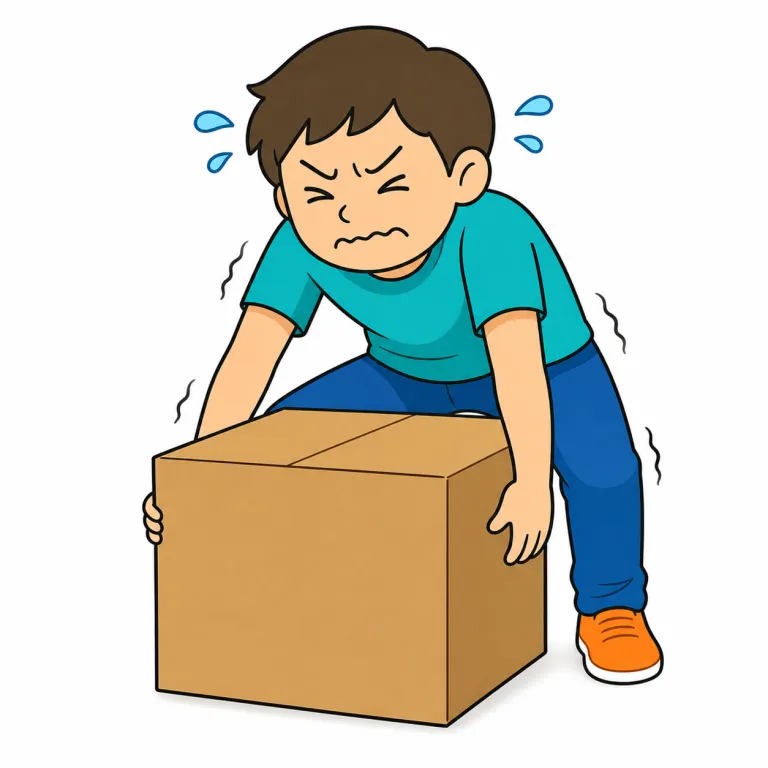
解説 Definition
fail to do の形で、するべきことや期待されたことをしない、または実現できないことを表す。少し硬めの表現で、気づかない・守れない・終えられないなどの文脈でよく使われる。
To not do something that is required or expected, or to be unable to accomplish it. In this somewhat formal use, the verb is followed by a to-infinitive naming the action left undone.
覚え方のコツ Memory Tip
fail は fail to + 動詞の形で「〜できない、〜しそこなう」と覚えるのが実用的です。しようとしたこと、するべきだったことが達成されず、期待に届かない場面を思い浮かべます。fail to notice は「気づかない」、fail to finish は「終えられない」、fail to keep a promise は「約束を守れない」。単なる can’t よりも、必要・期待・予定があったのに実現しなかった感じが出ます。「fail の直後は to do」と一まとまりにし、失敗した行動を後ろに置く型で覚えると定着しやすいです。
Learn fail to plus a verb as one pattern for an expected action that does not happen. Connect fail to notice with missing something and fail to keep a promise with leaving a commitment unfulfilled. Focus on the gap between what was expected and what actually happened.
例文
She failed to notice the error.
彼女はその誤りに気づけなかった。
I failed to finish the report on time.
私は時間どおりに報告書を終えられなかった。
He failed to keep his promise.
彼は約束を守れなかった。
fail の類義語・関連語
対義語
fail の語源・成り立ち Etymology
ラテン語 fallere(欺く、期待を裏切る)が古フランス語 faillir を経て英語に入った。「期待を裏切る→思った結果にならない→失敗する」と意味が変化。試験に落ちる意味もあるが、計画や実験が期待を裏切ってうまくいかない時にも使う。関連語: fallacy(誤謬)、fault(過失)。falseも同根で「偽り」の意。
The word comes from Latin fallere, meaning to deceive or disappoint expectations, through Old French faillir. Its meaning developed toward not achieving the expected result.
同じレベルの語彙をもっと
英検4級の一覧へ →外部辞書で調べる
この英単語をクイズで覚えよう