false
false は英検準2級レベルの英単語で、「誤った、偽の」という意味があります。発音記号は /fɔːls/ です。
意味一覧 (2件)
誤った
解説 Definition
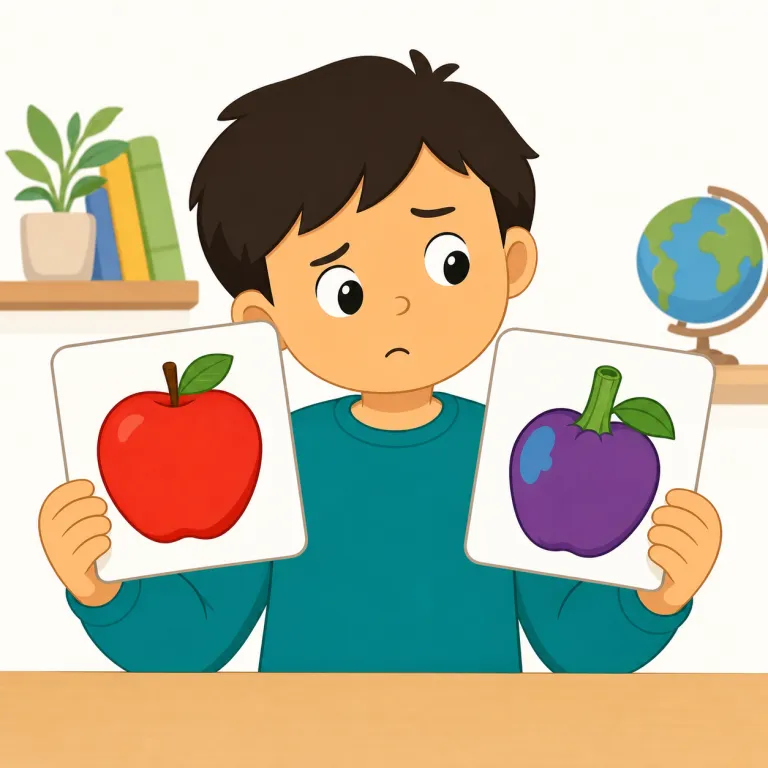
false がこの意味で使われると、事実・判断・前提・結論などが正しくなく、内容が現実や真実と一致しないことを表す。人をだますための「偽の」より、単に誤っていることを述べる場面でよく使う。ニュース、説明、推測などにも使え、客観的に見て間違いだと示す語。
Not correct or consistent with the facts. This adjective describes statements, beliefs, assumptions, or conclusions whose content is untrue.
覚え方のコツ Memory Tip
true の反対としてまず固定すると覚えやすい語です。テストの true/false、a false statement(誤った発言)、false information などで繰り返し見るので、「事実に合わない」が中心義。fake が「見せかけの偽物」に寄りやすいのに対し、false は「内容が誤り・虚偽」という響きが強め。false alarm, false hope のように「本物ではない/当てにならない」と広がる使い方や、not true を一語で言う形だと意識すると定着します。
Remember false as the opposite of true on a test. Connect "a false statement" and "false information" with content that does not match the facts.
例文
This answer is false.
この答えは誤っています。
The story is false.
その話は事実ではありません。
His answer was false.
彼の答えは誤っていました。
偽の
(意味 2)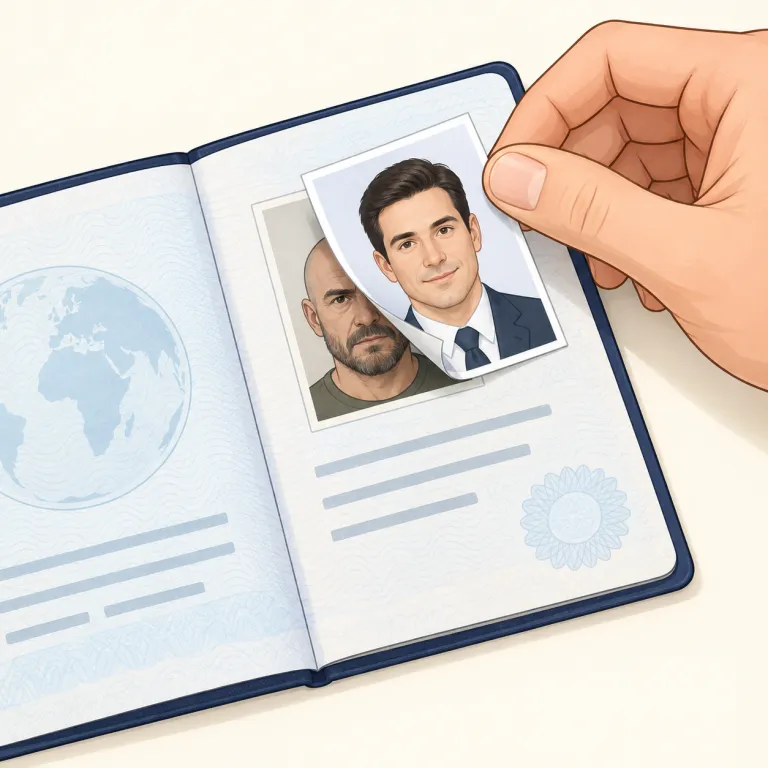
解説 Definition
名前・身分証・署名などが本物ではなく、別のものに見せかけて作られたり使われたりしていることを表す形容詞です。
False means not true, not correct, or not real. It can describe statements, information, beliefs, or appearances. In some contexts, it also means artificial or copied rather than natural or original.
覚え方のコツ Memory Tip
この語義の false は、名前や身分証などが本物ではなく、別のものに見せかけられている状態を表します。false name(偽名)、false identity(偽の身分)、false passport(偽造パスポート)を一組で覚えると、この用法を捉えやすくなります。「答えが誤っている」という用法とは分けて、本物らしく見えても実物ではない場面を思い浮かべましょう。
Fix it in your mind as the opposite of `true`. `False` often goes with words like `statement`, `information`, `alarm`, and `hope`, so it is easy to remember through common pairs. Compared with `fake`, `false` more often focuses on something being wrong or untrue.
例文
He used a false name at the hotel.
彼はホテルで偽名を使いました。
The spy carried a false passport.
そのスパイは偽造パスポートを持っていました。
The painting had a false signature.
その絵には偽の署名がありました。
えいたんごクイズでの正答率
この語をはじめて出題された 33人 のうち 25人 が正解しました(76%)。
えいたんごクイズの回答から集計した独自データです。1人につき最初に出題されたときの1回だけを数えており、復習や2回目以降の回答、「わからない」と時間切れは含みません。 集計時点は 2026年9月19日 です。
false の類義語・関連語
false の語源・成り立ち Etymology
false は古フランス語 fals を経て、ラテン語 falsus「偽の・誤った」にさかのぼります。語根は fallere「欺く」で、「人を真実からそらすもの」という感覚から「偽」の意味に育ちました。関連語は fallacy、fail。
The word came through Old French fals from Latin falsus, meaning untrue or incorrect. It is connected with Latin fallere, meaning to deceive.
同じレベルの語彙をもっと
英検準2級の一覧へ →外部辞書で調べる
この英単語をクイズで覚えよう