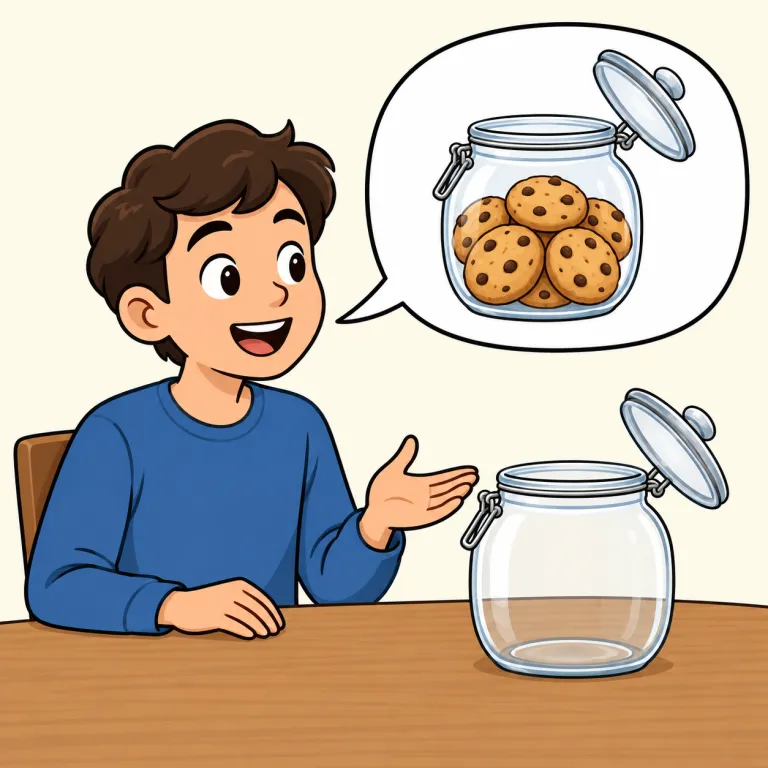
不実な、忠実でない
adjective 形容詞人や配偶者、信念などに忠実でなく、裏切っている状態を表します。主に be untrue to ... の形で用い、単に発言が事実でないのではなく、関係上の不誠実さや信条への背反を示します。
事実と異なり、真実ではないことを表す形容詞です。発言、情報、うわさ、説明などが実際と合っていない場合に使われ、故意かどうかを問わず「本当ではない」点を示します。法的・公的な文脈では、不正確な陳述や記述として問題になることもあります。
Untrue means not true, false, or not based on facts. It is often used for statements, beliefs, or stories, and it can sound slightly formal compared with simply saying false.
untrue はまず true「本当の」を軸に覚えると早い。先頭の un- は unhappy, unfair などと同じ「反対・否定」なので、「true ではない」→「事実ではない」と素直に取れる。false と近いが、false は断定的で強く、untrue は「正しくない」「本当とは言えない」と少しやわらかく響くことがある。an untrue story, untrue rumor のように、話・うわさ・説明が事実とずれている場面で結びつけ、逆に true を見たら反対語として untrue を思い出せるようにすると定着しやすい。
Remember `untrue` with set phrases like `untrue claim`, `untrue statement`, and `untrue allegation`. It sounds stronger and more formal than simply `wrong` or `incorrect`. It is usually about whether words or claims match the facts.
The witness was charged with making untrue statements under oath.
その証人は宣誓の上で虚偽の陳述をしたとして告発された。
The rumor turned out to be completely untrue and had damaged his reputation unfairly.
その噂は完全に虚偽であり、彼の評判を不当に傷つけていたことが判明した。
She was hurt to discover that his claims had been untrue all along.
彼の主張が初めから事実ではなかったと知り、彼女は傷ついた。
文脈によって、次の意味でも使われます。
人や配偶者、信念などに忠実でなく、裏切っている状態を表します。主に be untrue to ... の形で用い、単に発言が事実でないのではなく、関係上の不誠実さや信条への背反を示します。
「untrue」は un-「〜でない」+ true から成り、true は古英語 triewe「忠実な・信頼できる」に由来します。truth や trust と同根で、もとは「事実でない」だけでなく「誠実さに欠ける」が核だと分かると、虚偽の感触がつかめます。
Untrue is made from un- "not" and true. True comes from Old English triewe, meaning "faithful" or "trustworthy," and it is related to truth and trust. Because of that history, untrue originally carried not only the idea of being false, but also of lacking honesty or faithfulness.
この英単語をクイズで覚えよう