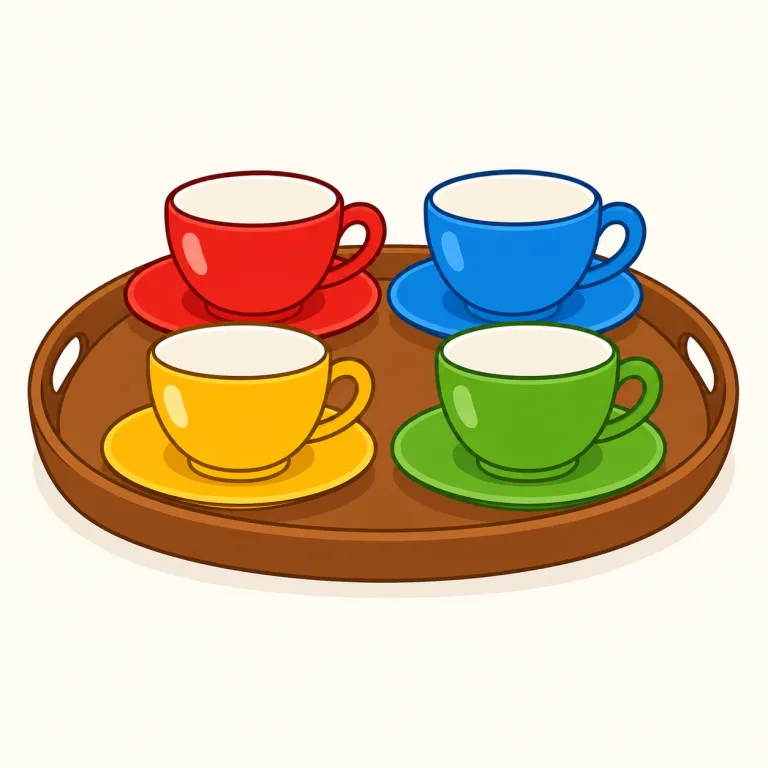
セット
解説 Definition
set は、関連するものや揃いのものを一つにまとめた「セット・一揃い」を表す名詞です。数学では「集合」、テニスなどでは試合を構成する一区切りも指します。
A set is a group of related or matching things regarded as one unit. It can also mean a collection of distinct elements in mathematics or one major division of play in sports such as tennis.
使い方 Usage
- a set of cups「カップ一揃い」のように a set of+中身を示す名詞で使います。複数のセットなら two sets of cups です。 Use a set of + a noun naming the contents, as in a set of cups. For multiple sets, say two sets of cups.
- 数学では an empty set「空集合」、テニスでは the first set「第1セット」のように使います。 In mathematics, an empty set names a set with no elements. In tennis, the first set names the first major division of play.
覚え方のコツ Memory Tip
動詞 set「置く・配置する」から、一緒に置かれたものが「一揃い」になると連想しましょう。食器、数学の要素、試合の区切りを、それぞれ一つのまとまりとして捉えるイメージです。
Connect set with the verb meaning put or arrange: things placed together form one set. Picture matching cups, mathematical elements, or a division of a match as one defined unit.
例文
I bought a set of cups.
私はカップのセットを買いました。
She won the first set.
彼女は第1セットを取りました。
An empty set has no elements.
空集合には要素がありません。
set の類義語・関連語
対義語
派生語
紛らわしい語
set を含む表現
句動詞・イディオムなど 27 件。クリックで各表現の詳細へ。
- set forth 出発する L10
- set one's heart on 強く望む L10
- set up 準備する、設置する、開設する L10
- set up 仕組む L10
- set up 引き合わせる L10
- set up shop 商売を始める L10
- set down 書き留める L12
- set the wheels in motion 動き出させる L13
- set a precedent 前例を作る L14
- set aside 確保する L14
- set aside 脇に置く L14
- set aside 棚上げする L14
- set aside 無効にする L14
- set off 出発する L14
- set off 作動させる L14
- set off 引き起こす L14
- set off 引き立てる L14
- set back 遅らせる L18
- set back 費用がかかる L18
- set out 出発する L18
- set out 提示する L18
- set out 並べる L18
- set out 着手する L18
- set at 定める L19
- set forth 述べる L25
- set in 始まる L26
- set tongues wagging 人々のうわさの種になる L28
set の語源・成り立ち Etymology
古英語 settan「置く、据える」に由来し、ゲルマン祖語 *satjaną「座らせる」が起源。sit(座る)の使役形で「座らせる→配置する」が原義。名詞では「一揃いに配置されたもの」→「セット」に。関連語: sit(座る)、settle(定住する)、seat(座席)。
Set is historically connected with Old English settan, meaning “to put, place, or cause to sit,” from a Germanic causative formation related to sit. The noun developed through the idea of things placed or arranged together and thus forming a collection or complete group. This history also helps explain its broad range of modern senses, from matching household objects to mathematical collections and divisions of a sporting contest.
同じレベルの語彙をもっと
外部辞書で調べる
この英単語をクイズで覚えよう