terrible
terrible は英検3級レベルの英単語で、「ひどい、恐ろしい」という意味があります。発音記号は /ˈtɛrəbəl/ です。
意味一覧 (2件)
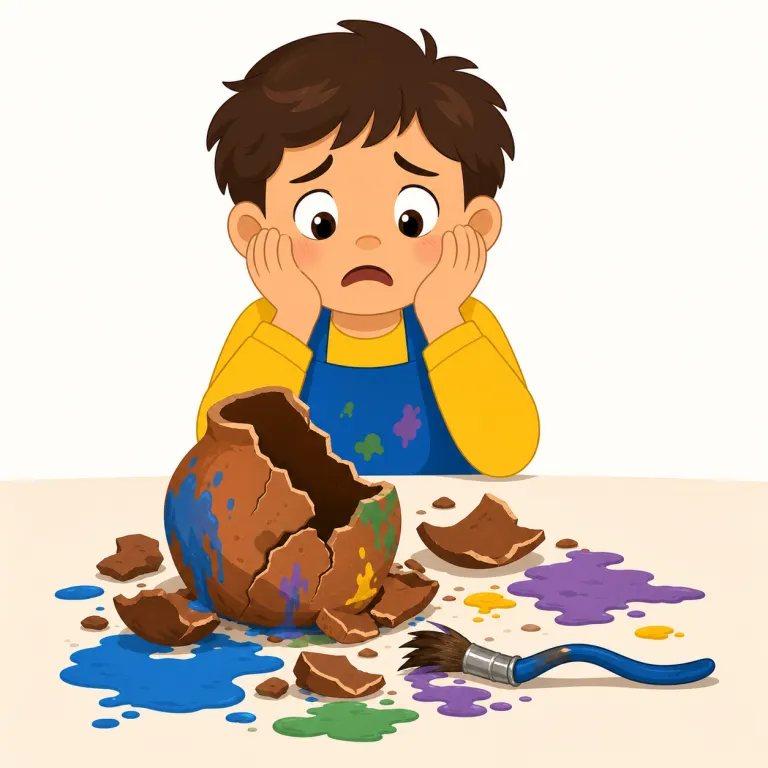
ひどい
解説 Definition
ひどいとは、非常に悪い、不快な、または深刻な状態を表します。品質が低い、問題が大きいという意味です。
Terrible means very bad, unpleasant, or serious. It is used for things like weather, accidents, mistakes, or feelings when they are much worse than normal. In everyday English, it can also be used strongly for emphasis.
覚え方のコツ Memory Tip
terror や terrify と同じ terr- の仲間だと押さえると残りやすい語。もともと「恐怖を与える」側の強い語感があり、bad より一段強く「ひどい・深刻だ」を表す。a terrible mistake, terrible weather, feel terrible のように、失敗・天気・体調の悪さで頻出。be terrible at math なら「数学がひどく苦手」。terrific は形が似るのに「すごく良い」なので逆方向の語としてセットで注意。
Notice the `terr-` family: `terror`, `terrify`, `terrible`. That gives it a strong feeling, much stronger than just `bad`. Also watch the contrast with `terrific`, which looks similar but goes in the opposite direction.
例文
This soup tastes terrible.
このスープはひどい味です。
The room smells terrible.
その部屋はひどいにおいがします。
I feel terrible today.
今日は気分がひどく悪いです。
えいたんごクイズでの正答率
この語をはじめて出題された 35人 のうち 29人 が正解しました(83%)。
えいたんごクイズの回答から集計した独自データです。1人につき最初に出題されたときの1回だけを数えており、復習や2回目以降の回答、「わからない」と時間切れは含みません。 集計時点は 2026年9月19日 です。
恐ろしい
(意味 2)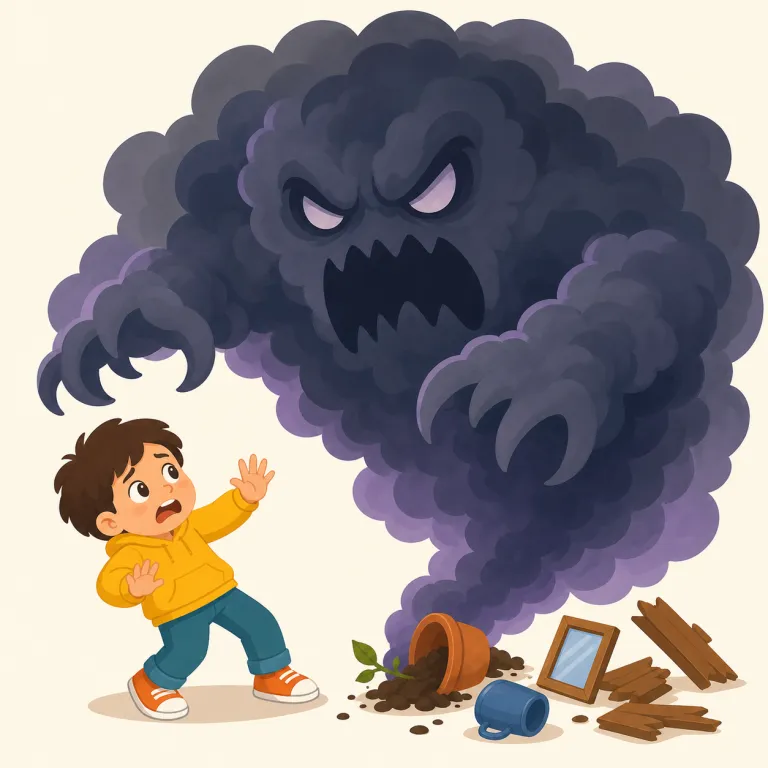
解説 Definition
非常に悪い、不愉快なこと。恐ろしく、不安や恐怖を起こさせる感じ。
Terrible means very bad, unpleasant, or serious. It is used for things that cause strong negative feelings, such as pain, damage, fear, or disappointment. In informal English, it can also simply mean very poor in quality.
覚え方のコツ Memory Tip
terrible は「恐ろしい」だけでなく、日常では「ひどい」「最悪の」という意味で非常によく出ます。bad をぐっと強めた語として置くと覚えやすく、a terrible mistake, terrible weather, terrible news, feel terrible のように「出来事・状況・気分」のどれにも付きます。scary は「怖い対象」、awful は「ひどい」、terrible はその両方にまたがる感覚。terrific とつづりが近いのに意味はかなり違うので要注意。terribly が「ひどく」「とても」になる形も一緒に覚えると定着しやすいです。
Think of it as a stronger word than `bad`. You often hear `a terrible mistake`, `terrible weather`, or `feel terrible`, so it works for events, conditions, and feelings. Watch out for `terrific`, because the spelling is close but the meaning is very different. You can also remember `terribly` as the adverb form.
例文
The terrible storm destroyed many buildings.
その恐ろしい嵐は多くの建物を破壊した。
She had a terrible dream last night.
彼女は昨夜、恐ろしい夢を見た。
It was a terrible accident.
それは恐ろしい事故だった。
terrible の類義語・関連語
terrible の語源・成り立ち Etymology
ラテン語 terribilis(恐怖を引き起こす)から。語根 terrēre は「怖がらせる」の意で、印欧語根 *tres-(震える)に遡る。関連語:terror(恐怖)、terrify(怯えさせる)。元は「震え上がるほど恐ろしい」が原義で、現代では「ひどい、質が悪い」と意味が弱化した。
"Terrible" comes from Latin "terribilis," meaning "causing fear," from the verb "terrere," "to frighten." That same root appears in English words like "terror" and "terrify." It first meant something truly frightening, but later also came to mean simply very bad or poor in quality.
同じレベルの語彙をもっと
英検3級の一覧へ →外部辞書で調べる
この英単語をクイズで覚えよう