恐怖による威圧、暴力
noun 名詞人々を怖がらせて従わせるために用いられる暴力や脅迫を指す。a campaign of terror や rule by terror のように使い、個人の感情ではなく、恐怖を意図的に生み出す行為や支配方法を表す。
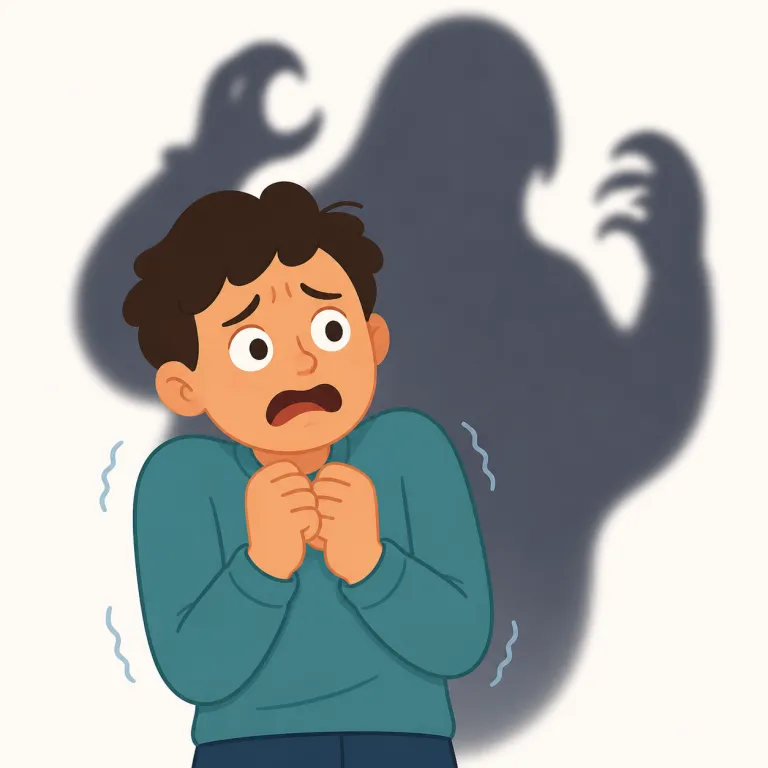
terror は英検準2級レベルの英単語で、「恐怖」という意味があります。発音記号は /ˈtɛrə/ です。
命の危険や強い脅威を感じたときに生じる、非常に激しい恐怖や戦慄を指す名詞。単なる不安よりはるかに強く、体がすくむような反応やパニックを伴うことが多い。災害、暴力、悪夢のような体験に対する圧倒的なおそろしさを表す。
Terror is an extremely strong feeling of fear. It is often used for situations that are shocking, dangerous, or violent. Compared with ordinary fear, terror sounds stronger and more dramatic.
terror は terrible, terrify と同じ terr- の仲間として、"恐ろしさの強い語群"でまとめて覚えると残りやすいです。fear が広い意味の「恐れ」なのに対し、terror は命の危険や暴力を前にして体がすくむレベルの激しい恐怖。horror は「ぞっとする・気味悪い」寄りですが、terror は切迫した脅威が中心です。in terror, a terror attack, strike terror into people などの組み合わせごと覚えると実戦で出しやすくなります。
Group it with `terrible` and `terrify`: they all share the strong `terr-` feeling. `Terror` is much stronger than ordinary `fear`, often used for extreme danger or violence. Useful collocations are `in terror`, `a terror attack`, and `strike terror into people`.
Terror fills the dark room.
恐怖が暗い部屋を満たす。
He felt terror when the dog attacked.
犬に襲われたとき、彼は強い恐怖を感じた。
Her face shows great terror.
彼女の顔には強い恐怖が表れている。
文脈によって、次の意味でも使われます。
人々を怖がらせて従わせるために用いられる暴力や脅迫を指す。a campaign of terror や rule by terror のように使い、個人の感情ではなく、恐怖を意図的に生み出す行為や支配方法を表す。
周囲を困らせる手に負えない人、特にいたずら好きな子どもを指す口語表現。a little terror のように使われ、本当に恐ろしい人物ではなく、迷惑だが時には愛情も込めた評価を表す。
ラテン語 terror「大きな恐怖」、動詞 terrere「怖がらせる」から派生。フランス革命期の恐怖政治(Reign of Terror)で政治用語として定着した。関連語: terrible(恐ろしい)、terrify(怖がらせる)。「震え上がらせるもの」が原義。
Terror comes from Latin terror, meaning "great fear," from terrere, "to frighten." Related English words include terrible and terrify. The original sense was something that makes people shake with fear, and it later became a strong word for extreme fear and, in history, for political fear as well.
この英単語をクイズで覚えよう