gene
gene は英検2級・TOEIC 730・TOEFL 60・IELTS 5.5レベルの英単語で、「遺伝子」という意味があります。発音記号は /dʒiːn/ です。
遺伝子
解説 Definition
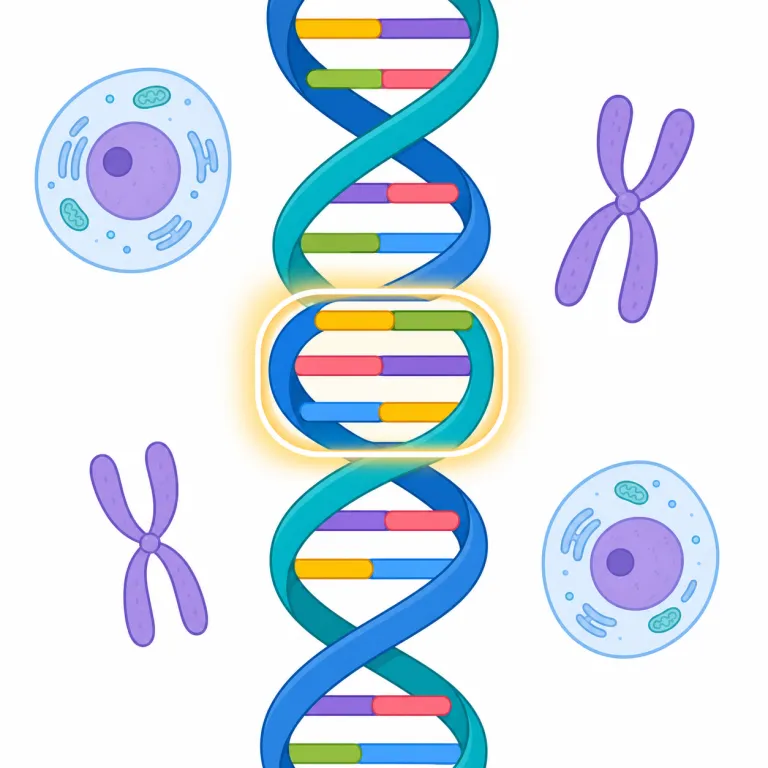
生物の特性や性質を親から子へ受け継ぐ情報を持つ、細胞の中の物質です。DNAの一部で、遺伝を担当する基本単位です。
A gene is a small unit in a living thing that carries information from parents to children. Genes affect traits such as eye color, height, and some health conditions. The word is mainly used in biology, medicine, and discussions of heredity.
覚え方のコツ Memory Tip
gene は genetics(遺伝学), genetic(遺伝の)の芯になる最重要語として覚えると定着しやすいです。まず「DNAの中にある小さな設計情報の単位」と一枚絵で持つこと。会話では in your genes(生まれつきだ), gene expression(遺伝子発現), gene editing(遺伝子編集)などで頻出します。genetic は形容詞、gene は名詞、genome は「遺伝情報全体」なので混同しないようにすると整理しやすいです。
Use word family memory: `gene`, `genetic`, and `genetics` all belong together. Think of `gene` as the small core word, and the others grow from it. Also keep the grammar clear: `gene` is the thing, while `genetic` describes it.
例文
A gene comes from your parents.
遺伝子は親から受け継がれます。
This gene gives blue eyes.
この遺伝子は青い目を与えます。
Children get many genes from their parents.
子どもは親から多くの遺伝子を受け継ぎます。
えいたんごクイズでの正答率
この語をはじめて出題された 42人 のうち 30人 が正解しました(71%)。
えいたんごクイズの回答から集計した独自データです。1人につき最初に出題されたときの1回だけを数えており、復習や2回目以降の回答、「わからない」と時間切れは含みません。 集計時点は 2026年9月19日 です。
gene の類義語・関連語
紛らわしい語
gene の語源・成り立ち Etymology
ギリシャ語 génos(生まれ、種族)に由来し、ラテン語 genus を経て1911年にデンマークの遺伝学者ヨハンセンが造語した。「生み出すもの」が原義で、遺伝情報の単位を表す。関連語:genetics(遺伝学)、generation(世代)。「生む」を意味する印欧語根 *ǵenh₁- が核にある。
Gene was created in 1911 by the Danish scientist Wilhelm Johannsen. He formed it from Greek genos, meaning "birth," "race," or "kind," a root also seen in genetics, genus, and generation. The word was made to name the basic unit that produces inherited traits, keeping the older idea of birth and origin.
同じレベルの語彙をもっと
英検2級の一覧へ →外部辞書で調べる
この英単語をクイズで覚えよう