organic
organic は英検2級・TOEIC 730・TOEFL 60・IELTS 5.5レベルの英単語で、「有機の、有機栽培の」という意味があります。発音記号は /ɔːrˈɡænɪk/ です。
意味一覧 (2件)
有機の
解説 Definition
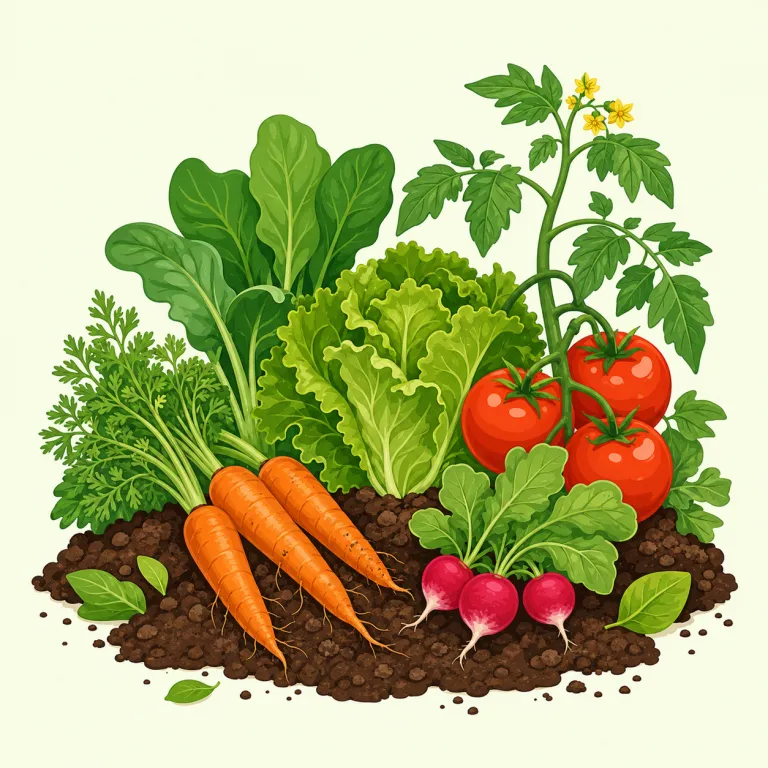
「有機の」は、生命体や炭素化合物に関係することを表します。化学では organic chemistry「有機化学」のように、炭素を含む化合物を扱う分野で使われます。食品や農業では、化学肥料や農薬の使用を避けた栽培・生産方法を指すこともあります。
Organic describes something produced naturally without many artificial chemicals, especially in farming and food. In science, it can also refer to substances related to living things, so the meaning depends on the context.
覚え方のコツ Memory Tip
organ, organism を知っていると覚えやすい語。まず「生き物の体や生命活動に近いもの」という芯を置くと、organic は「人工的に薬品で作り込んだ感じ」より「自然な育ち方・自然由来」の側へまとまって記憶できる。特に organic food, organic vegetables, organic farming の形で頻出。natural と近いが、organic はとくに食品や農業で「化学肥料・農薬を避けた」という具体的な含みが強い。化学では organic chemistry(有機化学)でもよく見るので、その用法も一緒に結びつけると忘れにくい。
Link `organic` to `organ` and `organism`, which give a feeling of living things and natural growth. You will often see it in `organic food`, `organic vegetables`, and `organic farming`. It is also useful to remember `organic chemistry` as a common fixed phrase.
例文
This is organic milk.
これは有機牛乳です。
We eat organic rice.
私たちは有機のお米を食べます。
We grow organic carrots in our garden.
私たちは庭で有機栽培のニンジンを育てます。
えいたんごクイズでの正答率
この語をはじめて出題された 57人 のうち 55人 が正解しました(96%)。
えいたんごクイズの回答から集計した独自データです。1人につき最初に出題されたときの1回だけを数えており、復習や2回目以降の回答、「わからない」と時間切れは含みません。 集計時点は 2026年9月19日 です。
有機栽培の
(意味 2)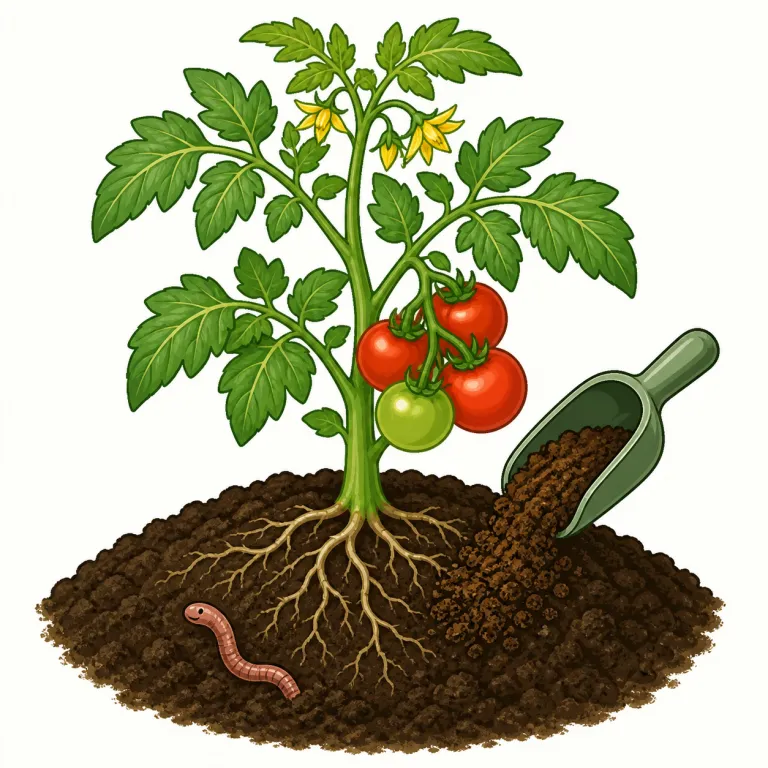
解説 Definition
食品や農産物が、化学肥料や合成農薬をできるだけ使わない基準で育てられていることを表す語です。野菜、果物、牛乳、コットン製品などの表示でよく使われ、化学の「有機の」とは文脈が異なります。
Produced according to farming standards that restrict the use of synthetic fertilizers and pesticides. This adjective commonly appears on labels for food and agricultural products, including vegetables, milk, and cotton.
例文
I buy organic vegetables at the market.
私は市場で有機栽培の野菜を買います。
This store sells organic milk and eggs.
この店ではオーガニックの牛乳や卵を売っている。
They buy organic food for their children.
彼らは子どもたちのためにオーガニック食品を買います。
organic の類義語・関連語
organic の語源・成り立ち Etymology
ラテン語 organicus、ギリシャ語 organikos(器官の)から。語根 organon は「道具・器官」を意味する。生命体の器官に関わる→「有機の」へ発展した。関連語:organ(器官)、organism(有機体)。生き物の体の仕組みに由来する語。
Organic comes from Greek organikos, through Latin organicus. It is based on organon, meaning "tool" or "organ." The sense moved from things connected with bodily organs to things connected with living structures and life processes. Related words include organ and organism.
同じレベルの語彙をもっと
英検2級の一覧へ →外部辞書で調べる
この英単語をクイズで覚えよう