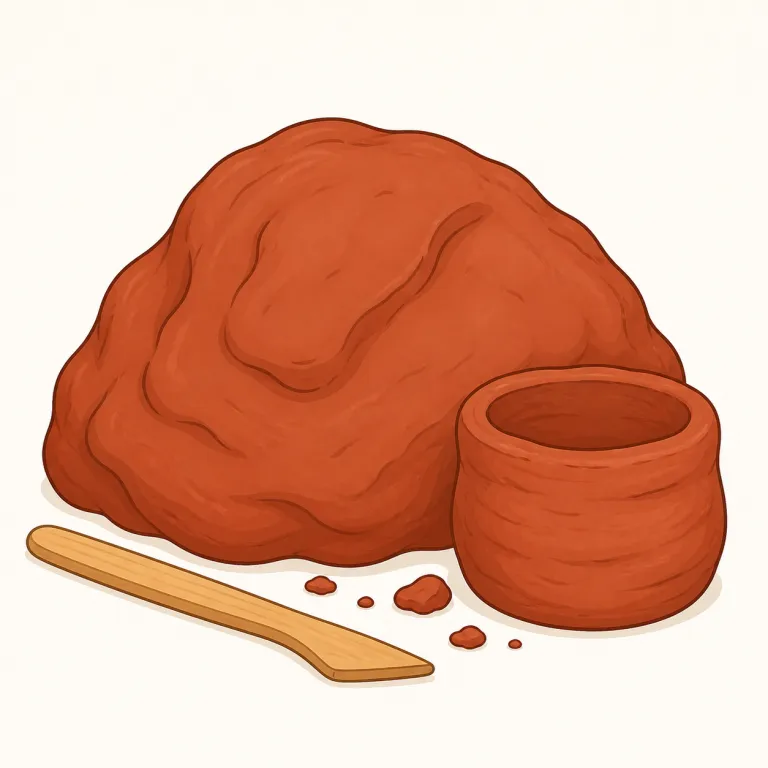
clay
clay は英検2級レベルの英単語で、「粘土」という意味があります。発音記号は /kleɪ/ です。
粘土
解説 Definition
粘土は地表にある細かい粒子状の土で、水を含むと柔らかくなり成形しやすくなる天然の材料です。乾いたり焼いたりすると硬くなり、陶器や彫刻などの作品の素材になります。吸水性や可塑性が高く、陶芸や建築材料としても重宝されます。
Clay is a soft natural material from the ground that becomes hard when it is dried or fired. It is often used to make pottery, bricks, and art objects.
覚え方のコツ Memory Tip
mud(雨でぬかるんだ泥)や soil(土一般)と違い、clay は「水を含むとやわらかく、手で形を作れ、乾くと固まる土」と一続きの変化で覚えると定着しやすい。clay pot, clay figure, clay court のように「素材」や「表面」を表す形でよく出る。陶芸や工作で、ぐにゃっと成形してあとで硬くなる場面を思い浮かべると、ただの土ではなく『粘土』だと区別しやすい。
Do not mix it with general `soil` or wet `mud`. `Clay` is the kind of earth you can shape with your hands, and it becomes hard when it dries. Picture pottery or a `clay pot`, and the word becomes easier to keep separate.
例文
This clay is soft.
この粘土はやわらかい。
I make a cup with clay.
私は粘土でカップを作る。
The clay dries in the sun.
その粘土は太陽の下で乾く。
えいたんごクイズでの正答率
この語をはじめて出題された 31人 のうち 25人 が正解しました(81%)。
えいたんごクイズの回答から集計した独自データです。1人につき最初に出題されたときの1回だけを数えており、復習や2回目以降の回答、「わからない」と時間切れは含みません。 集計時点は 2026年9月19日 です。
clay の類義語・関連語
派生語
紛らわしい語
clay の語源・成り立ち Etymology
古英語 clǣg(粘土)に由来し、ゲルマン祖語 *klaijaz に遡る。「くっつく、塗りつける」が原義で、粘り気のある土を表す。関連語に clag(べたつく)、cleave(くっつく)があり、粘着性という共通イメージでつながる。
This word comes from Old English clæg, and goes back to Germanic roots. It originally referred to sticky earth, with a basic idea of something that clings or smears. That sense of softness and stickiness stayed in the word; it is connected in spirit to words like clag and possibly cleave.
同じレベルの語彙をもっと
英検2級の一覧へ →外部辞書で調べる
この英単語をクイズで覚えよう