中傷、悪口
noun 名詞人の評判を傷つける悪口や、根拠の疑わしい非難をくだけた表現で指します。throw mud at someone などの形で使われ、単なる批判よりも相手を汚すような中傷の含みがあります。
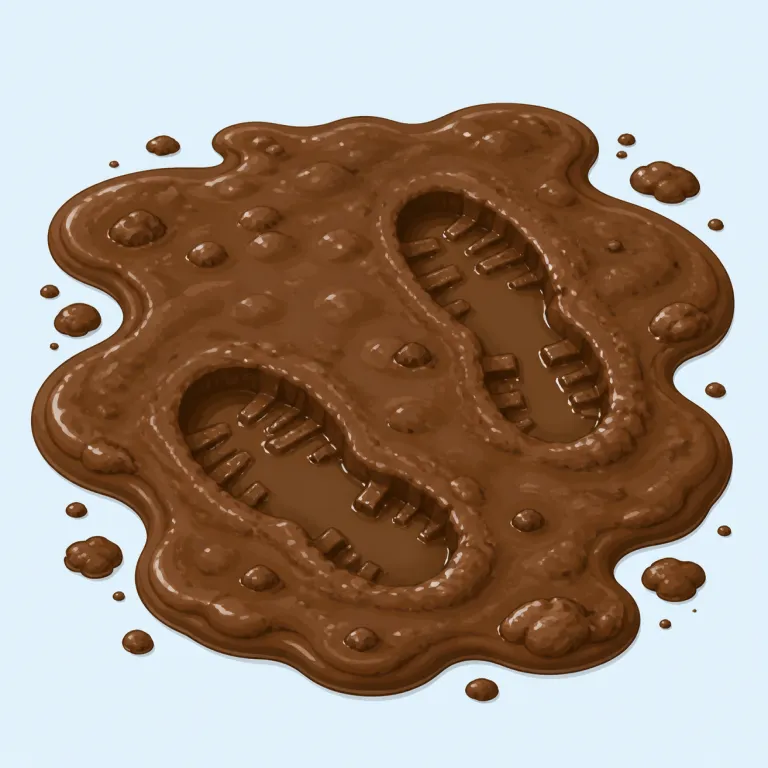
泥とは、土と水が混ざった柔らかくどろどろした物質のことです。雨の後の地面や川底に見られます。
Wet, soft earth, especially after rain. It is commonly found on the ground outdoors and can make things dirty. This word is often used in everyday situations, farming, and nature topics.
mud はまず muddy(泥だらけの)とセットで覚えると定着しやすい語です。土そのものなら soil、汚れ一般なら dirt、粘土質なら clay ですが、mud は「土+水でぬかるんだ状態」が中心。雨の後の ground が muddy、靴が covered in mud、車が stuck in the mud のように場面ごと覚えると強いです。短い基本語ですが、wet・dirty・soft が同時にある感触をまとめて持つと意味がぶれません。
Learn "mud" with "muddy." That pair helps you remember the wet, dirty, soft feeling of the word. Common scenes like "shoes covered in mud" or "stuck in the mud" make the image easy to keep.
The children played in the mud after the rain.
子どもたちは雨の後、泥で遊びました。
There was mud all over her shoes.
彼女の靴は泥だらけでした。
The rain left mud by the river.
雨で川のそばに泥が残りました。
文脈によって、次の意味でも使われます。
人の評判を傷つける悪口や、根拠の疑わしい非難をくだけた表現で指します。throw mud at someone などの形で使われ、単なる批判よりも相手を汚すような中傷の含みがあります。
中低地ドイツ語 mudde や中期オランダ語 modde(泥)に由来し、ゲルマン祖語系の語。印欧祖語 *meu-(湿った)と関連する可能性がある。関連語:muddy(泥だらけの)。湿って柔らかいものを指す原始的な語感を保つ基本語。
"Mud" probably came into English from Middle Dutch modde or Middle Low German mudde, both meaning "mud." It belongs to an old Germanic group of words for wet, soft, dirty matter, and may be linked to a very old Indo-European root meaning "wet." The word has kept this basic physical sense with little change over time. Related words include "muddy."
この英単語をクイズで覚えよう