醜聞、弱み、内情
noun 名詞人の評判を傷つけかねない秘密や不名誉な情報をくだけて表す。have dirt on someoneやdig up dirtの形で、他人の弱みを握ることや醜聞を探し出すことについて使われる。
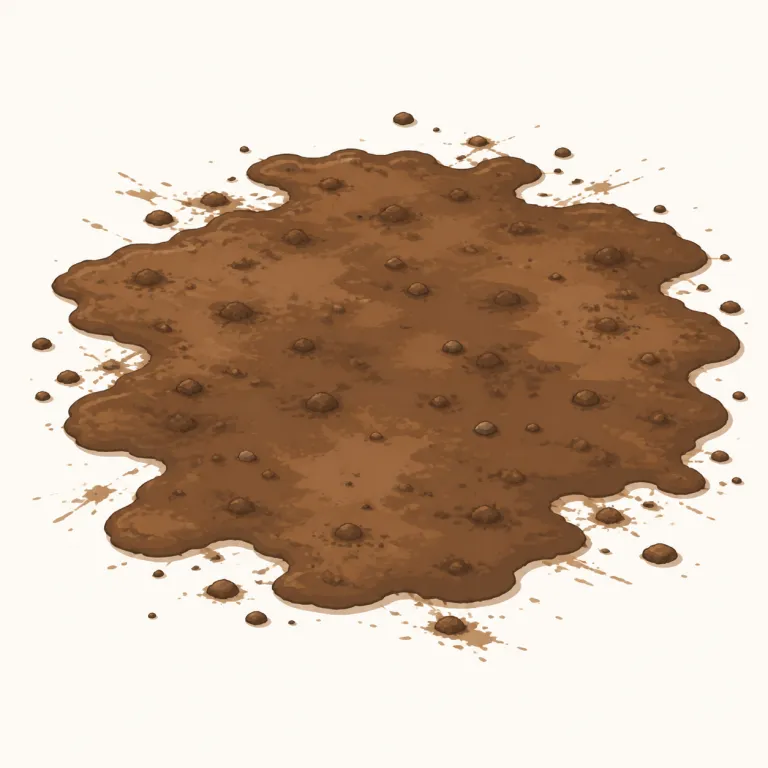
地面にある土や砂、泥を指す語で、靴や服、床などに付いた汚れという意味でも使われる。自然の土そのものを表す場合と、掃除が必要な不潔さや泥汚れを表す場合があり、文脈によって意味が変わる。日常会話では土っぽさや汚さを広く表すことが多い。
Dirt means soil or earth on the ground, especially outdoors. It can also mean something dirty or unwanted on a surface, skin, or clothing. The meaning usually depends on whether the context is nature, cleaning, or appearance.
dirty を知っていれば、dirt はその土台になる名詞だとつなげて覚えやすいです。まず「きれいでないもの全般」という芯を置くと、地面の土にも、靴や床についた汚れにも意味が広がります。soil はやや中立で「土壌」、mud は水気のある「泥」、dust は細かな「ほこり」。dirt は日常会話でそれらをやや大ざっぱにまとめる語。get dirt on your shoes, sweep up the dirt のような場面ごと覚えると定着しやすく、dirty との往復でも記憶に残ります。
Connect it to `dirty`: if something has `dirt`, it becomes `dirty`. `Dirt` is a broad everyday word, so it can mean soil on the ground or dirt on shoes and floors. Compare it with `mud`, `dust`, and `soil` to keep its wider, more casual feeling in mind.
After the rain, the path was covered with wet dirt.
雨の後、道は濡れた土で覆われていた。
The children played in the dirt and got very messy.
子どもたちは土の上で遊んで、すっかり泥だらけになった。
She wiped the dirt from her shoes before entering.
彼女は入る前に、靴についた泥や汚れを拭き取った。
この語をはじめて出題された 41人 のうち 39人 が正解しました(95%)。
えいたんごクイズの回答から集計した独自データです。1人につき最初に出題されたときの1回だけを数えており、復習や2回目以降の回答、「わからない」と時間切れは含みません。 集計時点は 2026年9月19日 です。
文脈によって、次の意味でも使われます。
人の評判を傷つけかねない秘密や不名誉な情報をくだけて表す。have dirt on someoneやdig up dirtの形で、他人の弱みを握ることや醜聞を探し出すことについて使われる。
中英語 dirt は、語形転換した drit/drytt に由来し、さらに古ノルド語 drit「糞・汚物」にさかのぼります。もとはかなり生々しい「排泄物」の語で、そこから泥・土・汚れ一般へ意味が広がったので、「汚れ」の感覚が強い語です。関連語は dirty。
Dirt comes from Middle English dirt, linked to earlier forms like drit, and goes back to Old Norse drit, meaning dung or filth. It originally had a much stronger and rougher sense than it often has today. Over time, the meaning widened from waste matter to mud, soil, and general unclean matter. The related adjective is dirty.
この英単語をクイズで覚えよう