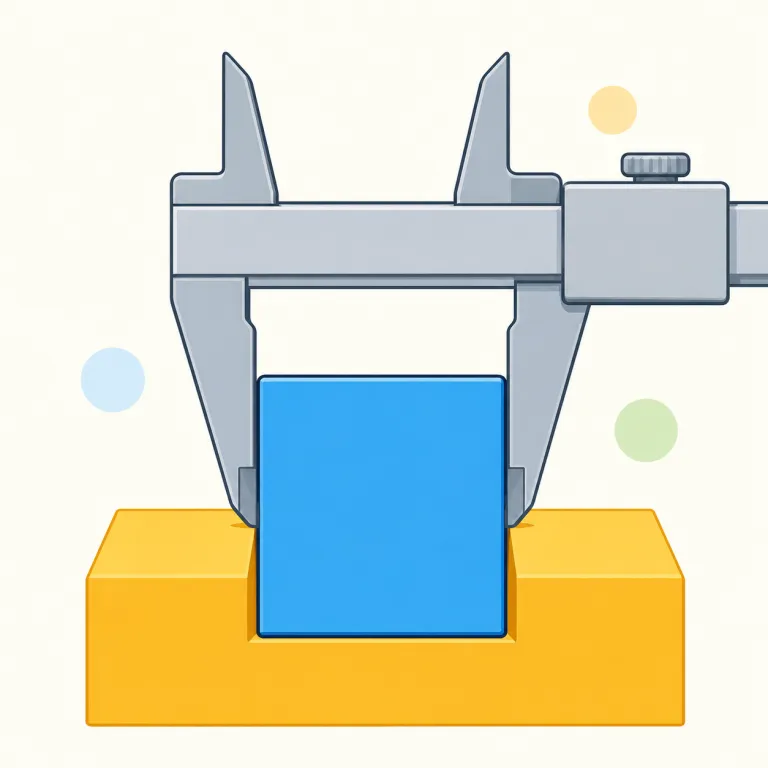
precisely
precisely は英検2級・TOEIC 860・TOEFL 80・IELTS 6.5レベルの英単語で、「正確に、まさに,ちょうど、そのとおり」という意味があります。発音記号は /prɪˈsaɪsli/ です。
意味一覧 (3件)
正確に
解説 Definition
「正確に」は、間違いなく、ぴったり合う方法で何かをすることです。誤差がなく、完璧に行うことを指します。
Precisely means exactly, correctly, or with very clear detail. It is used when you want to show that something is accurate in time, measurement, meaning, or action. In conversation, it can also emphasize strong agreement with what someone said.
覚え方のコツ Memory Tip
まず precise「正確な」を知っていれば、-ly が付いた precisely は「正確に」と取りやすいです。exactly と近いですが、precisely は「細部までずれなく」「まさにその通りに」の感じが強め。時刻・位置・数値など、誤差を許さない場面で結びつけると残りやすいです。I know precisely where it is. や precisely because ... の形も頻出で、「理由をまさにそこで特定する」感覚まで一緒に覚えると定着します。
Start from `precise`, then add `-ly`. `Precisely` often appears when the detail must be exact, such as time, place, or number. It is close to `exactly`, but it often feels a bit sharper and more careful.
例文
She measured the table precisely with a ruler.
彼女は定規で机を正確に測りました。
She followed the recipe instructions precisely to bake the perfect cake.
彼女は完璧なケーキを焼くため、レシピの指示に正確に従いました。
He precisely measured the box for his school project.
彼は学校の課題のために箱を正確に測りました。
えいたんごクイズでの正答率
この語をはじめて出題された 43人 のうち 22人 が正解しました(51%)。
えいたんごクイズの回答から集計した独自データです。1人につき最初に出題されたときの1回だけを数えており、復習や2回目以降の回答、「わからない」と時間切れは含みません。 集計時点は 2026年9月19日 です。
まさに,ちょうど
(意味 2)
解説 Definition
出来事や条件が、話し手の意図や予想にぴったり合うことを強調するときに使う。時刻・場面・理由などについて「ほかでもなくそれだ」と焦点を当てるニュアンスがあり、単なる「正確に」とは少し違う。
Used to emphasize that something is exactly the thing intended, expected, or being discussed. It focuses attention on a particular reason, moment, or situation as the very one that matters.
例文
That is precisely what I wanted to hear.
それはまさに私が聞きたかったことだ。
She arrived at precisely the right moment.
彼女はまさに絶好のタイミングで到着した。
This is precisely why we need a backup plan.
だからこそ、私たちには予備案が必要なのだ。
そのとおり
(意味 3)
解説 Definition
相手の発言や考えに対して、完全に同意するときに使う。会話では返答として単独でも使え、「まさしくその理解で合っている」と確認する響きがある。
Used as a reply to express complete agreement with what someone has just said. It confirms that the other person has understood or stated the point exactly right.
覚え方のコツ Memory Tip
Precisely. と単独で返すと、「そのとおり」「まさにそうです」という同意になります。precise は「正確な」なので、相手の理解が細部までずれていないと認める返事だと考えると覚えやすいです。Exactly. と近いですが、Precisely. は少しきちんとした響きで、論点を確認する会話によく合います。「つまり〜ということ?」と聞かれて Precisely. と答える場面で覚えると定着します。
Imagine someone checking their understanding by asking, 'So that is what you mean?' Replying Precisely confirms that their understanding is accurate. Think of it as a slightly formal alternative to Exactly in this kind of exchange.
例文
Precisely. That's the point I was making.
そのとおり。それが私の言いたかった点だ。
'You mean we should wait?' 'Precisely.'
「つまり私たちは待つべきだということですか」「そのとおりです」
'So the issue is trust?' 'Precisely.'
「つまり問題は信頼なのですか」「そのとおりです」
precisely の類義語・関連語
precisely の語源・成り立ち Etymology
precisely は precise に副詞語尾 -ly がついた語です。precise は古フランス語を経てラテン語 praecidere「切り落とす」から来て、prae-「前に」+ -cid-「切る」に分かれます。余分を切って境界をはっきりさせる感覚から「正確に」になりました。関連語は precision、concise。
"Precisely" is formed from "precise" plus the adverb ending -ly. "Precise" came through French from Latin praecidere, meaning "to cut off," from prae- "before" and caedere "to cut." The sense changed from cutting away what is unnecessary to making something exact and clearly limited, as in "precision" and "concise."
同じレベルの語彙をもっと
英検2級の一覧へ →外部辞書で調べる
この英単語をクイズで覚えよう