肉体、肉欲
noun 名詞精神や魂と対比される人間の肉体、または肉体に由来する欲望を指す形式的・文学的な用法。the pleasures of the flesh などで使われ、身体を構成する実際の肉そのものではなく人間の身体的側面を表す。
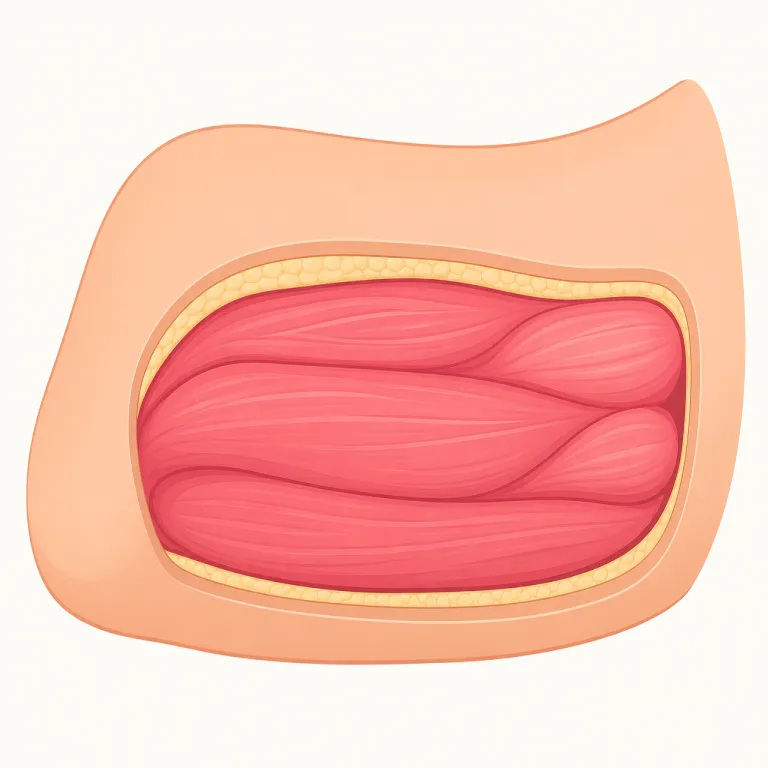
flesh はTOEIC 860・TOEFL 80・IELTS 6.5レベルの英単語で、「肉」という意味があります。発音記号は /flɛʃ/ です。
動物や人間の体を包む柔らかい部分。骨の外側にあります。食べ物としても使われます。
Flesh is the soft part of a human or animal body under the skin, especially muscle and fat. It can also mean the soft inside part of some fruits. In everyday use, it is a slightly more formal or literary word than meat or skin.
skin(皮)・flesh(肉)・bone(骨)と、体を層で並べて覚えると定着しやすい語です。flesh は bone の外側、skin の内側にある「やわらかい肉」。meat が食べ物としての肉を指しやすいのに対し、flesh は体の一部としての肉体感が強めです。in the flesh は「実物の本人に」、flesh and blood は「生身の人間」。体・傷・人間らしさの文脈で出る語だと押さえると忘れにくいです。
Remember the body in layers: `skin`, `flesh`, `bone`. `Flesh` is the soft part between skin and bone, so it feels more like the body than food. That helps you separate it from `meat`, which is more often food. Fixed phrases like `in the flesh` and `flesh and blood` make it easier to remember.
The soft flesh under our skin covers our bones.
皮膚の下の柔らかい肉が骨を覆っています。
I cooked the fish and removed all the flesh from the bones.
私は魚を調理し、骨から肉をすべて取り除きました。
This fish has soft white flesh.
この魚は身が白くて柔らかいです。
この語をはじめて出題された 58人 のうち 35人 が正解しました(60%)。
えいたんごクイズの回答から集計した独自データです。1人につき最初に出題されたときの1回だけを数えており、復習や2回目以降の回答、「わからない」と時間切れは含みません。 集計時点は 2026年9月19日 です。
文脈によって、次の意味でも使われます。
精神や魂と対比される人間の肉体、または肉体に由来する欲望を指す形式的・文学的な用法。the pleasures of the flesh などで使われ、身体を構成する実際の肉そのものではなく人間の身体的側面を表す。
果物や野菜の、皮や種を除いた柔らかく食べられる部分を指す。the flesh of a peach や firm white flesh のように使われ、動物や人間の体を構成する肉とは対象が異なる。
句動詞・イディオムなど 4 件。クリックで各表現の詳細へ。
「flesh」は古英語 flǣsc「肉・身体の肉」にさかのぼり、さらにゲルマン祖語 *flaiskaz に由来します。人や動物の柔らかな肉そのものを表す基本語なので、そこから「肉体」という意味も自然に生まれました。関連語は fleshy、ドイツ語 Fleisch です。
"Flesh" goes back to Old English "flaesc," meaning the soft meat of the body. It comes from an older Germanic root, also seen in German "Fleisch." Because it was a basic word for the body's soft tissue, it naturally also came to suggest the human body itself. A related English word is "fleshy."
この英単語をクイズで覚えよう