えいたんごクイズ
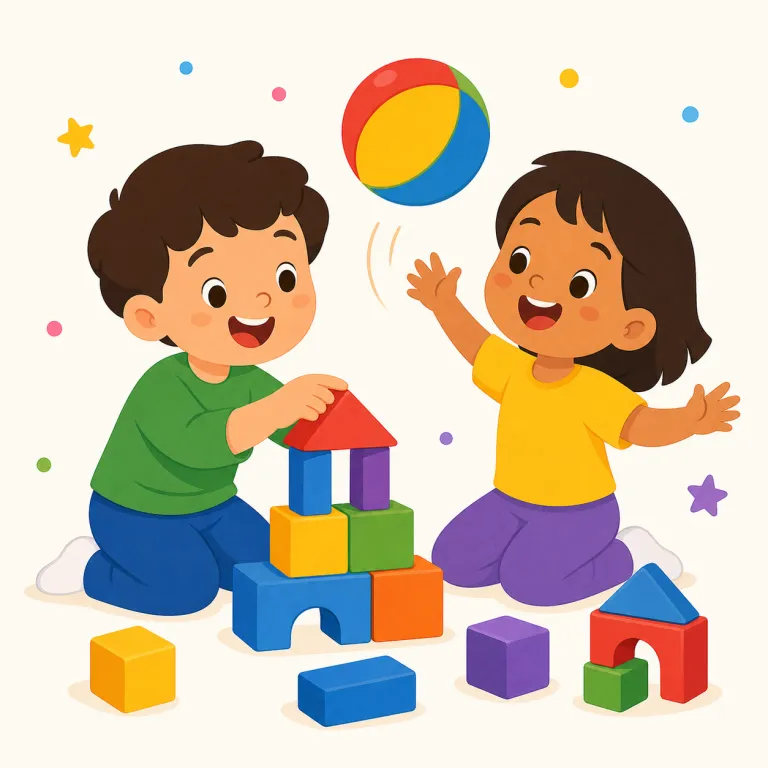
fun(楽しい・名詞)の覚え方イラスト — 名詞の fun は「楽しいこと」「楽しみ」「愉快さ」という体験そのものを指します

fun

/fʌn/

意味一覧 (3件)

noun

たのしい

解説 Definition

fun は口語で「楽しい」と述べるとき、形容詞のように体験や活動を評価します。This class is fun. のように、人の性格ではなく授業、ゲーム、外出などが気軽で退屈しないことを表すのが中心です。

Fun is the feeling of enjoyment, pleasure, or amusement. It is commonly used for activities, experiences, or times that make people happy and relaxed. As a noun, it refers to enjoyment itself rather than describing something.

覚え方のコツ Memory Tip

名詞の fun は「楽しいこと」「楽しみ」「愉快さ」という体験そのものを指します。have fun, a lot of fun, for fun のようなまとまりで覚えると自然です。これは形容詞の fun「面白い」と近い語ですが、ここでは This is fun. のように物を説明するのではなく、We had fun. のように楽しんだ時間や気分を名詞として表します。

Remember `fun` with the pattern `This game is fun`. It is often used for experiences, activities, or situations, not usually for describing a person's character. It sounds lighter and more casual than `enjoyable`. Be careful not to confuse it with `funny`, which is about something making you laugh or seeming strange.

例文

We had so much fun at the amusement park yesterday.

昨日、遊園地でとても楽しい時間を過ごした。

Learning a new language can be a lot of fun if you enjoy it.

新しい言語を学ぶことは、楽しめれば非常に楽しいものになります。

The children had fun building a sandcastle on the beach.

子供たちは砂浜で砂のお城を作って楽しんだ。

noun

たのしみ

(意味 2)

解説 Definition

人が遊びや会話、出来事などを通じて感じる楽しさやおもしろさを表す名詞。have fun や for fun の形でよく使われ、気軽で前向きな気分や、何かをしていて愉快だと感じることを指す。

Fun is the feeling of enjoyment or amusement that people have when they play, talk, or take part in an event. It is often used in phrases like "have fun" and "for fun." The word usually suggests a light, positive feeling, especially when something is pleasant, entertaining, or enjoyable.

覚え方のコツ Memory Tip

fun はまず固定表現で覚えると残りやすい。have fun で「楽しむ」、for fun で「楽しみで・ふざけて」、sounds fun で「それ面白そう」。enjoy は「楽しむ動作」、fun は「楽しさそのもの・楽しい感じ」に寄るので、This game is fun. のように場や物の雰囲気を言うときに自然。funny は「笑える・変な」で別物なので混同しない。会話でよく出る軽い明るさの語としてまとめて覚える。

Remember fun first through common phrases: have fun, for fun, and sounds fun. Enjoy is usually the action of taking pleasure in something, while fun is the enjoyable feeling itself. This game is fun sounds natural because it describes the feeling or atmosphere. Do not confuse fun with funny, which means humorous or strange.

例文

We had a lot of fun at the party last night.

昨夜のパーティーはとても楽しかった。

I started learning guitar just for fun, but now I practice every day.

楽しみでギターを始めたが、今では毎日練習している。

The plan sounds fun, but I need to check my schedule first.

その計画は面白そうだが、先に予定を確認しないといけない。

adjective

面白おもしろ

(意味 3)

解説 Definition

fun は活動・場所・出来事などが「面白くて楽しめる」と評価するときに使う形容詞です。授業、ゲーム、旅行、計画などについて、堅苦しくなく会話で前向きに言う場面でよく使われます。

Fun is an adjective used to say that an activity, place, event, or plan is enjoyable and pleasant to take part in. It is common in everyday conversation when you want to describe something in a casual, positive way. We often use it for things like classes, games, trips, or social plans. It focuses more on the feeling of enjoying the experience than on being intellectually interesting.

覚え方のコツ Memory Tip

fun は This is fun. / That sounds fun. の形で、体験や活動が「やっていて気分よく楽しめる」と言う語です。interesting は知的に興味深い、fun は参加して楽しい感じが中心です。enjoyable は少し丁寧で書き言葉にも合います。funny は「笑える」「変な」なので、a fun movie は楽しめる映画、a funny movie は笑える映画と分けて覚えます。

A useful pattern is This is fun. or That sounds fun. We use fun when an activity or experience feels enjoyable to do. Interesting often means something makes you think, while fun means you enjoy taking part in it. Also remember that funny means something makes you laugh or seems strange, so a fun movie is enjoyable, but a funny movie is laugh-out-loud amusing.

例文

This game is really fun.

このゲームは本当に面白い。

We had a fun afternoon at the park.

公園で面白い午後を過ごした。

The workshop was simple but surprisingly fun.

その講座はシンプルだったが、意外と面白かった。

fun の語源・成り立ち Etymology

funは18世紀英語で「遊び・愉快」を意味する語ですが、もとは「だます、からかう」に近い動詞fun、さらに中英語fonnen「愚かにする」と結びつくと考えられます。接辞より語全体で意味を持ち、fondやfunnyが親類です。人をおどけて笑わせる感覚から、今の「楽しい」へ明るく反転したとわかります。

`fun` appeared in English in the 18th century, but it may come from an older verb `fun` meaning "to cheat" or "to make a fool of," linked with Middle English `fonnen`, "to behave foolishly." The word seems to have shifted from joking at someone's expense to light amusement more generally. Related words may include `funny`, and it is sometimes connected with `fond` through older ideas of foolishness.

外部辞書で調べる

この単語をシェア

この単語を英単語クイズで覚えよう