twist
twist は英検2級・TOEIC 730・TOEFL 60・IELTS 5.5レベルの英単語で、「ねじる、ひねる、ひねり、どんでん返し」という意味があります。発音記号は /twɪst/ です。
意味一覧 (3件)
ねじる、ひねる
解説 Definition
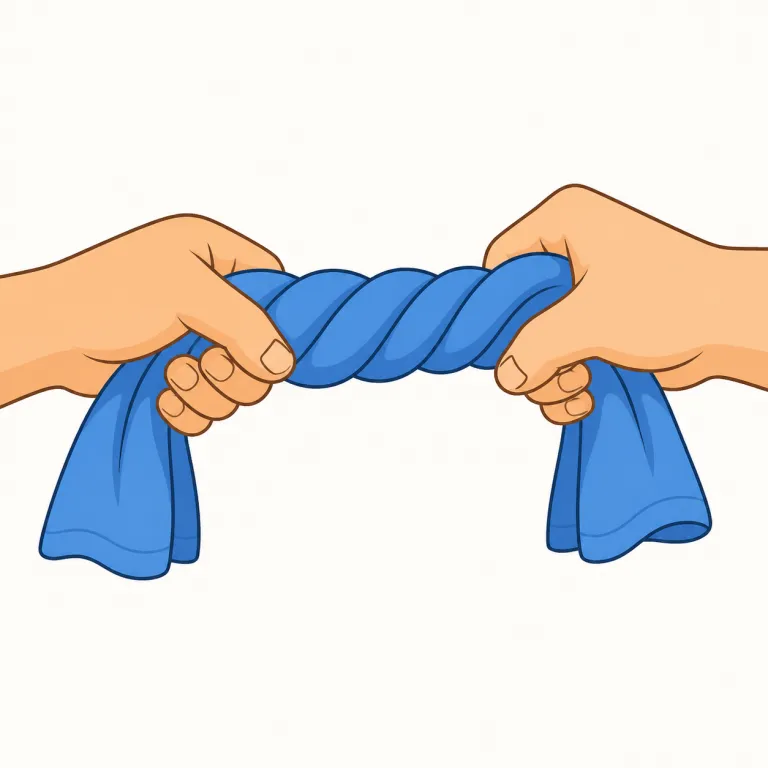
手や道具で物の一部を回すように動かして、形や向きを変えることです。タオルをしぼるときや、ふたを回して開けるときのように、ぎゅっと回す動きを表します。
To twist means to turn part of something around so that its shape or direction changes. It is used for actions like wringing a towel or turning a cap.
覚え方のコツ Memory Tip
twist は、物の端をつかみ、手首をくるりと回して形や向きを変える動きを思い浮かべると覚えやすいです。ペットボトルのふたなら twist the cap、ぬれた布なら twist the wet cloth と、目的語と一緒に覚えましょう。turn が単に「回す・向きを変える」と広く使えるのに対し、twist は力を加えてねじる、ひねる感覚が強い語です。両手でタオルを逆方向へ回して水を絞る場面を固定すると、「ただ回る」のではなく「ねじれが生じる」動作だと区別できます。
Picture twisting a wet towel with both hands to squeeze out water. That turning motion is the core meaning.
例文
Twist the cap slowly.
ふたをゆっくりひねってください。
She twists the wet cloth.
彼女はぬれた布をひねります。
He twists his body.
彼は体をひねります。
えいたんごクイズでの正答率
この語をはじめて出題された 45人 のうち 43人 が正解しました(96%)。
えいたんごクイズの回答から集計した独自データです。1人につき最初に出題されたときの1回だけを数えており、復習や2回目以降の回答、「わからない」と時間切れは含みません。 集計時点は 2026年9月19日 です。
ひねり
(意味 2)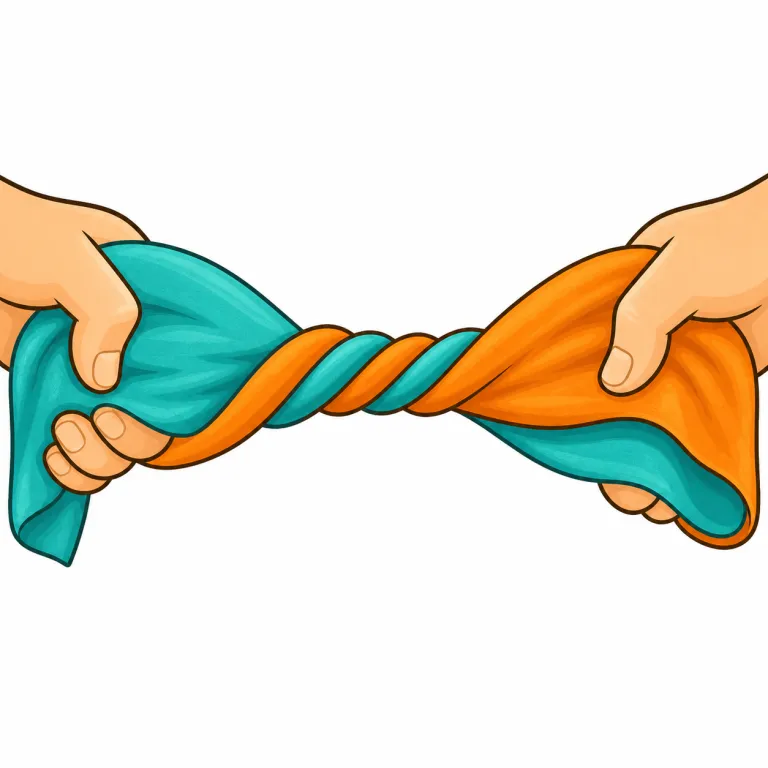
解説 Definition
ねじる動作や、話の予期しない展開を意味します。物を回転させたり変形させたりする行為、または物語の意外な転換です。
A twist is a turn, change, or unexpected detail in the shape, direction, or meaning of something. It is often used for physical movement, design, or stories, where it can mean a surprising development.
覚え方のコツ Memory Tip
twist はまず動作の「ねじる」を核に置くと覚えやすい。手首を twist してふたを開ける、ひもを twist してより合わせる、の感覚から名詞の「ひねり」へつながる。そこから比喩で plot twist のように、話がくるっと予想外に曲がる「意外な展開」も同じ語。turn が単なる向きの変化なのに対し、twist は回しながらねじれる感じが強い。料理なら a twist of lemon、物語なら a surprising twist など、形のひねりと展開のひねりをセットで覚えると定着しやすい。
Remember the basic action first: twist means to turn something so it bends or coils. From that physical image, the noun twist becomes a turn or change with that same "curved" feeling. This is why plot twist is easy to remember: the story suddenly turns in an unexpected way. Think of both a twist of lemon and a surprising twist in a movie.
例文
The story had a surprising twist at the end.
その物語は最後に意外な展開がありました。
With a quick twist, he opened the jar.
ひとひねりで、彼は瓶を開けた。
The dancer ends with a twist of her body.
そのダンサーは最後に体をひねります。
えいたんごクイズでの正答率
この語をはじめて出題された 42人 のうち 41人 が正解しました(98%)。
えいたんごクイズの回答から集計した独自データです。1人につき最初に出題されたときの1回だけを数えており、復習や2回目以降の回答、「わからない」と時間切れは含みません。 集計時点は 2026年9月19日 です。
どんでん返し
(意味 3)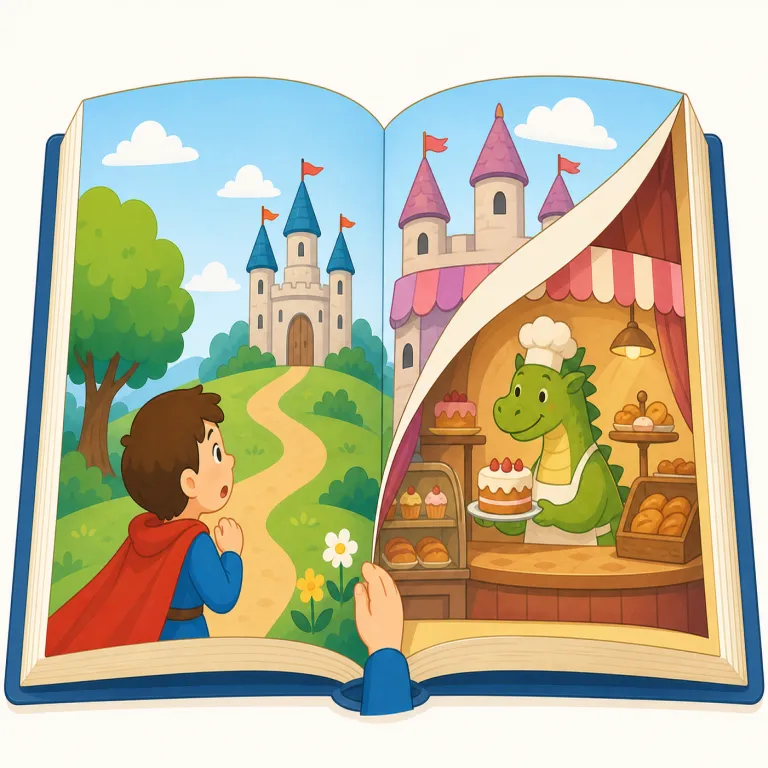
解説 Definition
物語や事件の流れが途中で予想外の方向に変わることを表す名詞です。映画・小説・ドラマの感想でよく使われ、最後や中盤に明かされる意外な展開を指します。
An unexpected development that changes the direction of a story or series of events. It is often used when discussing a surprising revelation in a film, novel, or drama.
例文
The movie has a shocking twist at the end.
その映画は最後に衝撃的などんでん返しがある。
I didn't see that twist coming.
あのどんでん返しはまったく予想していなかった。
The novel's biggest twist changes everything.
その小説の最大のどんでん返しがすべてを変える。
twist の類義語・関連語
類義語
派生語
twist を含む表現
句動詞・イディオムなど 3 件。クリックで各表現の詳細へ。
twist の語源・成り立ち Etymology
古い英語で「分かれたもの」や「より合わせたもの」を表す語に由来します。もとは2本のものがからんだり、回されて形を変えたりするイメージがあり、そこから「ねじる、ひねる」という意味で使われるようになりました。
Twist comes from Old English words connected with something divided or interwoven. The idea developed into turning or winding something so its shape changes.
同じレベルの語彙をもっと
英検2級の一覧へ →外部辞書で調べる
この英単語をクイズで覚えよう