pun
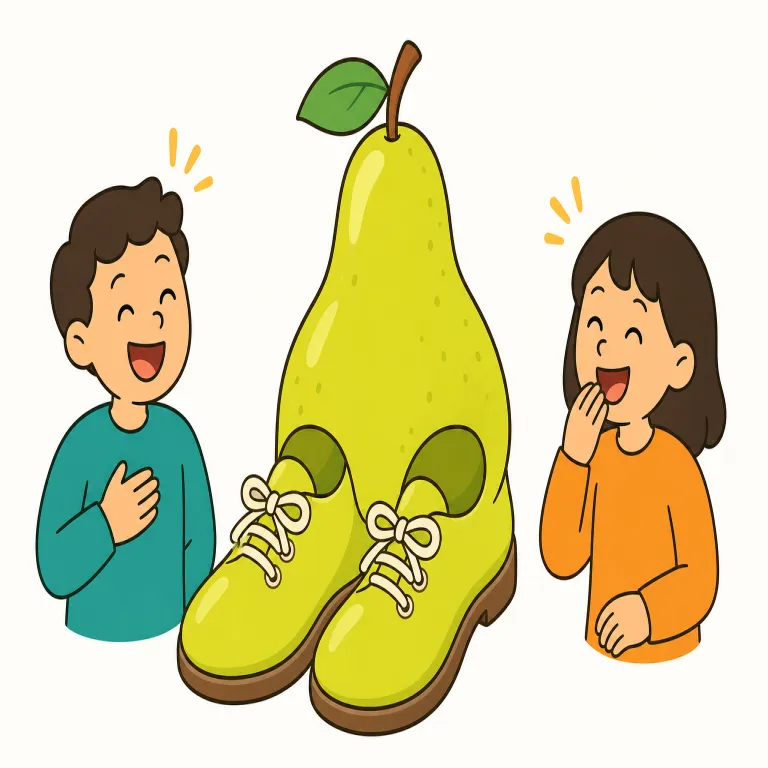
pun は英検1級レベルの英単語で、「駄洒落」という意味があります。発音記号は /ˈpʌn/ です。
駄洒落
解説 Definition
言葉を使って創作的に作られたユーモア。似た音や複数の意味を持つ言葉を使った冗談。
A pun is a joke that uses a word with two meanings, or two words that sound similar, to create humor. It is common in conversation, advertisements, and titles. Puns are often simple and clever, but they may be hard to understand in a second language.
覚え方のコツ Memory Tip
pun はまず『言葉遊び』の基本語として固定すると覚えやすいです。play on words とほぼ同じ場面で出ますが、pun のほうが一語で『音や意味を引っかけた冗談』を指せます。短い語なので make a pun, terrible pun, cheesy pun の形で覚えると残りやすいです。単なる joke よりも『語そのものに仕掛けがある』のが核心。似た音・別の意味を使う冗談、とセットで思い出してください。
Keep `pun` fixed in your mind as the basic one-word term for wordplay. It often appears in phrases like `make a pun`, `terrible pun`, or `cheesy pun`. Unlike a general `joke`, a `pun` depends on the words themselves, especially similar sounds or double meanings.
例文
He made a pun about the baker being on a 'roll'.
彼は、パン職人が「ロールパンに乗っている」と「絶好調だ」を掛けた駄洒落を言った。
The comedian's pun made the audience laugh.
その喜劇俳優の駄洒落は観客を笑わせました。
A good pun uses words in a clever way.
うまい駄洒落は言葉を巧みに使います。
pun の語源・成り立ち Etymology
pun は17世紀英語の語で、語源は確定していないが、イタリア語 puntiglio やスペイン語 puntillo「細かな点」と結びつける説が有力。『一点を突く言い回し』の感覚から、音や形の似た語を引っかける駄洒落の意味になった。関連語は point, punctual。
Pun appeared in English in the 17th century, but its exact origin is uncertain. One likely idea connects it to Italian or Spanish words linked to a "point" or fine detail. That fits the sense of a clever verbal hit based on similar sounds or forms. It may be related in spirit to English words like point and punctual.
同じレベルの語彙をもっと
英検1級の一覧へ →外部辞書で調べる
この英単語をクイズで覚えよう