えいたんごクイズ
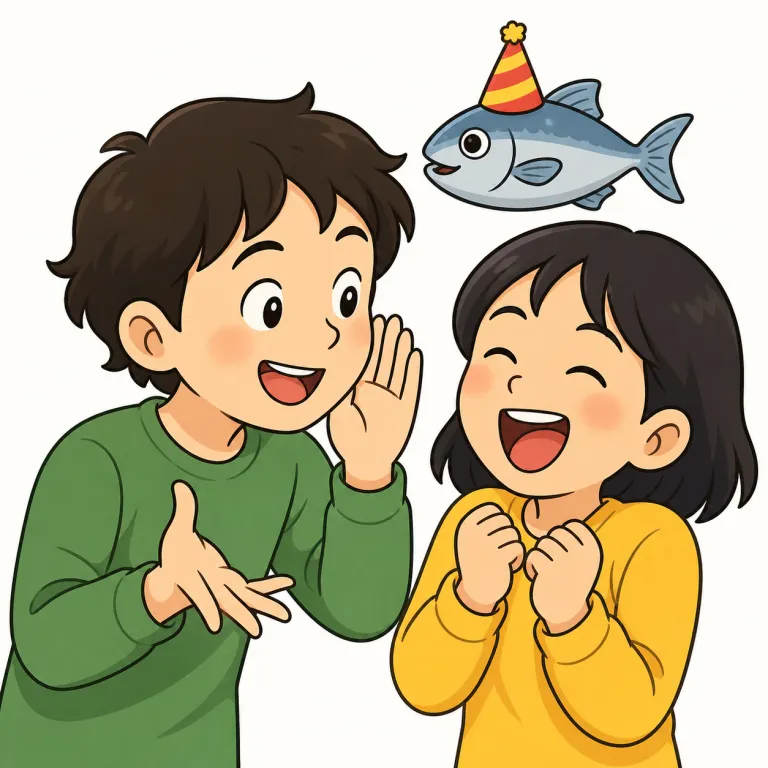
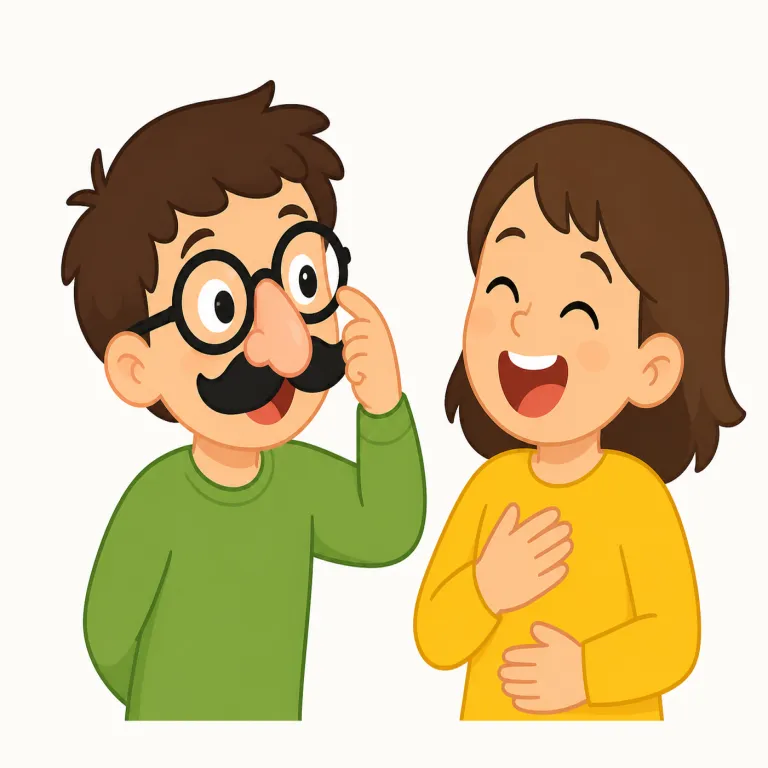
joke(冗談を言う・動詞)の覚え方イラスト — 名詞 joke「冗談」を、その場で口に出す動作にした語と考えると自然です

joke

/dʒoʊk/

意味一覧 (3件)

noun

ジョーク

解説 Definition

joke は、人を笑わせるための短い話や、まじめではない発言を表す名詞です。tell a joke のように「冗談を言う」、a bad joke のように「つまらない冗談」と評価する場面でよく使います。日常会話から文章まで広く使われます。

A joke is something said to make people laugh, such as a short funny story or a remark that is not meant seriously. It is often used in expressions like tell a joke and make a joke. You can also describe it with words like good, bad, or silly to show how funny it is. The word is common in both everyday conversation and writing.

覚え方のコツ Memory Tip

joke は tell a joke「ジョークを言う」、make a joke「冗談を言う」、take a joke「冗談を受け流す」の形でよく出ます。funny story より短く、punch line のある笑い話にも、ただ本気でない一言にも使えます。verb の joke「冗談を言う」と同じ形ですが、a joke や the joke のように冠詞が付くと名詞です。comic や humor より具体的な一つの発言・話を指す点を意識すると覚えやすいです。

Remember the common patterns tell a joke, make a joke, and take a joke. A joke is usually shorter and more specific than a funny story, and it can mean either a small laugh line or a remark that is not serious. It has the same form as the verb joke, but when you see a joke or the joke, it is the noun. Compared with comic or humor, joke usually points to one particular comment or story.

例文

He told a joke during lunch, and everyone laughed.

彼は昼食のときにジョークを言って、みんなが笑った。

I knew it was just a joke, so I did not get upset.

ただのジョークだと分かっていたので、私は気を悪くしなかった。

The article opened with a joke before moving to a serious point.

その記事は最初にジョークを入れてから、まじめな話に進んだ。

verb

冗談じょうだん

(意味 2)

解説 Definition

joke は、場を重くしないために面白い一言を挟む動詞です。I was joking のように発言が本気でないことを示し、joke about では話題を笑いに変え、joke with 人では相手と軽口を交わす感じになります。

覚え方のコツ Memory Tip

名詞 joke「冗談」を、その場で口に出す動作にした語と考えると自然です。ポイントは内容の正しさより、空気をやわらげる発話であること。Are you joking? は「それ本気?」という反応で、相手の発言を一度軽いものとして受け止めます。食事中や雑談中に笑いを足す短い発言を思い浮かべると、この動詞の基本感覚が安定します。

例文

He likes to joke with his friends after class.

彼は授業のあと友人たちと冗談を言うのが好きです。

I thought she was joking, but she was serious.

私は彼女が冗談を言っているのだと思ったが、本気だった。

Don't joke about safety at work.

職場の安全について冗談を言ってはいけない。

verb

冗談じょうだん

(意味 3)

解説 Definition

joke は、言った内容を「本気ではない冗談」として扱う動詞でもあります。相手を少し驚かせたり、深刻な状況を軽く見せたりするときに使われ、発言後に only joking で本気でないことを明かす場面が典型です。

To joke means to say something funny or not serious in order to make people laugh or to speak playfully. It is common in casual conversation. Sometimes it also means saying something untrue without meaning to deceive anyone seriously.

覚え方のコツ Memory Tip

この動詞用法では、joke は「人を笑わせるために、または本気ではないことを示して、軽く言う」という動きを表します。only joking は「今のは本気ではないよ」と受け止め方を修正する合図です。名詞の joke「ジョーク」と同じ形ですが、ここでは tell などを伴う物ではなく、He joked about it のように主語が冗談めかして話す行為そのものを表すと考えると区別しやすいです。

As a verb, `joke` often appears with `with` or `about`: `joke with someone`, `joke about something`. That helps you remember it is not only telling a joke, but also lightly teasing or making something the topic of humor. It usually feels softer than `mock` and less sharp than `tease`.

例文

He was only joking when he said he would quit his job.

仕事を辞めると言ったのは、冗談を言っていただけです。

She joked about the situation to lighten the mood.

彼女は場を和ませるために状況について冗談を言いました。

Don't take it seriously — he always jokes like that.

真剣に受け取らないで — 彼はいつもそんな冗談を言うんです。

joke の語源・成り立ち Etymology

ラテン語 jocus「冗談、たわむれ」に由来し、英語では笑わせる話や本気でない発言を表す名詞になった。jocular「陽気な」も同系です。

Joke comes from Latin jocus, meaning "joke" or "play." In English, it developed into a noun for a funny story or a remark that is not meant seriously. The related word jocular also comes from the same Latin source.

外部辞書で調べる

この単語をシェア

この単語を英単語クイズで覚えよう