prank
prank は英検準1級レベルの英単語で、「いたずら」という意味があります。発音記号は /præŋk/ です。
いたずら
解説 Definition
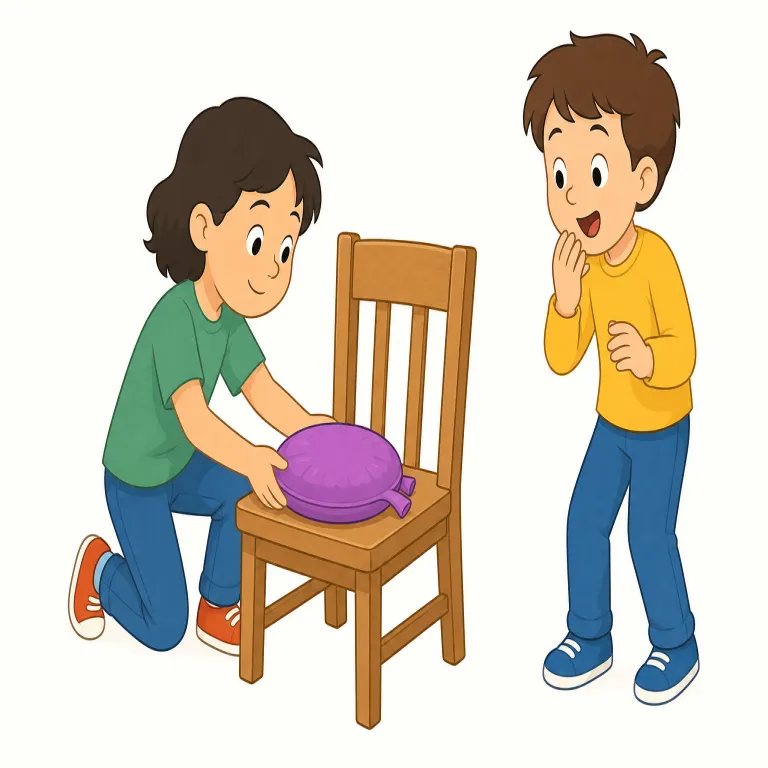
いたずらとは、他の人に悪気なく冗談や嫌がらせをする行為のことです。相手を驚かせたり、困らせたりすることを目的とした、やや悪ふざけのような行動を指します。
A prank is a trick played on someone as a joke. It is usually meant to be funny and not seriously harmful, though it can sometimes upset or embarrass people. The word is common when talking about playful or childish behavior.
覚え方のコツ Memory Tip
prank は『計画して仕掛ける、軽めのいたずら』として覚えると残りやすい。joke が言葉だけの冗談にも広く使えるのに対し、prank は相手を驚かせたり少し困らせたりする行動寄り。play a prank on someone が定番で、prank call や April Fools' Day の場面と結びつけると定着しやすい。trick は単なるだましや手品にも使えるので、prank は『悪意は薄いが実際に仕掛けるいたずら』というニュアンスで区別するとよい。
Think of prank as an action, not just a funny comment. A joke can be only words, but a prank is something you do to surprise or embarrass someone a little. The common pattern play a prank on someone is a useful memory hook.
例文
The kids hid their teacher's chalk as a harmless prank.
子どもたちは悪気のないいたずらで先生のチョークを隠しました。
People play pranks on each other on April Fools' Day.
エイプリルフールには、人々は互いにいたずらをします。
His prank scared everyone in the office.
彼のいたずらはオフィスのみんなを怖がらせました。
えいたんごクイズでの正答率
この語をはじめて出題された 38人 のうち 20人 が正解しました(53%)。
えいたんごクイズの回答から集計した独自データです。1人につき最初に出題されたときの1回だけを数えており、復習や2回目以降の回答、「わからない」と時間切れは含みません。 集計時点は 2026年9月19日 です。
prank の類義語・関連語
prank の語源・成り立ち Etymology
prank は16世紀英語で、語源は未詳ですが、中低ドイツ語 prank「見せびらかし」やオランダ語 pronken「派手に飾る」と結びつける説が有力です。もとは「目立つふるまい」が、相手を驚かせるふざけた行為へずれて「いたずら」になりました。関連語は pronken, prance。
Prank appeared in English in the 16th century, but its exact origin is uncertain. It is often connected with Middle Low German prank and Dutch pronken, words linked to showy display or proud display, and possibly with prance. The idea seems to have shifted from flashy or attention-seeking behavior to a playful act meant to surprise someone.
同じレベルの語彙をもっと
英検準1級の一覧へ →外部辞書で調べる
この英単語をクイズで覚えよう