mischief
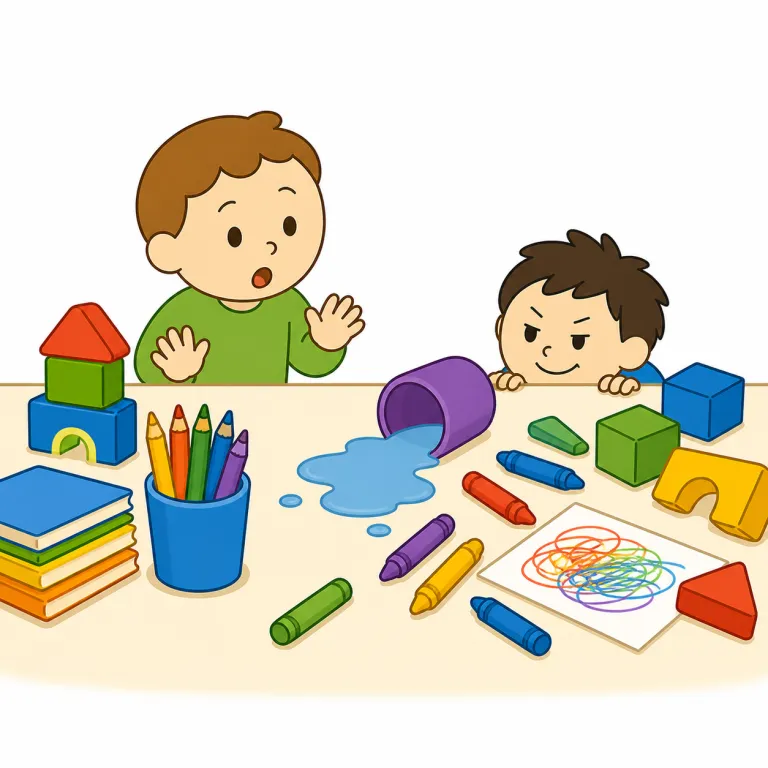
mischief は英検準1級レベルの英単語で、「いたずら」という意味があります。発音記号は /ˈmɪstʃɪf/ です。
いたずら
解説 Definition
子どものいたずらや、相手を少し困らせる悪さを指します。深刻な犯罪というより、ふざけ半分で問題や迷惑を起こす行為に使われることが多いです。ただし文脈によっては、社会的な混乱や損害につながる悪さを指すこともあります。
Mischief means playful trouble or small bad behavior that is not usually serious. It is often used for actions, especially by children or animals, that cause annoyance, noise, or minor damage.
覚え方のコツ Memory Tip
mis- が付く語は mistake, misunderstand, misbehave のように「ずれる・困った方向へ行く」という共通感覚がある。mischief もまずその空気でつかむと覚えやすい。prank が「軽いいたずら」なら、mischief は相手を少し困らせたり面倒を起こしたりする感じで、迷惑度が一段上。children get up to mischief, cause mischief などでよく出る名詞で、単なる冗談より“悪さ”寄りだと押さえると残りやすい。
The beginning `mis-` appears in words like `misbehave` and `mistake`, so it often suggests something going wrong. That helps with `mischief`: playful trouble that causes problems. It is stronger than a harmless `prank`, especially in phrases like `cause mischief`.
例文
The children got into mischief by hiding the teacher's glasses.
子どもたちは先生のメガネを隠していたずらをした。
He got into mischief at school and was sent to the principal's office.
彼は学校でイタズラをして、校長室に送られた。
The puppy caused mischief by chewing the shoes near the door.
その子犬はドアの近くの靴をかんでいたずらをした。
えいたんごクイズでの正答率
この語をはじめて出題された 32人 のうち 27人 が正解しました(84%)。
えいたんごクイズの回答から集計した独自データです。1人につき最初に出題されたときの1回だけを数えており、復習や2回目以降の回答、「わからない」と時間切れは含みません。 集計時点は 2026年9月19日 です。
mischief の類義語・関連語
mischief の語源・成り立ち Etymology
mischief は古フランス語 meschief 由来で、mes-「悪く」+ chief「終わり・頭」がもと。chief や achieve と同じ語群にあり、原義は『悪い結末』。そこから不運、さらに人を困らせるいたずらや害悪へと意味がずれていった。
Mischief came from Old French meschief, built from mes- "badly" and chief, which at that time could mean an outcome or end. Its earliest sense was something like "bad ending" or "misfortune." From there, it shifted toward harm, trouble, and finally playful or troublesome bad behavior. Related words share the chief root, such as chief and achieve.
同じレベルの語彙をもっと
英検準1級の一覧へ →外部辞書で調べる
この英単語をクイズで覚えよう