意味一覧 (2件)
いたずらっぽい
解説 Definition
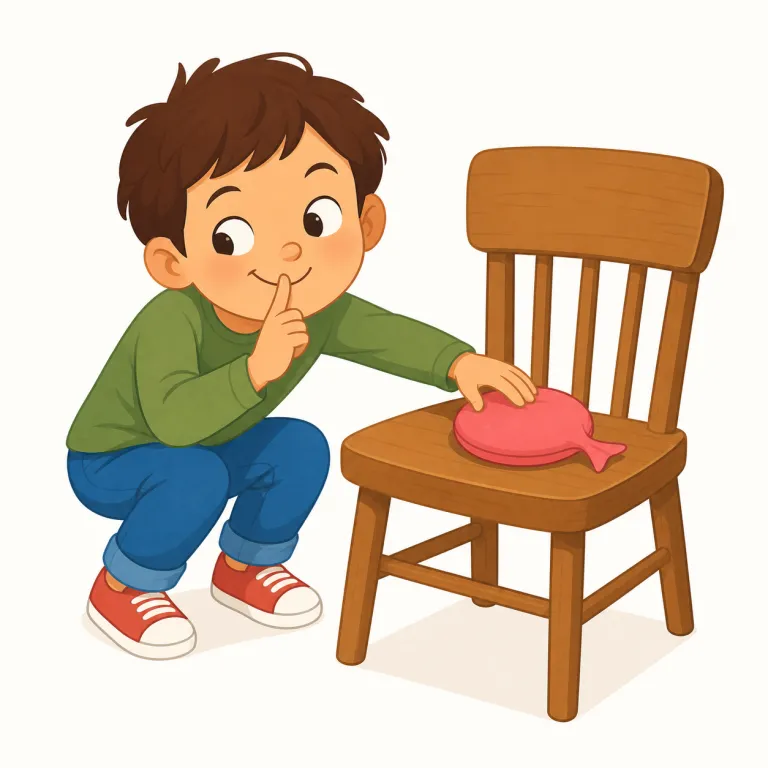
いたずらをしたり、ふざけたりする傾向がある性格や行動を指します。通常は悪意がなく、楽しさや遊び心から起こる行動です。
Mischievous describes someone who likes to play tricks or cause small problems for fun. It often suggests playful behavior rather than real harm, especially with children or animals. In some situations, it can also imply slightly troublesome behavior.
覚え方のコツ Memory Tip
mischief(いたずら、ちょっとした迷惑)を知っていると覚えやすい語です。mischievous は「mischief を起こしがちな」で、子どもや表情、笑い方によく付きます。malicious のような「悪意のある」とは違い、困らせはするが本気で傷つける感じは薄いのが核心。a mischievous grin, a mischievous child のように「叱られるけど少し笑ってしまう」場面ごと覚えると定着しやすいです。つづりは mischief を土台にしつつ、-ous が付く形だと見ると整理しやすいです。
Use the base word `mischief`. If `mischief` is playful trouble, `mischievous` describes someone or something that likes causing that kind of trouble. Think of a `mischievous grin` or a child who is naughty in a funny way, not truly cruel like `malicious`.
例文
She gave him a mischievous smile that suggested she was up to something.
彼女は何かをたくらんでいるような、いたずらっぽい笑みを彼に向けた。
有害な、厄介な
(意味 2)解説 Definition
人や子どもの「いたずら好き」という意味ではなく、行為・うわさ・影響などが周囲に実害や混乱をもたらすときに使う。軽い迷惑から見過ごせない悪影響まで含み、結果として人を困らせたり判断を誤らせたりする点を強調する。やや書き言葉的で、ニュースや説明文でも見られる。
覚え方のコツ Memory Tip
mischief(迷惑・害)を知っていると覚えやすい語です。mischievous は子どもの「いたずら好き」にも使いますが、この行では行為やうわさ、誤りが実際に害や混乱を起こすことが中心。a mischievous rumor なら、笑って済む冗談ではなく、人を誤解させたり判断を狂わせたりする厄介なうわさです。playful な人柄ではなく harmful effects に近い書き言葉の「有害な・厄介な」と切り分けると混同しにくいです。
例文
The article warned about the mischievous effects of false rumors.
その記事は、偽のうわさがもたらす有害な影響について警告した。
A mischievous error in the report misled several readers.
報告書の厄介な誤りが数人の読者を誤解させた。
The new rule had a mischievous effect, raising costs for small businesses.
その新しい規則は中小企業の負担を増やすという有害な影響を及ぼした。
mischievous の類義語・関連語
mischievous の語源・成り立ち Etymology
mischievous は古フランス語 meschief 由来で、mis-「悪く」+ chief/chef「頭・主要部」から「悪い結末を招く」が原感覚です。mischief や mischance と同系で、単なる意地悪より「いたずらして面倒を起こす」語だと分かると腑に落ちます。
Mischievous comes from mischief, which entered English from Old French meschief. That word was built from mes- meaning "badly" and chief, originally "head" or "end," so the early idea was a bad outcome or misfortune. Over time, the meaning shifted from causing harm in general to causing trouble in a playful or annoying way. Related words include mischief and mischance.
同じレベルの英単語をもっと
外部辞書で調べる
この単語を英単語クイズで覚えよう