naughty
naughty は英検準1級・TOEIC 860・TOEFL 80・IELTS 6.5レベルの英単語で、「いたずらな、行儀の悪い、きわどい」という意味があります。発音記号は /ˈnɔːti/ です。
いたずらな
解説 Definition
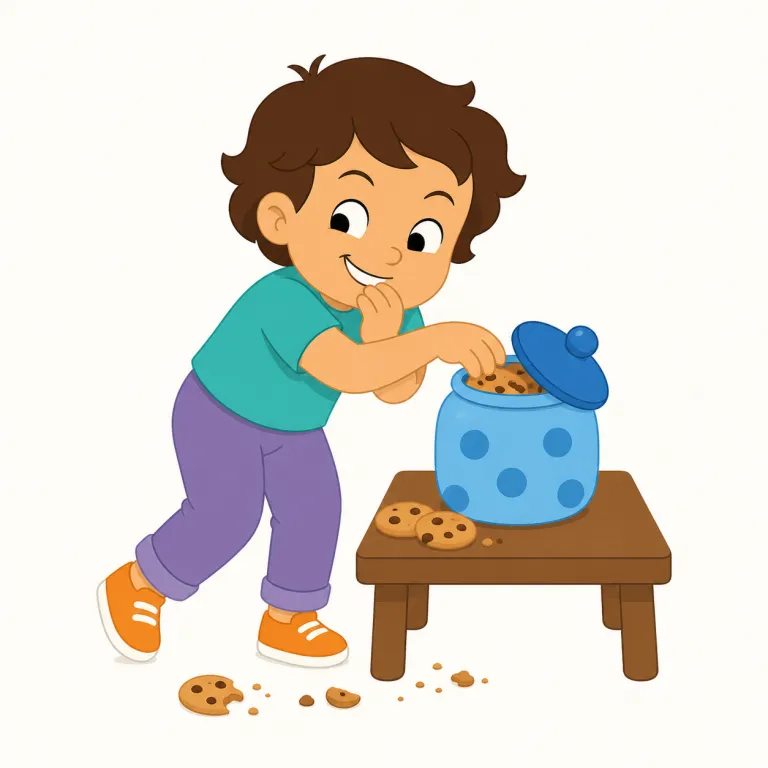
子どもやペットなどが、いたずらをしたり言うことを聞かなかったりして、行儀が悪い様子を表します。深刻な悪意というより、叱られるような軽い悪さやふざけた振る舞いに使われます。大人に使うと、からかうような響きや、文脈によって少しきわどい意味になることもあります。
Naughty describes someone, especially a child, who behaves badly in a playful, rude, or slightly disobedient way. It is often used for minor bad behavior rather than something seriously wrong. For adults, it can sometimes have a joking meaning depending on the situation.
覚え方のコツ Memory Tip
naughty は bad より「子どもっぽく、わざと困らせる」感じで覚えると残りやすい語。a naughty child, be naughty のように、子どもやペットが叱られる場面で非常によく出る。evil のような強い悪意ではなく、「いたずらが過ぎて行儀が悪い」に近い。語感は nice の反対側に置くと整理しやすく、naughty or nice という定番の対比でも覚えられる。大人に使うと少しからかう響きや、文脈次第で「きわどい」意味にもなる点に注意。
Think of `naughty` as softer and more playful than `bad`. It is common for children or pets in phrases like `a naughty child` or `be naughty`, where the idea is causing trouble on purpose. The contrast `naughty or nice` is a strong memory hook.
例文
The naughty puppy stole a sock and ran away.
いたずらな子犬は靴下をくわえて逃げました。
The child gave a naughty grin before taking another cookie.
その子はもう一枚クッキーを取る前に、いたずらっぽく笑いました。
It was a naughty trick, but no one was upset.
それはいたずらでしたが、嫌な思いをした人はいませんでした。
行儀の悪い
(意味 2)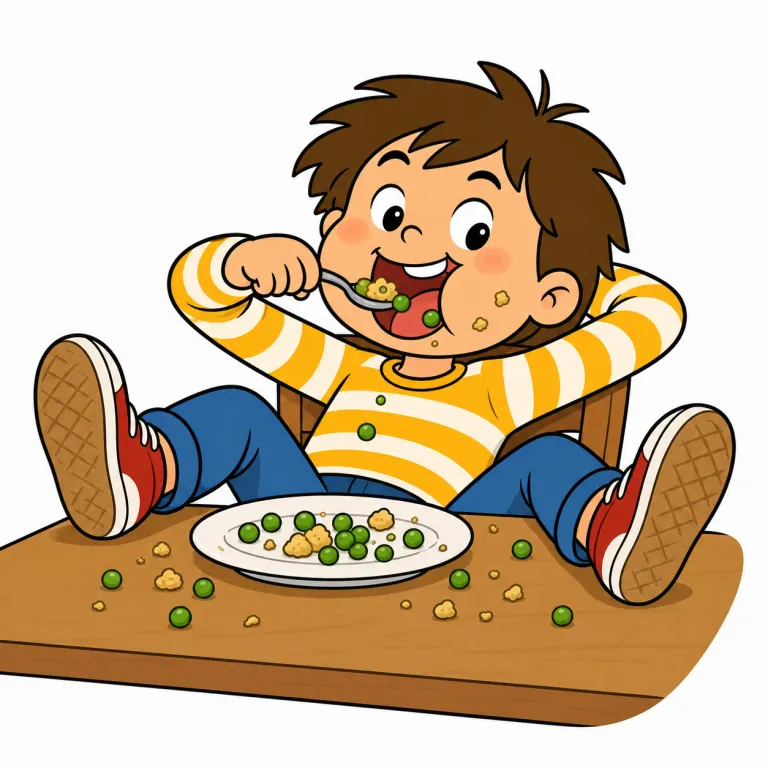
解説 Definition
子どもやペットなどが、言いつけを守らず、わがままに振る舞ったり人に迷惑をかけたりする様子を表す。親や先生が軽くたしなめる場面でよく使われ、重大な悪事というより、日常的で困った行動をやややさしく責める響きがある。
Behaving badly by disobeying instructions or causing small problems, especially when describing children or pets. It usually expresses mild criticism of everyday misbehavior rather than serious wrongdoing.
例文
The children were naughty and refused to sit still.
子どもたちは行儀が悪く、じっと座ろうとしなかった。
Our dog gets naughty when we go out.
うちの犬は、私たちが出かけると行儀が悪くなる。
Don't be naughty at your grandmother's house.
おばあちゃんの家で行儀悪くしないで。
きわどい
(意味 3)
解説 Definition
冗談、写真、会話、服装などが性的な内容を含み、少し下品だったり露骨だったりすることを表す。日常会話では法的な意味の強い「わいせつ」よりも、軽く大人向けで際どいというニュアンスで使われることが多い。
Containing sexual suggestions or details that are slightly rude or embarrassing. It often describes jokes, pictures, or conversations in a playful, mildly disapproving way.
覚え方のコツ Memory Tip
naughty は子どもの「いたずらな」から一歩ずれて、大人の冗談や写真では「少し悪ふざけで性的にきわどい」と覚えると残ります。a naughty joke は行儀の悪い子どもの話ではなく、聞く人を少し赤面させるような大人向けの冗談です。obscene ほど法的・強烈ではなく、playful で下品ぎりぎり、という軽い語感を意識すると使い分けやすいです。
Picture a naughty joke making an adult listener blush. Remember the word here as playfully rude and sexually suggestive, with a lighter tone than obscene.
例文
He told a naughty joke at the party.
彼はパーティーできわどい冗談を言った。
This magazine isn't for kids because it has some naughty pictures.
その雑誌はきわどい写真があるので子ども向けではない。
The movie is playful but has a few naughty scenes.
その映画は軽妙だが、少しきわどい場面がある。
naughty の類義語・関連語
naughty の語源・成り立ち Etymology
naughty は naught / nought「無・何もない」に -y が付いた語で、もとは「持たざる、値打ちのない」の意味でした。naught は古英語 nāwiht「何もない」に由来し、そこから「悪い」「行儀が悪い」へ意味がずれました。nought や aught と並べると形の理由が見えます。
Naughty comes from naught or nought, meaning "nothing," with the adjective ending -y. It originally meant "having nothing" or "worthless," from Old English nawiht, "nothing at all." Over time, the sense moved from "bad" or "poor" in quality to "badly behaved," especially when used about children; compare nought and aught.
同じレベルの語彙をもっと
英検準1級の一覧へ →外部辞書で調べる
この英単語をクイズで覚えよう