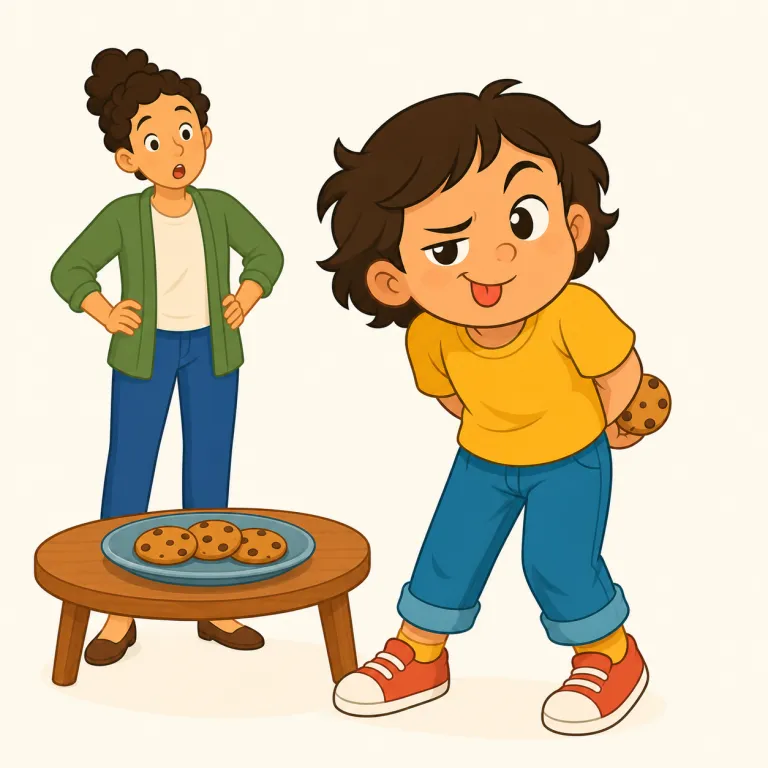
cheeky
cheeky は英検準1級・TOEIC 860・TOEFL 80・IELTS 6.5レベルの英単語で、「生意気な」という意味があります。発音記号は /ˈtʃiːki/ です。
生意気な
解説 Definition
「生意気な」とは、礼儀をわきまえずに失礼な発言や行動をする様子を表す形容詞です。特に目上の人に対して無遠慮に振る舞う態度を指し、やや否定的なニュアンスを持ちます。
Cheeky describes someone who is a little rude or too confident in a playful or bold way. It is often used when a person says or does something surprising without showing enough respect. Depending on the situation, it can sound amusing or slightly annoying.
覚え方のコツ Memory Tip
cheeky はまず名詞 cheek を知っていると覚えやすいです。英語では have the cheek to ... で「よくも厚かましく〜する」という言い方があり、そこから「ずうずうしい・生意気な」に結びつきます。a cheeky comment, a cheeky grin のように、ただ失礼なだけでなく「小生意気で、少し茶目っ気がある」場面でもよく使います。rude より軽く、playful に近いこともあるので、そのニュアンス差ごと覚えると定着します。
Think of the noun "cheek." In English, "have the cheek to ..." means to be bold or a little too confident, and that leads to "cheeky." It is often lighter than "rude," and can sound playful in phrases like "a cheeky grin" or "a cheeky comment."
例文
The cheeky student answered back to the teacher without hesitation.
その生意気な生徒はためらうことなく教師に口答えをした。
She gave him a cheeky grin after winning the argument.
彼女は議論に勝った後、生意気な笑みを見せた。
Don't be cheeky with your elders; show some respect.
目上の人に生意気な態度を取らずに、敬意を示しなさい。
えいたんごクイズでの正答率
この語をはじめて出題された 38人 のうち 27人 が正解しました(71%)。
えいたんごクイズの回答から集計した独自データです。1人につき最初に出題されたときの1回だけを数えており、復習や2回目以降の回答、「わからない」と時間切れは含みません。 集計時点は 2026年9月19日 です。
cheeky の類義語・関連語
派生語
紛らわしい語
cheeky の語源・成り立ち Etymology
cheeky は古英語 ceace「顎・頬」に由来する cheek に、接尾辞 -y「〜の性質をもつ」が付いた語です。cheek や cheekbone と同根で、顔の「頬」が転じて「ずうずうしい態度」を表すようになったため、cheeky は生意気さを顔に出す感じだと覚えやすいです。
Cheeky comes from cheek with the adjective suffix -y, meaning "having the quality of." Cheek comes from Old English ceace, meaning "jaw" or "cheek." Because cheek later came to suggest bold or impudent behavior, cheeky developed the sense of showing that attitude openly. A related word is cheekbone.
同じレベルの語彙をもっと
英検準1級の一覧へ →外部辞書で調べる
この英単語をクイズで覚えよう