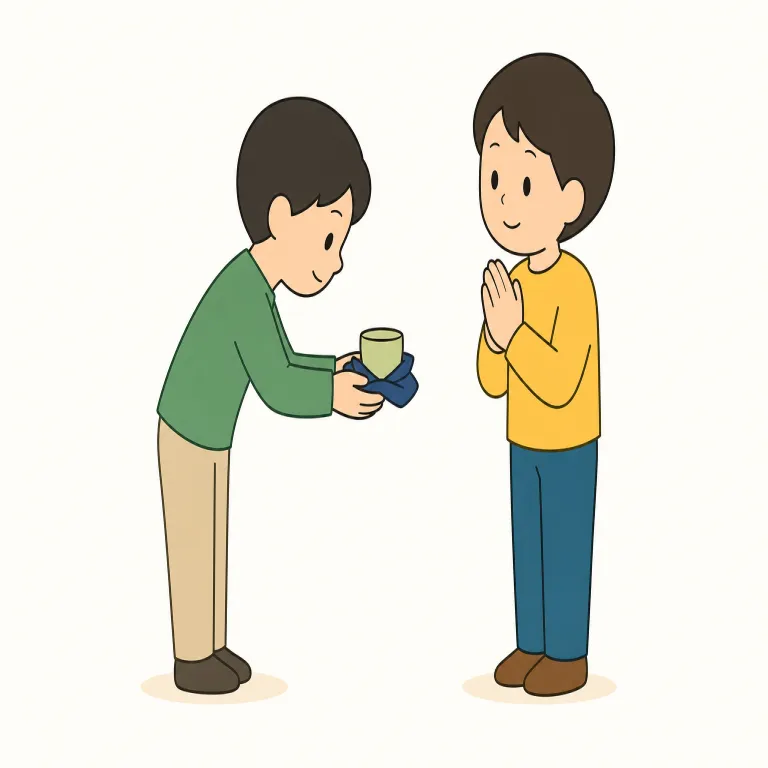
polite
polite は英検準2級・TOEIC 600レベルの英単語で、「礼儀正しい」という意味があります。発音記号は /pəˈlaɪt/ です。
礼儀正しい
解説 Definition
丁寧なとは、相手に対して敬意を示し、礼儀正しく、丹念に対応する様子です。言葉遣いや態度が相手を尊重していることを表します。
Polite means showing good manners and respect toward other people. It is used for behavior, words, or actions in social situations, such as speaking kindly or waiting your turn. It often suggests being careful not to upset or offend others.
覚え方のコツ Memory Tip
polite はまず反対語 rude をセットで覚えると定着しやすいです。kind が「親切」、friendly が「感じがよい」なのに対し、polite は「言い方・態度が礼儀にかなっている」という語。be polite to everyone, polite language, polite reply などの形でよく出ます。丁寧でも少し形式的な場面にも使え、smile や kind より“マナーが整っている”感覚で押さえるとぶれません。
Remember `polite` together with its opposite, `rude`. `Polite` is not exactly the same as `kind` or `friendly`; it focuses more on good manners and the right way to speak or act. Phrases like `be polite to`, `polite reply`, and `polite language` help fix it in memory.
例文
He is polite and always says please.
彼は礼儀正しく、いつも「お願いします」と言います。
She uses polite language with her teacher.
彼女は先生に丁寧な言葉を使います。
Tom is polite and thanks his mother.
トムは礼儀正しく、母親にお礼を言います。
えいたんごクイズでの正答率
この語をはじめて出題された 64人 のうち 55人 が正解しました(86%)。
えいたんごクイズの回答から集計した独自データです。1人につき最初に出題されたときの1回だけを数えており、復習や2回目以降の回答、「わからない」と時間切れは含みません。 集計時点は 2026年9月19日 です。
polite の類義語・関連語
polite の語源・成り立ち Etymology
polite はラテン語 politus「磨かれた、洗練された」に由来し、動詞 polire「磨く」が語根である。物の表面を磨く感覚が人の態度や言葉づかいに移り、「礼儀正しい」へ育った。polish や polished にも同じ発想が流れている。
"Polite" comes from Latin "politus," meaning "polished" or "refined," from the verb "polire," "to polish." The word first suggested something made smooth and elegant. Later, that image of being polished moved from objects to manners and speech, as in related words like "polish" and "polished."
同じレベルの語彙をもっと
英検準2級の一覧へ →外部辞書で調べる
この英単語をクイズで覚えよう