つや出し剤、磨き剤
noun 名詞物の表面につやを出したり保護したりするために塗るクリームや液体などを指す。shoe polish、furniture polish のように、用途や対象を表す名詞を前に置いて使うことが多い。
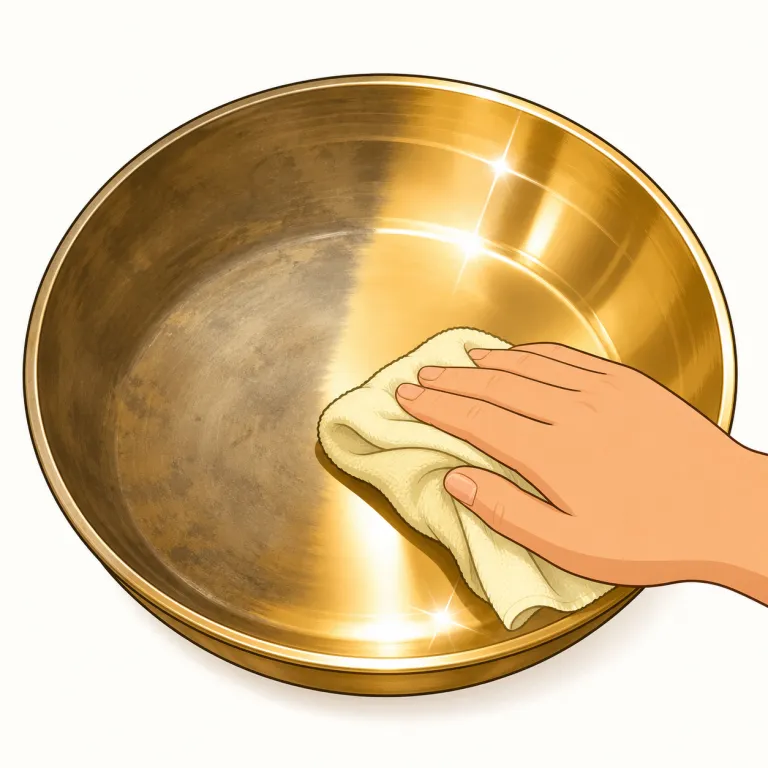
polish はTOEIC 860・TOEFL 80・IELTS 6.5レベルの英単語で、「磨く」という意味があります。発音記号は /ˈpoʊlɪʃ/ です。
布やブラシなどで物の表面をこすり、汚れやくすみを取り除いて滑らかにしたり、つやを出したりすること。そこから、文章や技能などに手直しを加えて完成度を高める意味でも使われる。
To polish means to rub or treat a surface to make it smooth, clean, and shiny. It can also mean to improve something carefully, such as writing, a performance, or a skill. The word is often used for both physical cleaning and final improvement.
まず「表面をつやつやにする」具体イメージで覚えると定着しやすいです。polish shoes, polish silver のように物を磨くのが基本で、そこから polish your English, polish a presentation のように「最後の手直しをして完成度を上げる」という抽象的意味へ広がります。rough なものを smooth に近づける動詞、と置くと忘れにくいです。名詞 polish は「つや・光沢」、大文字の Polish は「ポーランドの」で別物なので混同に注意。
Start with the clear image of making a surface shiny: polish shoes, polish silver. From there, it is easy to remember the wider use in polish your English or polish a presentation, where you improve the final quality. Watch the capital letter: Polish with a big P is about Poland, not this verb.
I polish my shoes.
私はくつを磨きます。
She polishes the silver cup.
彼女は銀のカップを磨きます。
He polishes the desk.
彼は机を磨きます。
文脈によって、次の意味でも使われます。
物の表面につやを出したり保護したりするために塗るクリームや液体などを指す。shoe polish、furniture polish のように、用途や対象を表す名詞を前に置いて使うことが多い。
ラテン語 polire(滑らかにする)が古フランス語 polir を経て英語に。pol-(磨く)が語根で、表面を滑らかに仕上げる意。関連語:polite(磨かれた→礼儀正しい)、polish(ポーランドの)は別語源。人を「磨く」と礼儀正しくなる、という発想が面白い。
Polish in the verb sense comes through Old French polir from Latin polire, meaning "to smooth" or "make glossy." The idea was to rub a surface until it became smooth and refined. English later extended this sense to people and skills, as in making manners or style more refined; polite is from the same Latin root.
この英単語をクイズで覚えよう