
formal
formal は英検準2級・TOEIC 730・TOEFL 60・IELTS 5.5レベルの英単語で、「正式な、改まった、正装の」という意味があります。発音記号は /ˈfɔːrməl/ です。
正式な
解説 Definition
公式的で厳密である。カジュアルではなく、正式な手続きや規則に従う。
Formal describes something that is official, serious, or done according to accepted rules or customs. It is often used for language, clothes, events, and behavior in professional or important situations. Formal things usually sound or look more careful and less relaxed.
覚え方のコツ Memory Tip
formal は informal の反対としてまず固定すると覚えやすい語。服装・会議・文書で「くだけていない」「公的な場に合う」感じを表し、a formal meeting, a formal letter, formal attire のような形でよく出る。polite が「礼儀正しい」に寄るのに対し、formal は手続き・場のルール・話し方まで含めて「正式で形式ばった」ニュアンス。official は「当局が認めた」、formal は「型に沿っている」で少し違う、と分けると混同しにくい。
Remember `formal` first by contrasting it with `informal`. It is often used for clothes, writing, meetings, and speech when the style follows rules and is not casual. It is close to `official`, but `formal` focuses more on correct style and proper form.
例文
This is a formal letter.
これは正式な手紙です。
She made a formal request for more time.
彼女は時間の延長を正式に求めました。
This became a formal school rule.
これは正式な校則になりました。
えいたんごクイズでの正答率
この語をはじめて出題された 31人 のうち 31人 が正解しました(100%)。
えいたんごクイズの回答から集計した独自データです。1人につき最初に出題されたときの1回だけを数えており、復習や2回目以降の回答、「わからない」と時間切れは含みません。 集計時点は 2026年9月19日 です。
改まった
(意味 2)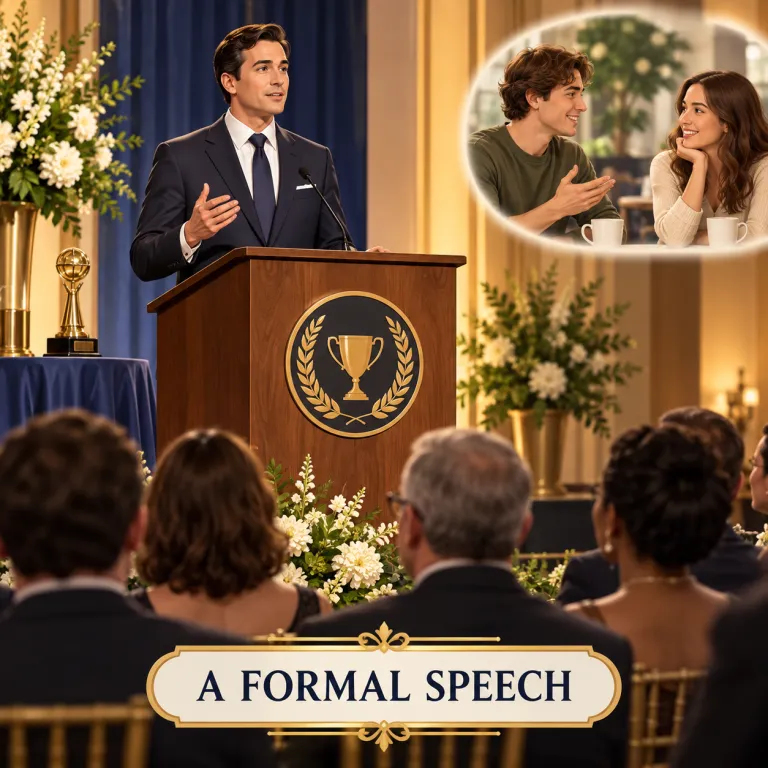
解説 Definition
話し方・文章・態度・場面などが、くだけておらず礼儀を意識した改まった感じであることを表します。日常会話より会議、式典、ビジネス文書で使われやすく、相手との距離や場の格式を示す語です。文脈によっては少し堅苦しいという響きもあります。
Following careful conventions of language, behavior, or dress appropriate to serious or ceremonial situations. It describes an unrelaxed style that can sometimes feel stiff or distant.
例文
He gave a formal speech at the ceremony.
彼は式典で改まったスピーチをした。
The email was too formal for a close friend.
そのメールは親しい友人に送るには改まりすぎていた。
We need a more formal tone in this report.
この報告書ではもっと改まった文体が必要だ。
正装の
(意味 3)
解説 Definition
服装や催しのドレスコードについて、普段着ではなく式典や公式の場にふさわしいきちんとした装いであることを表します。スーツ、タキシード、イブニングドレスなどが典型で、招待状の服装指定でもよく見られます。場の格式に合わせた服を求める語です。
Describes clothing suitable for ceremonies or occasions with a strict dress code, such as suits or evening dresses. It also describes events where guests are expected to dress this way.
例文
The invitation says it is a formal dinner.
招待状には、正装で出席する夕食会だと書かれている。
She bought a formal dress for the awards ceremony.
彼女は授賞式のためにフォーマルドレスを買った。
He changed into formal clothes before the reception.
彼は披露宴の前に正装に着替えた。
formal の類義語・関連語
派生語
formal の語源・成り立ち Etymology
formal はラテン語 formalis に由来し、さらに forma「形・型」にさかのぼります。語尾 -al は「…に関する」を表すので、もともとは「形にかなった」が転じて「正式な」となりました。関連語に form, reform があります。
Formal comes from Latin formalis, based on forma, meaning "shape" or "form." It first carried the idea of something shaped properly or according to a set pattern. From there, it developed into the sense of being official, regular, or following accepted rules. Related words include form and reform.
同じレベルの語彙をもっと
英検準2級の一覧へ →外部辞書で調べる
この英単語をクイズで覚えよう