
proper
proper は英検準2級・TOEIC 600レベルの英単語で、「適切な、正式な、本来の、固有の」という意味があります。発音記号は /ˈprɑpɚ/ です。
適切な
解説 Definition
状況・目的・基準に合っていて、適切であることを表します。服装・道具・方法・態度などが、その場にふさわしくきちんとしている場合に使います。礼儀や形式に合う意味でも使われますが、それだけに限らず一般的な「適切な」に広く使えます。
Proper means correct, suitable, or socially acceptable in a particular situation. It is used when talking about the right way to do something, behave, dress, or use language. The exact meaning often depends on rules, customs, or standards.
覚え方のコツ Memory Tip
proper は「ただ正しい」より、「場にふさわしく、きちんとしている」をまとめて思い出すと残りやすい。correct が答えの正誤、appropriate が状況への適合なら、proper は礼儀・形式・社会的基準まで含む語。a proper meal, proper clothes, proper behavior のように、食事・服装・態度と相性がいい。very proper は「堅く上品」、不適切なら not proper。
Connect `proper` with the idea of fitting a situation, rule, or standard. Phrases such as `proper shoes`, `proper behavior`, and `the proper way` all describe something suitable or correct for its purpose. Contrast it with `improper` to make the meaning easier to remember.
例文
Wear proper shoes for gym class.
体育の授業に合った靴を履きなさい。
Use a proper cup for hot tea.
熱いお茶に合ったカップを使いなさい。
This is the proper way.
これが適切なやり方です。
えいたんごクイズでの正答率
この語をはじめて出題された 51人 のうち 41人 が正解しました(80%)。
えいたんごクイズの回答から集計した独自データです。1人につき最初に出題されたときの1回だけを数えており、復習や2回目以降の回答、「わからない」と時間切れは含みません。 集計時点は 2026年9月19日 です。
正式な、本来の
(意味 2)
解説 Definition
ものごとが仮の形や間に合わせではなく、きちんとした完全な形であることを表す。食事・仕事・会議などについて「ちゃんとした」「正式の」という感じで使われ、代用品ではない本来のものだという含みを持つ。口語では、期待に見合う水準に達していることを強めて言う場合もある。
Having the full, real form expected of something, rather than being a temporary substitute. It can describe a substantial meal, a regular job, or a fully organized meeting.
覚え方のコツ Memory Tip
proper は「仮ではなく、ちゃんと正式・本来の形になっている」と思い出すと残りやすい。a proper meal は間に合わせでないちゃんとした食事、a proper job は本格的な仕事、a proper meeting はきちんと開かれる会議です。礼儀正しい・適切なという意味もありますが、ここでは「本来そうあるべき形が整っている」感覚を中心に押さえると使いやすいです。
Picture sitting down to a complete meal after getting by on snacks. A proper meal gives you the image of something provided in its full, expected form.
例文
We had a proper meal.
私たちはちゃんとした食事をとった。
She wants a proper job.
彼女はちゃんとした仕事を望んでいる。
We have a proper meeting tomorrow.
明日は正式な会議をする。
固有の
(意味 3)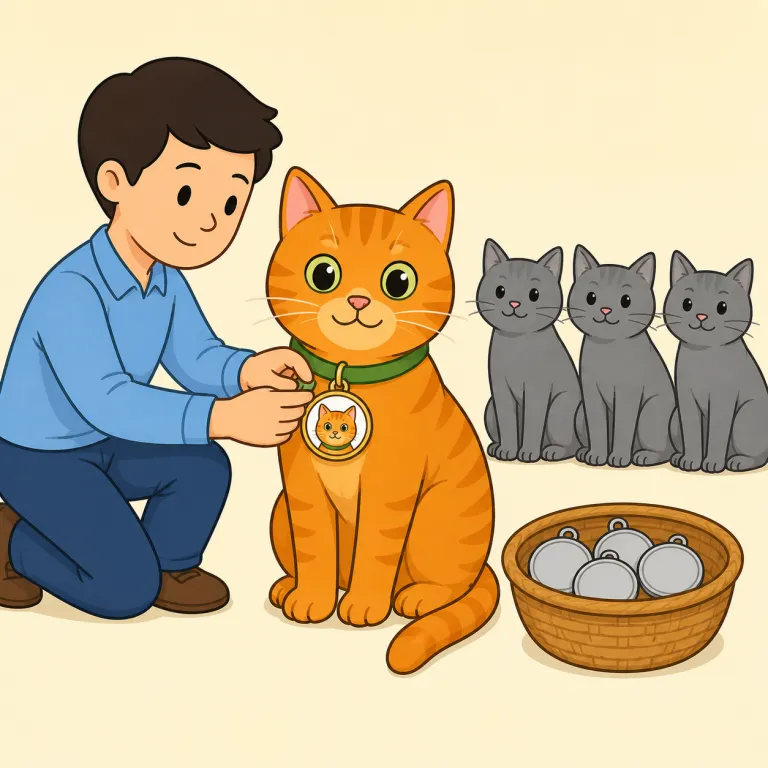
解説 Definition
ある人・物・分野そのものに属する、または他と区別される固有の性質を表す。特に文法では proper noun の形で「固有名詞の」を意味し、一般名詞ではなく特定の名前を指すときに使う。専門的でやや限定された用法。
Belonging specifically to a particular person, thing, or field. In grammar, it describes a noun or name identifying a particular person, place, or thing rather than a general class.
覚え方のコツ Memory Tip
proper は「適切な」だけでなく、「そのものに固有の」として覚える語です。proper noun なら、cat や city のような一般名詞ではなく、Tokyo や John のように特定のものだけに属する名前を指します。proper name / proper noun の形でまとめて覚えると、礼儀正しくきちんとした proper とは切り分けやすいです。大文字で始まる固有名詞の場面と結びつけると定着します。
Compare city with Tokyo: one names a general kind of place, while the other identifies a particular place. Link proper noun and proper name with specific names and their capital letters.
例文
Tokyo is a proper noun.
Tokyo は固有名詞だ。
A proper noun begins with a capital letter.
固有名詞は大文字で始まる。
Mars is a proper name.
Mars は固有名だ。
proper の類義語・関連語
proper の語源・成り立ち Etymology
proper は古フランス語 propre、さらにラテン語 proprius「その人自身の・固有の」に由来します。pro- と privus「個別の」が背景にあり、「そのものに固有」から「ふさわしい・適切な」へ意味が伸びました。関連語は property、proprietary です。
Proper came into English through Old French propre, from Latin proprius, meaning "one's own" or "special to itself." The basic idea was something belonging especially to a person or thing. From there, the meaning grew into "suitable," "correct," or "appropriate," and related English words include property and proprietary.
同じレベルの語彙をもっと
英検準2級の一覧へ →外部辞書で調べる
この英単語をクイズで覚えよう