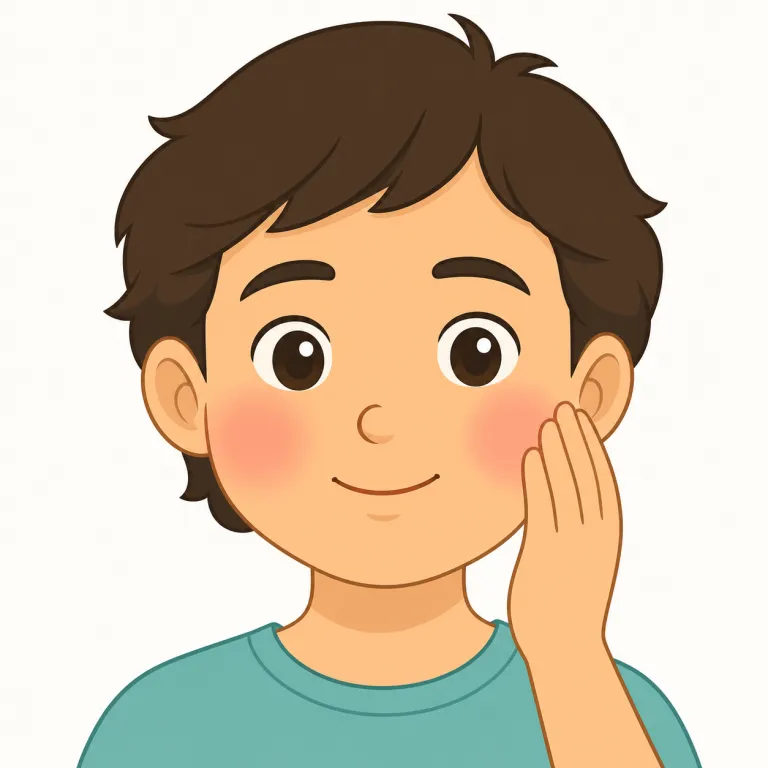
cheek
cheek はTOEIC 600レベルの英単語で、「頬、生意気さ、厚かましさ」という意味があります。発音記号は /tʃiːk/ です。
意味一覧 (2件)
頬
解説 Definition
顔の両側にある柔らかい部分です。笑顔を作ったり食べ物をかんだりするときによく動きます。温度や感情を感じやすい場所でもあります。
The cheek is the soft side part of the face below the eye and beside the mouth. It is a basic body-part word used in everyday English. In some expressions, cheek can also suggest rude confidence, but that is a different meaning from the body part.
覚え方のコツ Memory Tip
face の一部として覚えると定着しやすい語。smile すると cheeks が上がる、cold で cheeks が赤くなる、という場面をセットで思い浮かべるとよいです。口の近くなので chew(かむ)や kiss on the cheek の表現ともつながります。cheek は「頬」で、chin(あご)や jaw(あご骨)とは別。複数形 cheeks で出ることも多く、左右に一つずつある感覚で覚えると混同しにくいです。puff out your cheeks(頬をふくらませる)のように、表情やしぐさと一緒に覚えるとさらに残ります。
Remember `cheek` through face expressions: your cheeks rise when you smile, and they turn red in the cold. Useful phrases are `kiss on the cheek` and `puff out your cheeks`. Do not confuse it with `chin` or `jaw`.
例文
She pinched his cheek affectionately.
彼女は愛情を込めて彼の頬をつねった。
The child's cheeks turned red from playing.
子どもは遊んでいて頬が赤くなった。
Tears rolled down her cheeks.
涙が彼女の頬を伝わって落ちた。
えいたんごクイズでの正答率
この語をはじめて出題された 31人 のうち 29人 が正解しました(94%)。
えいたんごクイズの回答から集計した独自データです。1人につき最初に出題されたときの1回だけを数えており、復習や2回目以降の回答、「わからない」と時間切れは含みません。 集計時点は 2026年9月19日 です。
生意気さ、厚かましさ
(意味 2)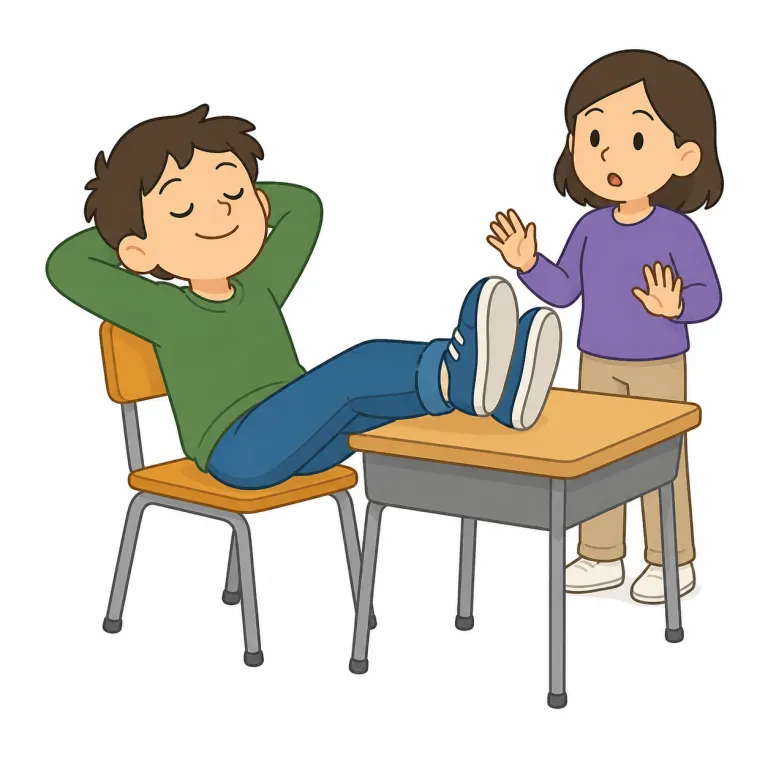
解説 Definition
人に対して失礼なくらい大胆で、生意気だと感じられる態度や言動を表す名詞です。特に英式英語でよく使われ、相手の図々しさや遠慮のなさにあきれるような場面で使われます。
Rude boldness shown in someone's words or behavior. This informal noun is especially common in British English when expressing annoyance or disbelief at someone's lack of respect.
覚え方のコツ Memory Tip
顔の cheek(頬)から比喩で覚えると定着しやすい語。普通なら遠慮して言えないことを、頬を突き出すように平気な顔で言う態度を思い浮かべるとよいです。have the cheek to do は「厚かましくも〜する」の定番表現。body part の cheek は顔の部位ですが、この語義では顔そのものではなく、相手に失礼なくらい大胆な生意気さを表します。rudeness より少し口語的で、英式英語ではあきれた感じをこめてよく使われます。
Picture someone pushing their face forward and making an outrageous request without embarrassment. Use that image to remember "have the cheek to do something," meaning to act with rude boldness.
例文
I couldn't believe the cheek of that comment.
その発言の厚かましさが信じられなかった。
He had the cheek to ask for more money.
彼は厚かましくもさらにお金を求めた。
The teacher was shocked by her cheek.
先生は彼女の生意気さに驚いた。
cheek の類義語・関連語
cheek の語源・成り立ち Etymology
「cheek」は古英語 ceace「顎・あご骨」に由来し、西ゲルマン系の古い語で、はっきりした接頭辞や接尾辞には分けにくい単語です。chin や jowl と近い仲間で、もとは頬より広く「顎まわり」を指したと思うと、顔の輪郭を支える部分としての頬の感覚が見えてきます。
From Old English ceace, meaning "jaw" or "jawbone," from an old Germanic source. The word originally referred more broadly to the jaw area than to the soft part of the face alone. Over time, it became more closely connected with the side of the face; it is related in sense to words like chin and jowl.
同じレベルの語彙をもっと
TOEIC 600の一覧へ →外部辞書で調べる
この英単語をクイズで覚えよう