挟み口、あご部
noun 名詞万力・ペンチ・機械などで、物を両側から挟んで固定したり砕いたりする部分を指します。通常は左右一対なので jaws と複数形で使われることが多く、身体の顎から形や働きをたとえた語義です。
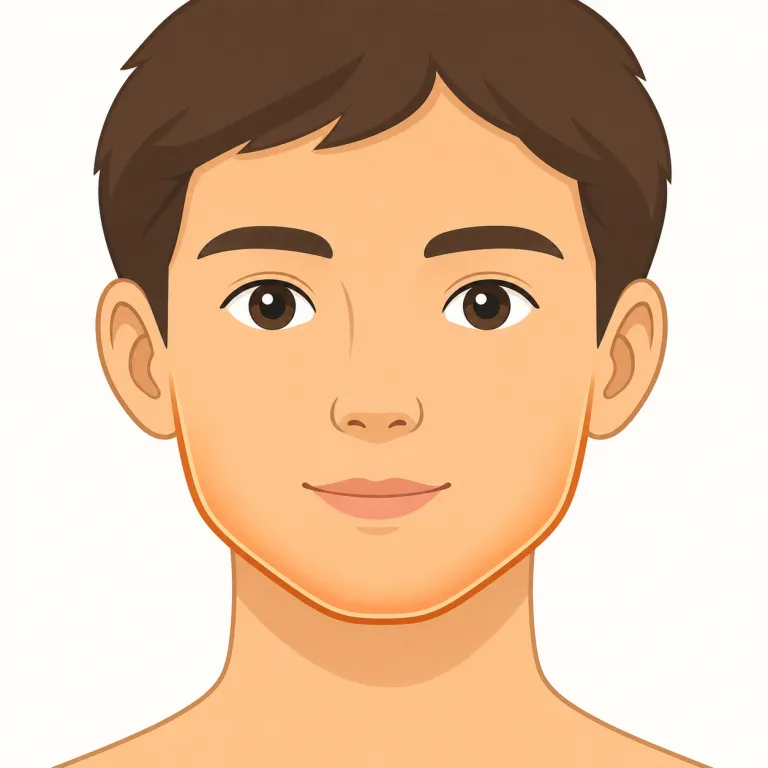
jaw はTOEIC 860・TOEFL 80・IELTS 6.5レベルの英単語で、「顎」という意味があります。発音記号は /d͡ʒɔː/ です。
顎とは下顔面にあって上下の歯を支える骨などの構造およびその周囲の部分を指す名詞です。咀嚼の力を受け止めて食べ物をかみ砕き、口の開閉や発音の動きを助ける重要な器官です。顔の輪郭を形づくる骨格の一部として、見た目の印象にも影響します。
The jaw is the bone structure in the mouth area that holds the teeth and helps you bite and chew. It can mean either the upper or lower part, but often refers especially to the lower moving part. The word is used in everyday language and in medical contexts.
mouth(口)や tooth(歯)と一緒に覚えると定着しやすい語。jaw は「食べる・話すときに上下に動く、歯を支える骨っぽい部分」。顔の先端の chin(あご先)とは別物なので混同しない。lower jaw / upper jaw の形で位置関係ごと覚えるとよい。clench your jaw(歯を食いしばる), a broken jaw(顎の骨折), jaw dropped(あ然として口が開く)など、口の開閉や力みの場面に結びつけると残りやすい。動詞 jaw もあるが、まずは名詞の基本像を固める。
Learn `jaw` with `mouth` and `teeth`: it is the hard part that moves when you speak or eat. Do not mix it with `chin`, which is the front point under the mouth. Phrases like `clench your jaw`, `lower jaw`, and `jaw dropped` make the image easy to keep.
The boxer received a powerful blow to the jaw.
ボクサーは顎に強い一撃を受けた。
His jaw hurt after he ate hard candy.
硬いあめを食べたあと、彼は顎が痛くなった。
The dentist examined my jaw carefully.
歯科医は私の顎を注意深く調べた。
文脈によって、次の意味でも使われます。
万力・ペンチ・機械などで、物を両側から挟んで固定したり砕いたりする部分を指します。通常は左右一対なので jaws と複数形で使われることが多く、身体の顎から形や働きをたとえた語義です。
jaw は中英語 jawe(異形 jowe)に由来しますが、それ以前の起源は不確かです。chew と同系統の語根を持つとは断定できません。動詞 jaw「長々と話す」は、話す際に顎を動かすことから生じた用法です。
Jaw comes from Middle English jawe, also spelled jowe, but its earlier origin is uncertain. It cannot be confidently identified as a cognate of chew. The verb jaw, meaning to talk at length, developed from the noun through the image of moving the jaws while speaking.
この英単語をクイズで覚えよう
jaw の収録語義を確認して、まとめて学べる単語帳を選べます。
収録語義:顎
作成者:西村/learningBOX/競プロアカ