jawing
jawing はTOEIC 860・TOEFL 80・IELTS 6.5レベルの英単語で、「だらだら話す/がみがみ言う」という意味があります。発音記号は /ˈdʒɔːɪŋ/ です。
だらだら話す/がみがみ言う
解説 Definition
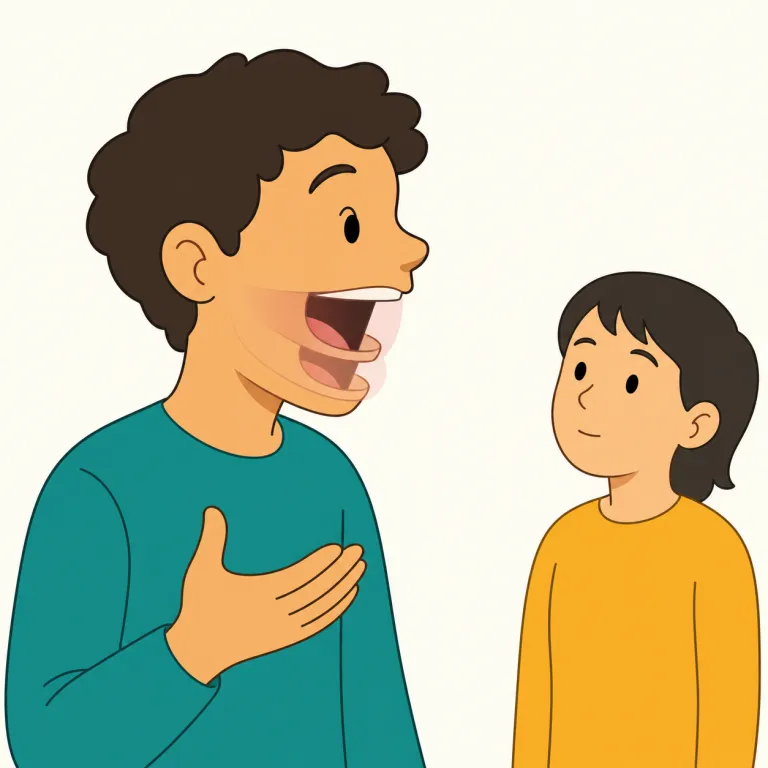
jawing は口語で、長々としゃべる、またはがみがみ言うことを表します。jaw「顎」から、顎を動かし続けるイメージで、会話や文句が続く場面に使われます。
Jawing means talking a lot in a noisy, rough, or argumentative way. It can describe complaining, scolding, or speaking endlessly without much useful result. The word is informal and often has a slightly negative feeling.
覚え方のコツ Memory Tip
jawing は jaw「顎」を動かし続ける姿から、「だらだらしゃべる」「がみがみ言う」と覚えると定着しやすい。内容のある talk より、話が長く、聞き手にはうるさく感じられる口語表現。jaw about+話題なら「〜についてくどくど話す」、jaw at+人なら「人にがみがみ言う」と整理できる。Stop jawing and get back to work. と、口ばかり動かす人を仕事へ戻す場面で固定するとよい。
Think of `jaw` first: your jaw keeps moving when you chew or talk. `Jawing` suggests the mouth going on and on, especially in the sense of talking too much or nagging. It feels more tiring and noisy than simple `talking`.
例文
He kept jawing about the referee's decision.
彼は審判の判定についてだらだら話し続けました。
Stop jawing and get back to work.
おしゃべりはやめて仕事に戻りなさい。
The coach was jawing at the players from the sideline.
コーチはサイドラインから選手たちにがみがみ言っていました。
jawing の類義語・関連語
jawing の語源・成り立ち Etymology
jaw は古英語 ceafl「顎」にさかのぼるゲルマン系の語で、jawing はそこに -ing が付いた形です。jawbone や jawline と同じ語根で、顎を動かしている様子から「くどくど話す」という意味にも広がりました。
Jawing comes from jaw, which goes back to Old English ceafl and older Germanic roots. At first it referred simply to the jaw itself. From the image of moving the jaws while speaking, the verb developed the sense of talking at length or scolding. Related words include jawbone and jawline.
同じレベルの語彙をもっと
TOEIC 860の一覧へ →外部辞書で調べる
この英単語をクイズで覚えよう