
rise
rise は英検4級・TOEIC 730・TOEFL 60・IELTS 5.5レベルの英単語で、「上がる、昇る、上昇、増加、立ち上がる」という意味があります。発音記号は /raɪz/ です。
意味一覧 (2件)
上がる、昇る
/ noun 名詞 上昇、増加
解説 Definition
物の位置・水準・温度・価格などが下から上へ動いたり、数値や程度が高くなったりするときに使う。太陽や煙が上にのぼる場合にも用いられ、主語そのものが自然に上方へ移る感じを表す。人が何かを上げる raise とは違い、自動的な変化や移動が中心。
To move upward or become higher in level, amount, or degree. The subject itself moves or changes, as with smoke, temperature, or prices, and the verb takes no direct object.
覚え方のコツ Memory Tip
rise は、主語そのものが下から上へ動く様子を表すと覚えよう。the sun rises、smoke rises、a balloon rises のように、太陽・煙・風船が自ら上方へ進む絵を共通イメージにする。位置だけでなく、温度や価格など数値が高くなる場合にも同じ「上向きの矢印」が使える。特に raise は「人が何かを上げる」で目的語を取るが、rise は「何かが上がる」で目的語を取らない。rise–rose–risen の変化も一緒に押さえると使いやすい。
Picture an upward arrow beside smoke, a balloon, or a price label. With rise, the subject itself goes up; raise takes an object that someone or something moves upward. Remember the forms rise, rose, and risen.
例文
The sun rises every morning.
太陽は毎朝昇ります。
Smoke rises from the fire.
煙が火から上がります。
The balloon rises in the sky.
風船が空に上がります。
立ち上がる
(意味 2)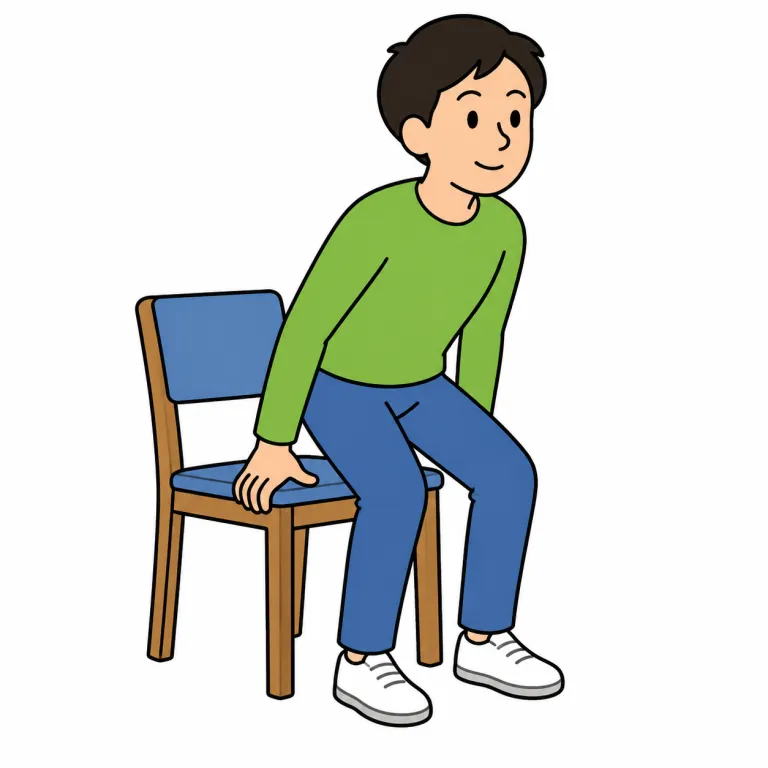
解説 Definition
座った姿勢や横になった状態から体を起こして立つことを表す。会議で席を立つ、転んだあとに起きる、あいさつや敬意を示して立つなど、人が自分の体を動かして立ち上がる場面でよく使う。物を持ち上げる意味ではなく、姿勢の変化に焦点がある。
To move from sitting or lying down into a standing position. It is used when someone stands to greet another person, show respect, or recover after a fall.
覚え方のコツ Memory Tip
rise は「下にある体がすっと上へ起きる」と考えると、立ち上がる意味が覚えやすい語です。rise from a chair は椅子から体を起こして立つこと、rise to one's feet は足で立つ姿勢になること。prices rise のような「値上がり」も同じ上向きの感覚ですが、ここでは数値ではなく人の姿勢の変化が中心です。raise は「何かを上げる」他動詞なので、自分の体が上がる rise と切り分けると定着します。
Picture someone lifting their body from a chair until they are standing. Learn rise from a chair and rise to one's feet as complete phrases, with the person changing position as the subject.
例文
She rose from her chair to greet us.
彼女は私たちを迎えるため椅子から立ち上がった。
He slowly rose to his feet after the fall.
彼は転んだあとゆっくり立ち上がった。
Everyone rose when the judge entered the room.
裁判官が部屋に入ると全員が立ち上がった。
rise の類義語・関連語
類義語
対義語
rise を含む表現
句動詞・イディオムなど 3 件。クリックで各表現の詳細へ。
rise の語源・成り立ち Etymology
rise は古英語 risan「立ち上がる」に由来するゲルマン系の語で、細かく分けるより「下から上へ動く」という核イメージが重要です。arise や uprising も同根で、太陽や値段が上へ向かう感覚から、名詞でも「上昇」を表すようになりました。
The word comes from Old English risan, meaning to stand up, and is Germanic in origin. Arise and uprising share its root.
同じレベルの語彙をもっと
英検4級の一覧へ →外部辞書で調べる
この英単語をクイズで覚えよう