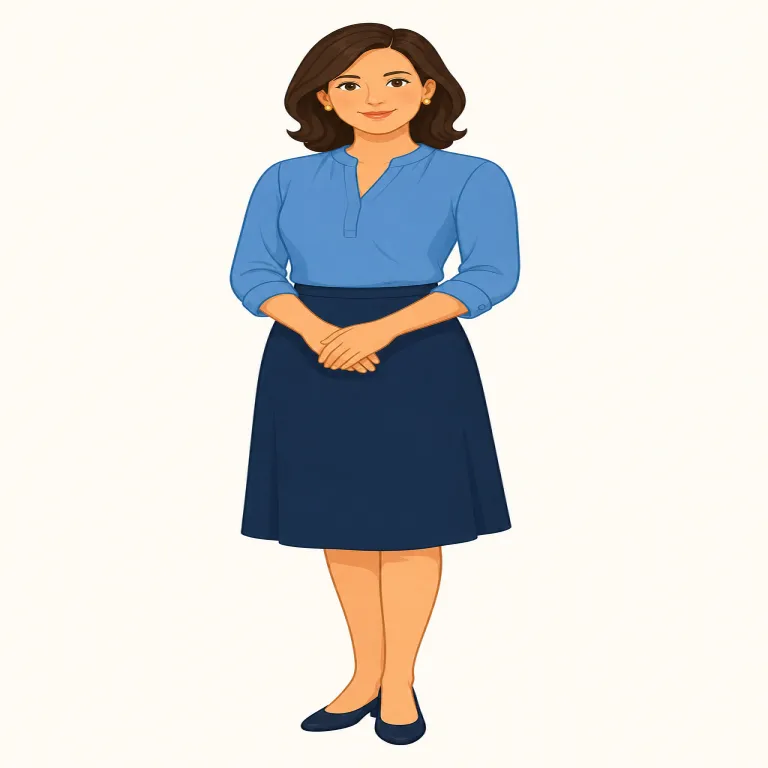
女性
解説 Definition
「婦人、女性」は成人した女性を丁寧に、または改まった表現で指す名詞です。一般的な表現である「woman」に対し、「lady」は礼儀正しさや上品さ、あるいは敬意を示す感覚を伴います。式典などで「ご婦人・紳士の皆様」というような丁寧な呼びかけに使われます。
A lady is a woman, especially when you speak politely or want to sound respectful. It is common in formal or service situations, but in some contexts it can sound old-fashioned or more focused on manners than simple gender.
覚え方のコツ Memory Tip
woman より丁寧で、相手をやや上品・礼儀正しく呼ぶ語だとセットで覚えると残りやすいです。単に性別を述べるなら woman、呼びかけや案内、接客、式典なら lady / ladies を使いやすい、と場面で分けると整理できます。たとえば ladies and gentlemen, young lady, an elderly lady などは「失礼になりにくい言い方」。girl は年齢が若い響き、lady は成人で品位を感じさせる語。逆に中立的な説明では woman のほうが自然なこともあり、「女性」=常に lady ではない点まで含めて覚えると混同しません。
Remember `lady` as a more polite and slightly more elegant word than `woman`. You often hear it in set phrases like `ladies and gentlemen`, `young lady`, or `an elderly lady`. If you are just stating a fact, `woman` is often more neutral, so linking `lady` with polite social situations helps fix it in memory.
例文
The lady is kind.
その女性は親切です。
A lady walks in the park.
女性が公園を歩きます。
The lady has a red bag.
その女性は赤いかばんを持っています。
lady の類義語・関連語
lady の語源・成り立ち Etymology
lady は古英語 hlæfdige に由来し、hlaf「パン」+ dige「こねる人」が合わさった語です。もとは家でパンを管理し食を支える女性で、lord(hlafweard,「パンの守り手」)と対になる語。上品な「淑女」が、生活の中心を担う存在から育ったと分かります。
"Lady" comes from Old English "hlæfdige." It was formed from "hlaf" meaning "loaf, bread" and a second part related to kneading dough. The word first meant a woman who managed bread and food in the household, and later grew into the more noble sense of a refined woman; "lord" comes from a matching bread-related idea.
同じレベルの英単語をもっと
外部辞書で調べる
この単語を英単語クイズで覚えよう