意味一覧 (2件)
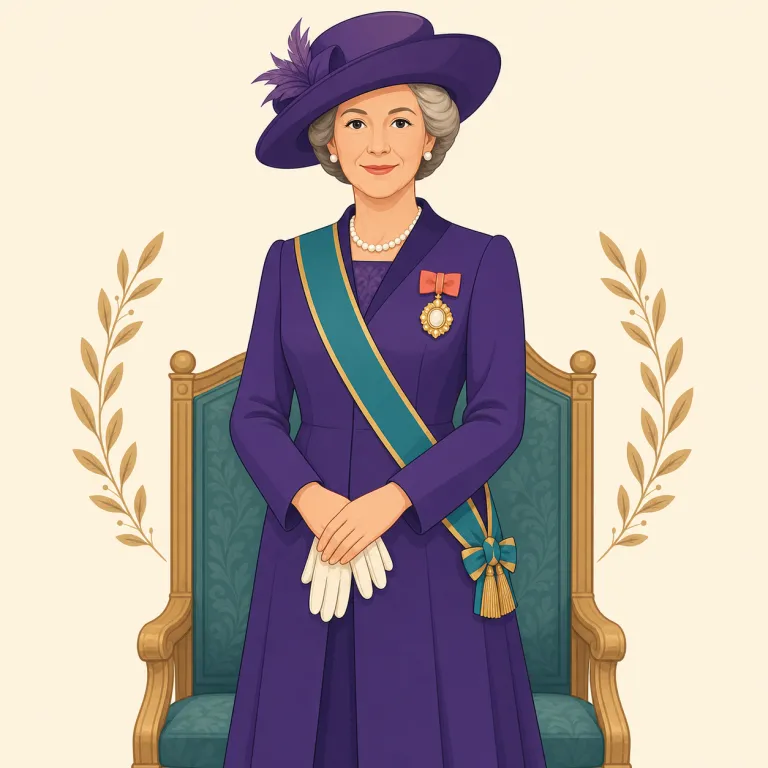
(英国の)女性勲爵士
解説 Definition
英国の叙勲制度で、ナイトに相当する勲位を授けられた女性を指します。正式な敬称として、通常は Dame Helen のように名の前に置かれます。単なる貴婦人や一般の女性を意味する語ではありません。
A dame is a woman who has received a British order of chivalry equivalent to a knighthood. Dame is also used as a formal title before her given name, in much the same way that Sir is used for a knight.
覚え方のコツ Memory Tip
英国で、男性のSirに相当する正式な女性の勲位・敬称がDame。Dame Helenのように、通常は姓だけでなく名またはフルネームの前に置く。一般の女性や上品な婦人を指す語としてではなく、功績を認められて勲位を授けられた女性を呼ぶ場面と結び付ける。
Link Dame with Sir: both are formal British titles awarded through an order of chivalry. Before a given name, Dame identifies an honored woman rather than merely describing a dignified lady.
例文
Dame Helen addressed the audience after the ceremony.
デイム・ヘレンは式典後に聴衆へあいさつした。
She was appointed a Dame Commander for her services to education.
彼女は教育への貢献によりデイム・コマンダー勲爵士に叙された。
The actor was made a dame in the New Year Honours.
その俳優は新年叙勲でデイムの称号を授けられた。
(古風)婦人
(意味 2)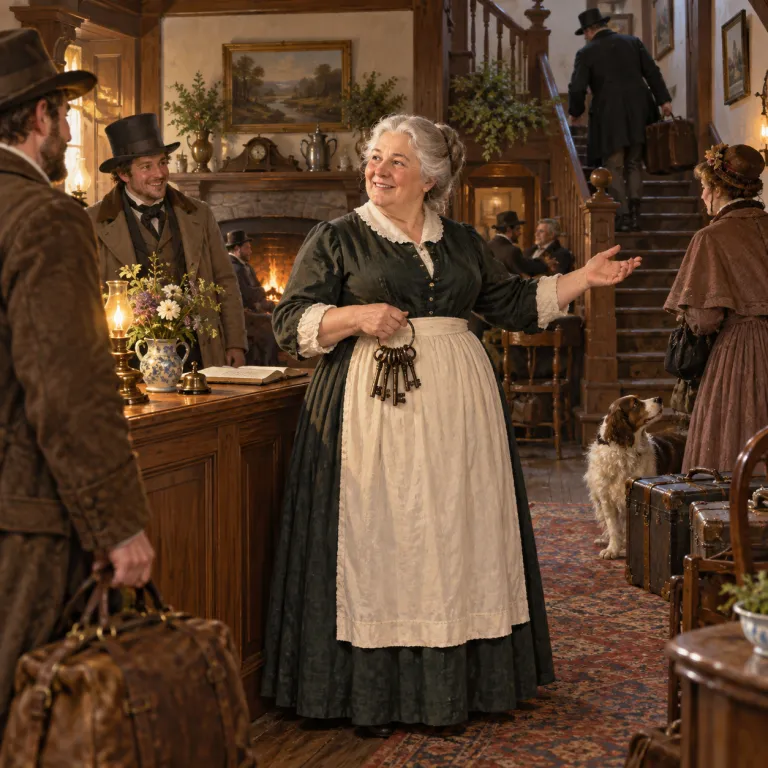
解説 Definition
女性、特に年配の婦人を指す古風な名詞です。物語や歴史的な文体、意図的に古めかしい表現で見られ、現代の日常語では文脈によって滑稽または無礼に響くことがあります。英国の正式な称号 Dame とは別の用法です。
A dame can be an old-fashioned word for a woman, especially an older woman. It occurs chiefly in literary, historical, or deliberately dated language and can sound humorous or disrespectful in modern everyday speech. This is distinct from the formal British title Dame.
覚え方のコツ Memory Tip
この dame は、物語や歴史的な文体で女性、特に年配の婦人を指す古風な語である。宿屋の老婦人や、下宿屋を取り仕切る威厳ある婦人の姿と結び付けよう。現代の日常会話では滑稽または無礼に響く場合があり、英国の正式な称号 Dame とは区別する。
Picture an old story using dame where modern English would usually say woman or lady. An old dame is a woman; Dame followed by a given name is more likely the formal British title.
例文
The old dame at the inn knew every local legend.
宿屋の老婦人は地元の伝説をすべて知っていた。
In the comedy, a formidable dame runs the boarding house.
その喜劇では、威厳のある婦人が下宿屋を切り盛りしている。
He spoke fondly of the kindly dame who had sheltered him as a child.
彼は子供のころ自分をかくまってくれた親切な婦人について懐かしそうに語った。
dame の類義語・関連語
dame の語源・成り立ち Etymology
dame は古フランス語 dame「婦人、女主人」を経て、ラテン語 domina「女主人」に由来します。敬称や身分を表す用法が発達し、現代英国では女性に授けられる勲位とその正式な敬称になりました。
Dame entered English through Old French dame, meaning “lady” or “mistress,” from Latin domina, “mistress of a household.” Its use as a term of rank and respect eventually developed into the formal British title awarded to women in orders of chivalry.
同じレベルの語彙をもっと
外部辞書で調べる
この英単語をクイズで覚えよう