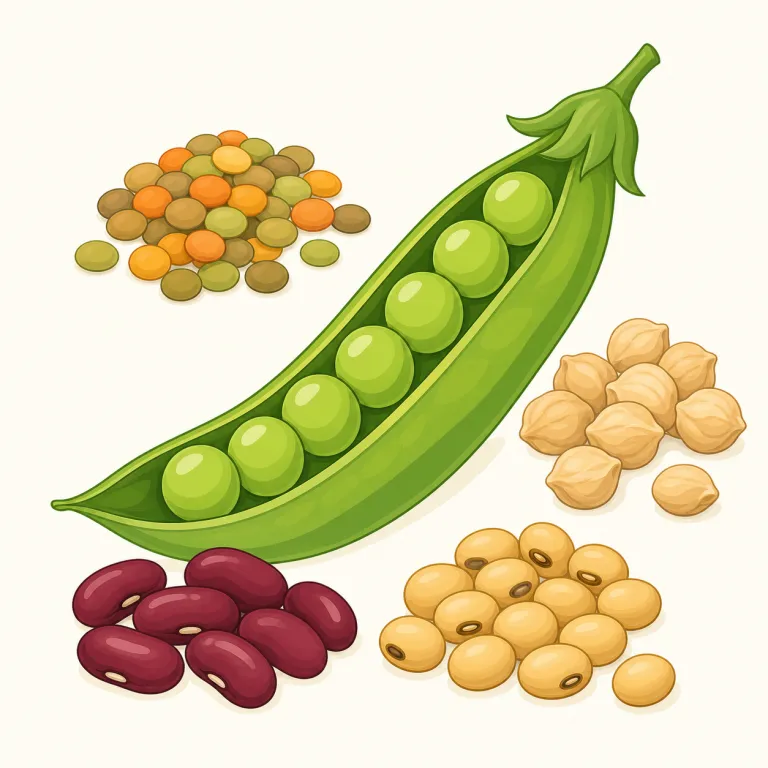
マメ科植物
解説 Definition
legumeは、豆類やえんどう豆などのマメ科に属する植物です。栄養価が高く、タンパク質が豊富な食品としても知られています。
A legume is a plant in the bean family, such as a bean, pea, lentil, or peanut. The word can also refer to the edible seeds or pods of these plants. It is common in farming, cooking, and nutrition.
覚え方のコツ Memory Tip
bean(豆)を知っていれば、その仲間を少しかたい言い方でまとめた語がlegume。会話ではbeans, peas, lentilsのように個別名で出ることが多く、legumeは栄養・料理・農業の記事で「豆類全般」「マメ科植物」というラベルとして現れやすい。vegetableよりかなり範囲が狭く、peaやsoybeanを含むグループ名だと押さえると定着しやすい。rich in protein, grow legumes, legumes like beans and peas も一緒に覚えると使い所が見える。
Think of `legume` as the group word for beans, peas, and lentils. In everyday speech, people often name the specific food, but in health or farming texts, `legume` is the label for the whole family. Remember common phrases like `rich in protein` and `legumes like beans and peas`.
例文
Legumes such as beans, lentils, and peas are excellent sources of protein for vegetarians.
豆、レンズ豆、エンドウ豆などの豆類は、ベジタリアンにとって優れたタンパク源である。
Farmers often rotate legume crops with other crops to improve soil nitrogen content.
農家は土壌の窒素含有量を高めるために、マメ科作物を他の作物と輪作することが多い。
Adding legumes to your diet can help reduce cholesterol levels.
食事に豆類を加えると、コレステロール値を下げるのに役立つことがある。
legume の類義語・関連語
類義語
legume の語源・成り立ち Etymology
legume はラテン語 legumen「さやの作物」に由来し、さらに leg-「集める」にさかのぼる。-men は名詞語尾で、豆がさやから「採り集められるもの」という感覚がある。collect や select も同じ語根で、意味の芯は「集める・選ぶ」。
Legume comes from Latin legumen, meaning a pod plant or pulse. It is related to a root meaning "to gather" or "pick," with the idea of something collected from the pod. Over time, the word became the general name for this group of plants. English words like collect and select come from the same deeper root.
同じレベルの英単語をもっと
外部辞書で調べる
この単語を英単語クイズで覚えよう